
If you’re hoping to see owls, late winter to early spring—think February and March—usually gives you the best shot. That’s when owls get loud, calling out to attract mates and claim territory.
You’ll have a much better chance of spotting or hearing owls during this season since they stay busy almost all day and night.
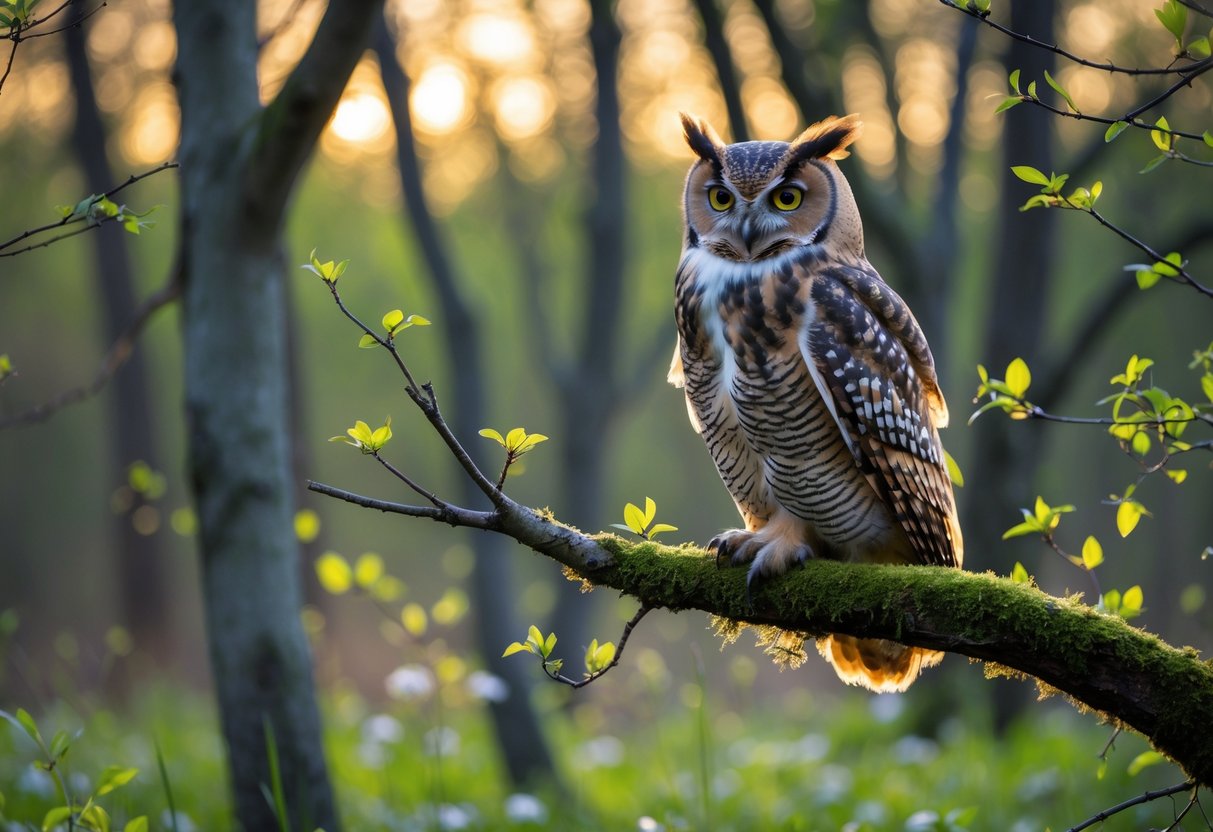
Owls tend to keep to themselves and stay quiet through most of the year, but late winter changes things. Their calls fill the woods, giving you a real shot at finding where they live.
Normally, owls get active at dusk and dawn. When breeding season hits, though, you might catch them out even more, making them easier to notice.
Whether you’re in the city or out in the woods, knowing when the owls are calling can really help you plan. If you’re looking for tips on spotting owls or learning their calls, stick around.
Best Times of Year to See Owls
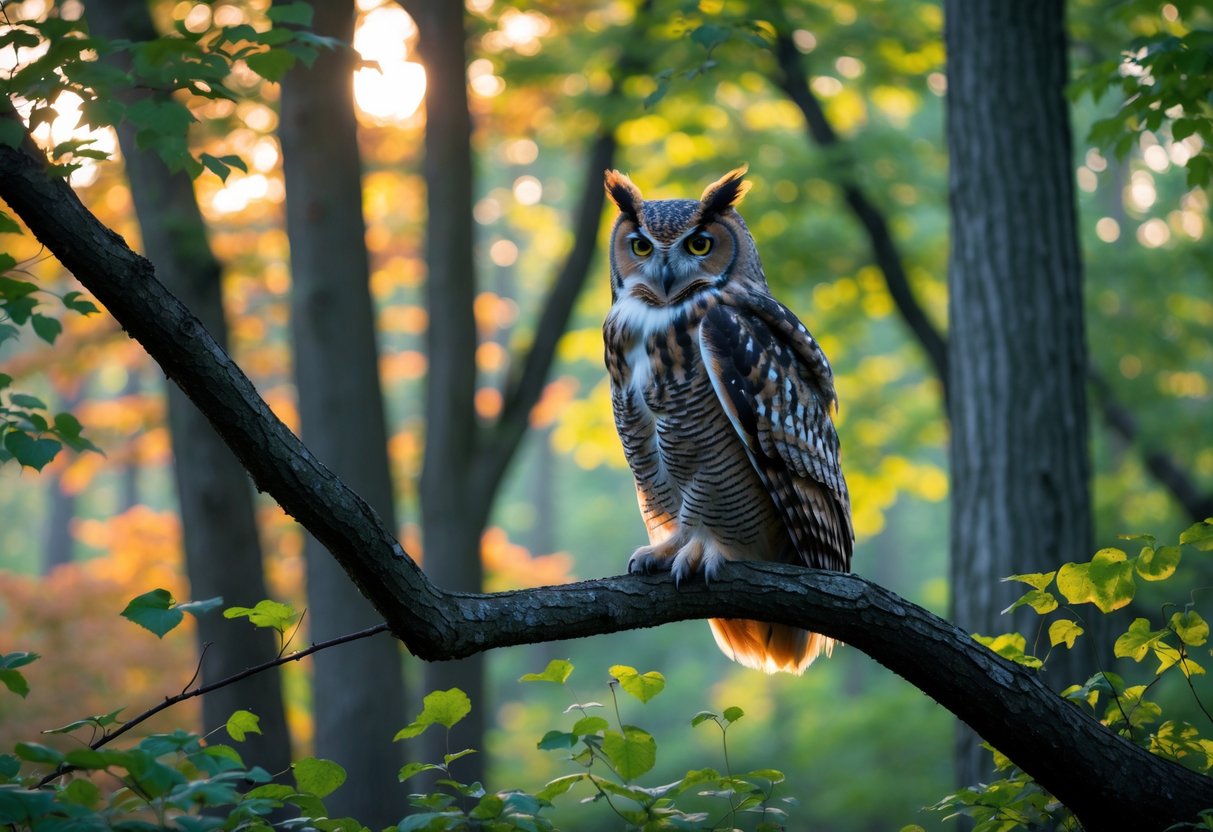
If you want to spot owls, pay attention to the months when they get more vocal and active. Some owls call out to attract mates or defend their turf, and this changes with the seasons.
Winter, especially late January and February, makes it easier to hear and see owls like the great horned owl (Bubo virginianus).
Winter Owl Watching Opportunities
Winter really opens up owl watching. Owls stay active and vocal as they look for mates and protect their homes.
With the trees bare, you can spot them more easily. Calls carry farther on cold nights, too.
Great horned owls hunt in winter, trying to feed themselves and their chicks. Head out at dusk or dawn for your best chance—they’re usually hunting then.
If you listen quietly for their calls, you can track down their location. Try looking near forest edges or open fields in winter.
You might catch a glimpse of their silent flight as they hunt for prey in the snow.
Late January and February Activity
Late January and February bring a burst of owl activity. Many species, especially the great horned owl, start their mating calls.
Their “who, who, who-who” call rings out more often as they claim territory or look for partners. In February, owls hunt more to feed their mates or eggs.
This keeps them on the move at dawn and dusk, so spotting them gets easier. If you’re new to owl watching, this is a great time since calls get louder and more frequent.
Learning a few owl calls can really help you figure out which species you’re hearing.
How Seasonal Changes Affect Owl Behavior
Seasonal shifts affect how owls act. In the colder months, you’ll notice owls get louder to attract mates.
They stay active all winter, unlike some animals that slow down or hibernate. In spring and summer, owls focus on raising their young and get quieter.
Hunting shifts toward feeding their chicks. When fall arrives, owls may switch hunting spots as their prey moves around.
Winter brings clear skies and fewer leaves, making it much easier to spot owls. If you understand these patterns, you’ll know when and where to go for your next owl-watching trip.
For more on owl behavior, check out late winter owling season insights.
Notable Owl Species and Their Peak Seasons
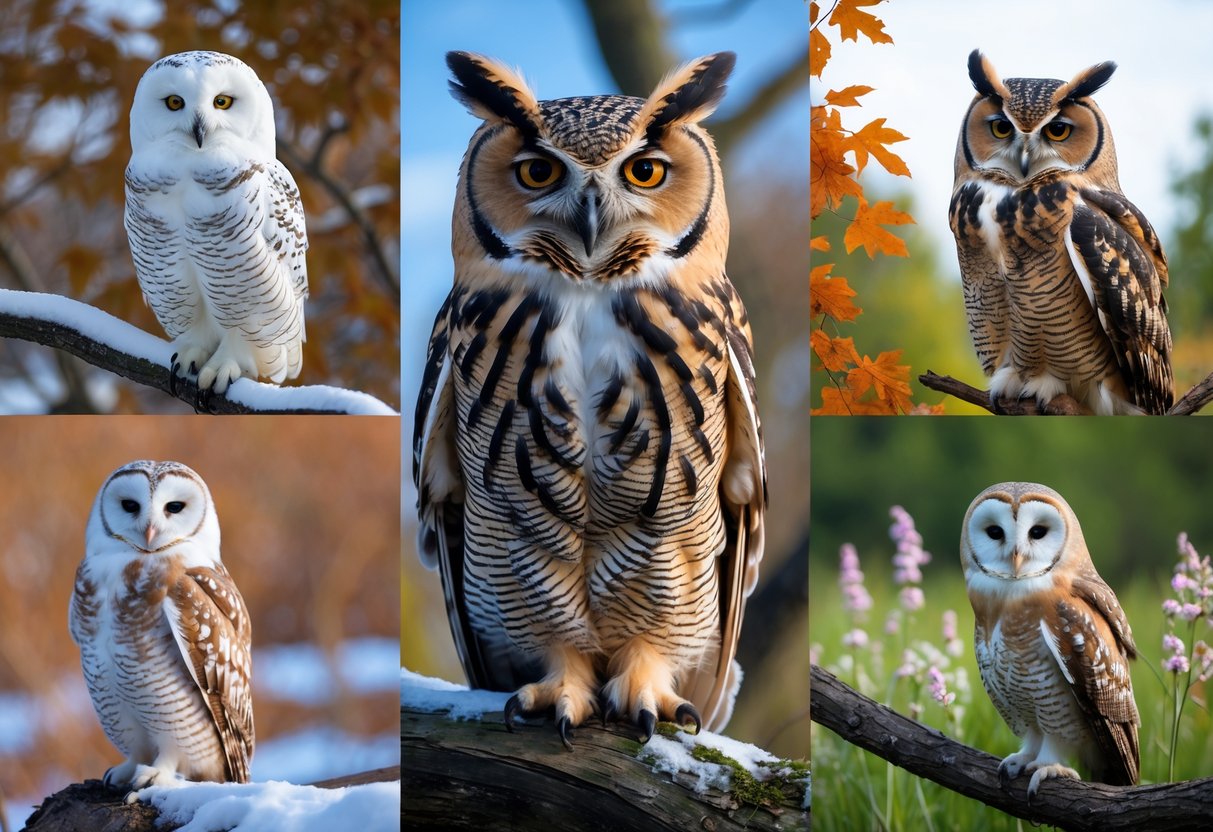
You’ll spot certain owls more easily at specific times of the year. Some stick to one area all year, while others move around depending on food and weather.
Their activity shifts between day and night, too.
Barred Owl Seasonal Patterns
Barred Owls (Strix varia) get more active in cooler months. You’ll see them start their nesting behavior by January.
In winter, they settle into mature forests near water, often choosing older neighborhoods or parks with big trees. During the day, they roost quietly, but when dusk falls, they get chatty.
You might hear their call—sounds a bit like “who-cooks-for-you.” Since they rarely migrate, winter gives you a good shot at spotting them.
Look for white droppings on tree trunks or pellets on the ground. If you notice noisy birds in the area, they might be mobbing a Barred Owl to warn others.
Snowy Owl Sightings and Migration
Snowy Owls usually stick to the north, but sometimes they head south in winter. If you’re hoping to see one, check out airports, beaches, or open fields during colder months, especially up north in the U.S.
Unlike most owls, Snowy Owls often hunt during the day. Their bright white feathers make them stand out.
You might spot them perched on lampposts or fences. Some winters, called irruption years, these owls show up much farther south than usual.
If you follow a project like Project SNOWstorm, you can track their movements. Winter’s definitely the season to try your luck with Snowy Owls.
Differences in Daytime and Nighttime Activity
Most owls, like Barred Owls, come alive around dusk, night, or just before sunrise. You might hear them hunting or calling out during those hours.
During the day, they usually pick a quiet roost in the trees and just hang out, barely making a sound. They’re pretty good at hiding, honestly.
Snowy Owls don’t really follow those rules. They actually hunt in broad daylight, so spotting one during the day isn’t that rare.
If you want to look for owls while the sun’s up, try to give them space and let them rest. No need to get too close.
Sometimes, other birds give away an owl’s hiding spot. Songbirds will scold or mob an owl they find during the day, so their noisy fuss can lead you right to a hidden owl.


