
Ever had an owl just lock eyes with you and wondered what’s going on? Owls have razor-sharp vision and, honestly, a pretty strong sense of curiosity.
When they fix their gaze on you, they’ve probably noticed your movement or presence. They stare to keep tabs on what’s happening around them, sometimes sizing you up as a possible threat—or maybe just trying to figure out if you’re interesting or harmless.
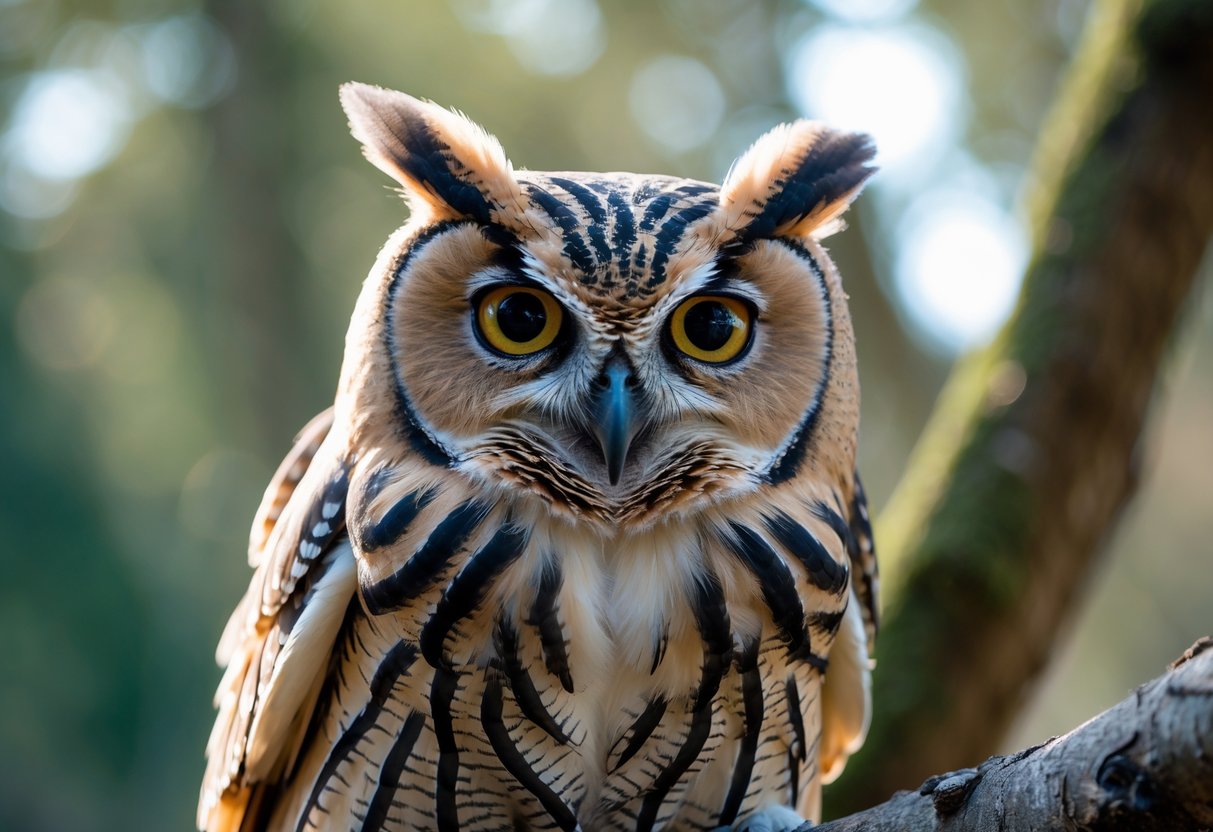
Owls don’t stare to freak you out—they’re just paying close attention, using those crazy-good eyes to take in the scene. If you catch an owl following your gaze, it’s probably just curious or maybe a bit protective of its territory.
Knowing this might help you feel a bit more connected the next time you cross paths with one of these mysterious birds.
Sometimes people think an owl’s stare carries deeper meanings in stories or cultures. But honestly, out in nature, it’s mostly about staying aware and watching what’s moving nearby.
Curious about why owls fix their gaze on people? Let’s dig into what’s really behind that intense stare.
Why Do Owls Stare at You?

Owls stare at you for a few clear reasons that tie back to how they see, hunt, and react to what’s around them.
Their eyes and body language can give you a hint about what’s going on in their heads.
Owl Vision and Forward-Facing Eyes
Owls have these big, forward-facing eyes that give them excellent binocular vision.
Their eyes work together, creating a 3-D view that helps them judge distances.
When an owl looks at you, it often feels like it’s staring right through you. That’s partly because their eyes barely move—they’re pretty much locked in place.
To look around, owls swivel their heads up to 270 degrees. That’s how species like the great horned owl can scan for prey like voles and mice.
Their huge eyes also let them see well at night. So sometimes, an owl stares just to keep tabs on what’s moving nearby.
Predatory Behavior and Hunting Instincts
Owls use their stare to size up whether something’s food or a possible threat.
They mostly hunt small animals like mice and voles, and that intense gaze helps them zero in.
Their vision and hearing work together, making it easier to spot tiny movements even in low light.
If you see a great horned owl staring, it might be getting ready to swoop down. The stare helps it pinpoint exactly where prey is hiding.
It’s just how they operate—careful, skilled, and always watching before making a move.
Signs of Curiosity or Stress in Owls
Sometimes, owls stare just because they’re curious about you or something else in their environment.
They’re smart birds, and they’ll check out anything new or unusual.
If an owl suddenly looks away or seems restless, it’s probably feeling stressed. That usually happens if you get too close to its nest or hunting spot.
If you notice an owl turning its head quickly or flying off, it’s likely uncomfortable or ready to leave.
A calm, steady stare usually means the owl’s just curious or alert, not aggressive. Picking up on these signals can help you understand what the owl’s feeling when it looks your way.
If you want more details on how owl eyes work, check out this in-depth article about owl eyes.
Owl Stares: Species Differences, Symbolism, and Human Encounters

When an owl stares at you, it might be trying to figure out what you are, send a message, or just observe.
Different owl species act in their own unique ways and play all sorts of roles in stories and myths. Their hunting habits, especially how they watch prey like mice and voles, explain why they focus so hard.
Differences Among Major Owl Species
Owls come in all sizes and have different hunting styles, which affects how and why they stare.
The great horned owl, one of the most common in North America, stares with serious focus because it hunts bigger prey and needs sharp vision to spot movement.
Barn owls look pretty different—they’ve got a heart-shaped face and huge eyes that help them see in the dark.
Their stare is usually about finding tiny sounds from mice or voles, not really about you.
Smaller owls like screech owls rely on sharp eyes and ears to track prey quietly.
So if you feel stared at by an owl, it’s probably just sizing up its surroundings. This careful behavior helps owls survive and hunt.
Cultural and Mythological Meanings
In a lot of cultures, an owl’s stare means something deeper.
In Greek mythology, people connected owls to Athena, symbolizing wisdom. If an owl looked at you, it was thought to offer insight or knowledge.
Many Native American tribes saw owls as protectors and guides, especially during big changes in life. Their stare could mean you’re being watched over or warned about something ahead.
Other cultures link owls to mystery, death, or secrets. So, an owl’s gaze might feel a little spooky, but maybe it’s just asking you to notice things you’d otherwise miss.
Owls and Their Prey: Mice, Voles, and More
Owls stare so intensely because they hunt quick, quiet animals like mice and voles. Their big eyes and fixed gaze help them spot these tiny creatures, even when it’s almost dark.
When they hunt, owls will suddenly freeze and stare at a spot where they hear or sense prey. They do this to judge distance and time their attack just right.
If you listen to the owl call, you might pick up clues about what it’s up to. Sometimes, if an owl stares near you, it probably noticed something small moving close by.
Honestly, it’s all about survival for them—not just curiosity or some mystical symbolism. If you see an owl watching closely, you’re witnessing a quiet, wild moment as it waits for food.


