
Ever wondered what owls munch on in the UK? Well, most of the time, you’ll find them going after small mammals—think voles, mice, and shrews. Barn owls, in particular, love these little critters the most.
Owls don’t stick to just one menu, though. They switch things up depending on what’s around in their habitat.
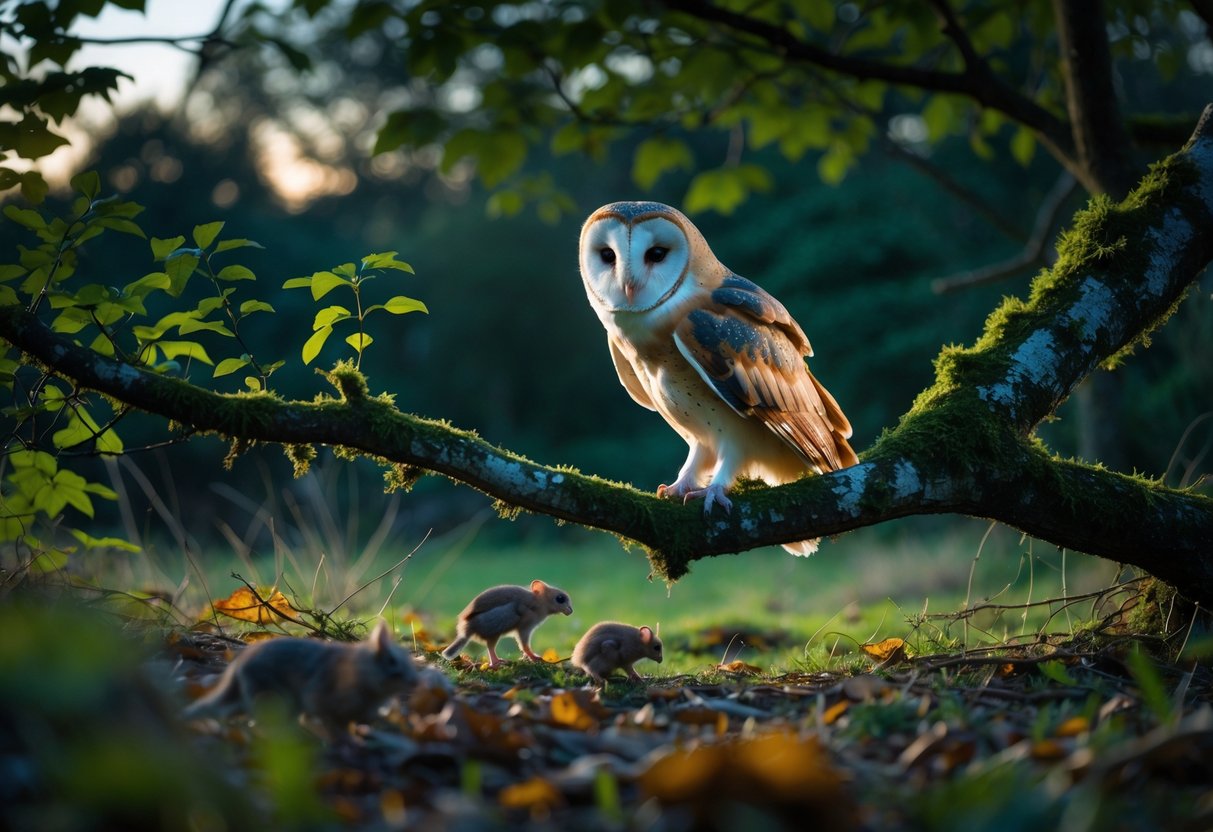
You might expect owls to snack on frogs or birds since you see those around too, but honestly, they rarely do. Instead, these birds use their sharp hunting skills to nab rodents in fields and woodlands.
That helps keep nature in balance—pretty handy, right? If you’re keen to dig deeper into who eats what and why, there’s a lot to learn about their favorite meals and quirky hunting habits.
Barn owls and other species survive by feeding on the small, often overlooked animals that hide underground or in tall grass. Figuring out what owls eat gives you a new appreciation for these impressive night hunters and the part they play in your local ecosystem.
If you want more details about barn owl diets and what other UK owls eat, you can check out the Barn Owl Trust.
Overview of Owl Diets in the UK
Watch owls in the UK for a while, and you’ll notice they mostly hunt small mammals—voles, mice, and shrews are top picks. These birds of prey change up their meals depending on the season and what’s actually available.
Common Prey Items
Most UK owls go after small mammals. Barn owls, for example, fill about 45% of their diet with field voles.
They also eat common shrews and wood mice, with some bank voles, brown rats, and house mice thrown in now and then.
Sometimes, a few species will eat insects, amphibians, or even small birds and bats, but that’s pretty rare. Owls swallow their prey whole and then cough up fur and bones later as pellets.
Role as Birds of Prey
Owls don’t mess around when they hunt. With sharp talons and crazy good hearing, they can catch prey even when it’s pitch black.
They help keep rodent populations down, which is a big win for farmers and the environment. Their silent flight lets them sneak up on prey without a sound.
You might even call owls nature’s pest controllers—they keep small mammal numbers in check.
Seasonal Dietary Changes
Owls don’t always eat the same thing year-round. In winter, voles can be tough to find, so owls might hunt more mice or shrews instead.
Bad weather—like heavy rain or snow—can make hunting harder. During breeding season, adult owls have to work overtime to feed themselves and their chicks.
They might catch three or four prey items a night, sometimes even more. Their diet has to support their growing family through the year.
If you’re curious about what else owls hunt, you can check out this Barn Owl hunting and feeding page.
Diet by Owl Species in the UK
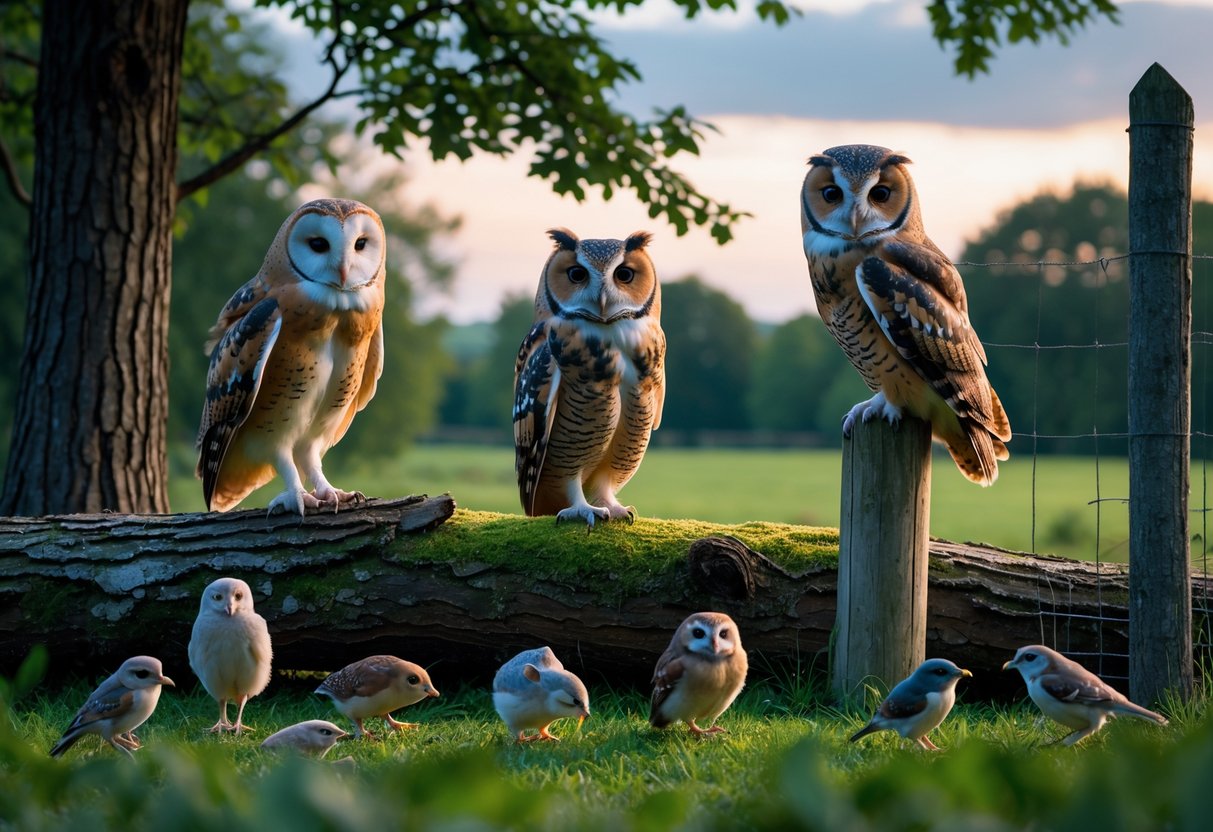
Different UK owl species have their own eating habits. It mostly depends on their size, hunting style, and where they live.
Most owls prefer small mammals, but some will go for birds or insects if they’re around. Their local environment really shapes what ends up on their menu.
Barn Owl: Typical Prey and Feeding Habits
Barn owls (Tyto alba) usually hunt field voles, wood mice, shrews, and sometimes rats. You might catch a glimpse of them gliding low over farmland or hedgerows at dusk or dawn.
Their hearing is so good they can find prey hidden under grass or even snow. Barn owls often nest in barns or old buildings.
If food gets scarce, barn owl chicks might even eat their siblings. They rarely eat birds, though sometimes they’ll catch a small one.
If you want more info on barn owl feeding, check out the Barn Owl Trust.
Tawny Owl: Hunting Strategies and Foods
Tawny owls are classic woodland hunters in the UK. They like to perch and wait before swooping down on prey.
You’ve probably heard their famous “twit twoo” call at night. Tawny owls mainly eat small mammals like bank voles, wood mice, and shrews.
They’ll also eat small birds, insects, and amphibians if they find them. Unlike barn owls, tawny owls stick to hunting after dark.
These owls can change up their diet if they need to, sometimes even eating carrion like dead rats or hares. You can read more about their diet at Woodland Trust.
Short-Eared Owl and Other UK Species
Short-eared owls live in open moorland and grassland and usually nest on the ground. Field voles make up the bulk of their diet—sometimes up to 80%.
Unlike barn and tawny owls, short-eared owls often hunt during the day. You might spot them flying low over fields, searching for prey.
Little owls eat mostly insects, earthworms, and small mammals. Eagle owls, which are rare in the UK, can take down bigger prey like rabbits or even young birds.
Influence of Habitat on Diet
Where an owl lives really shapes what it eats. In farmlands, barn owls hunt voles and mice out in the fields.
Woodlands give tawny owls a shot at more small mammals and birds. Grassland and moorland habitats let short-eared owls focus on catching mostly voles.
Urban areas mix things up, since owls there might go after pigeons or rats instead. If you pay attention to the habitat, you can usually guess what owls are hunting nearby.
Check out this link to see just how varied owl diets get across Europe and Asia.


