
Spotting an owl in broad daylight can really throw you off, right? Most folks expect owls to keep to the night. When you see one out and about during the day, chances are it’s hunting because it’s hungry or maybe it has chicks nearby that need feeding. Sometimes, when food gets tough to find, owls just can’t stick to their usual schedule.
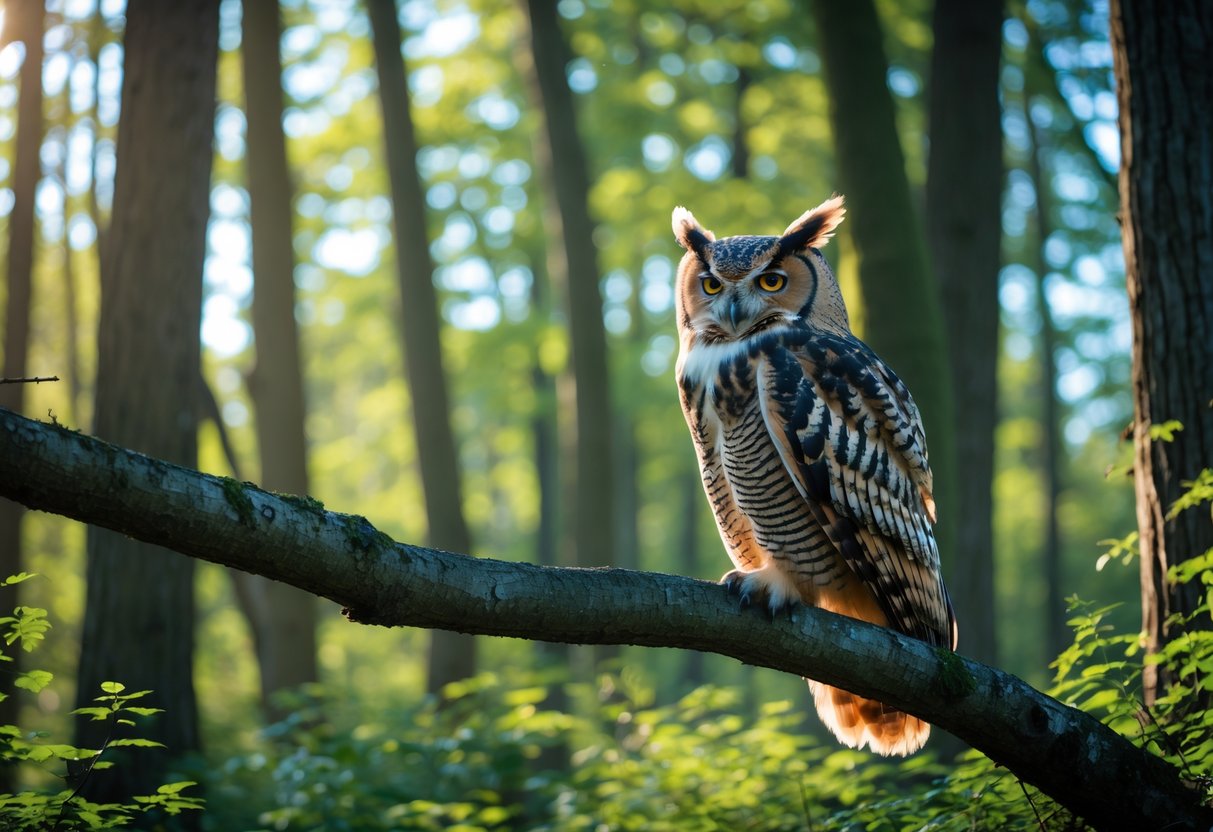
People have all sorts of ideas about what it means to see an owl in the daytime. Some say it’s a sign of change or maybe a nudge toward wisdom or guidance. Whether you’re just into wildlife or you’re the type who wonders about signs and symbols, catching an owl in daylight feels like something special.
Curious about why owls show up in the sun and what it might mean? Let’s dig into the facts and some of the stories behind this rare sight.
What It Means to See an Owl During the Day

You might feel surprised if you catch an owl in the daytime. Most people think of owls as night hunters, but sometimes they just show up in the daylight. It really depends on the owl’s habits and what’s going on around it.
Normal Behavior vs. Unusual Sightings
Most owls spend their nights hunting. Still, some species prefer dawn, dusk, or even broad daylight. If you see an owl in the day, it might just be resting or grabbing a quick meal.
Now and then, you’ll notice a night owl out more than usual in the day. That could mean it’s stressed, maybe injured, or feeding chicks. Urban owls sometimes change up their routines, too.
Reasons Owls Are Active in Daylight
Owls might come out in daylight for a few reasons:
- Hunting needs: Owls like the great horned owl will hunt during the day if food is hard to find.
- Protecting young: If there are chicks in the nest, parents might hunt extra hours.
- Disturbance: Loud noises or nearby threats can push an owl out of hiding.
- Seasonal changes: Long summer days sometimes shift when owls are active.
Sometimes you’ll hear an owl hoot when the sun’s up. That’s not always strange—barred owls, for example, might call during cloudy days, especially in woods or swamps.
Species of Owls Commonly Seen During the Day
Not every owl hides from daylight. Here are a few you could bump into:
| Owl Species | Daytime Activity | Notes |
|---|---|---|
| Great Horned Owl | Hunts day and night | Most common large owl in North America |
| Burrowing Owl | Mainly active in daylight | Often found in open fields and deserts |
| Northern Hawk Owl | Strictly diurnal (day owl) | Hunts mostly in daylight |
| Barred Owl | Occasionally active in daylight | Known for daytime hoots |
The great horned owl (Bubo virginianus) stands out as one you’ll likely see in the day. If you spot one, it’s probably just sticking to its usual hunting style.
Daytime Owl Behavior and Survival
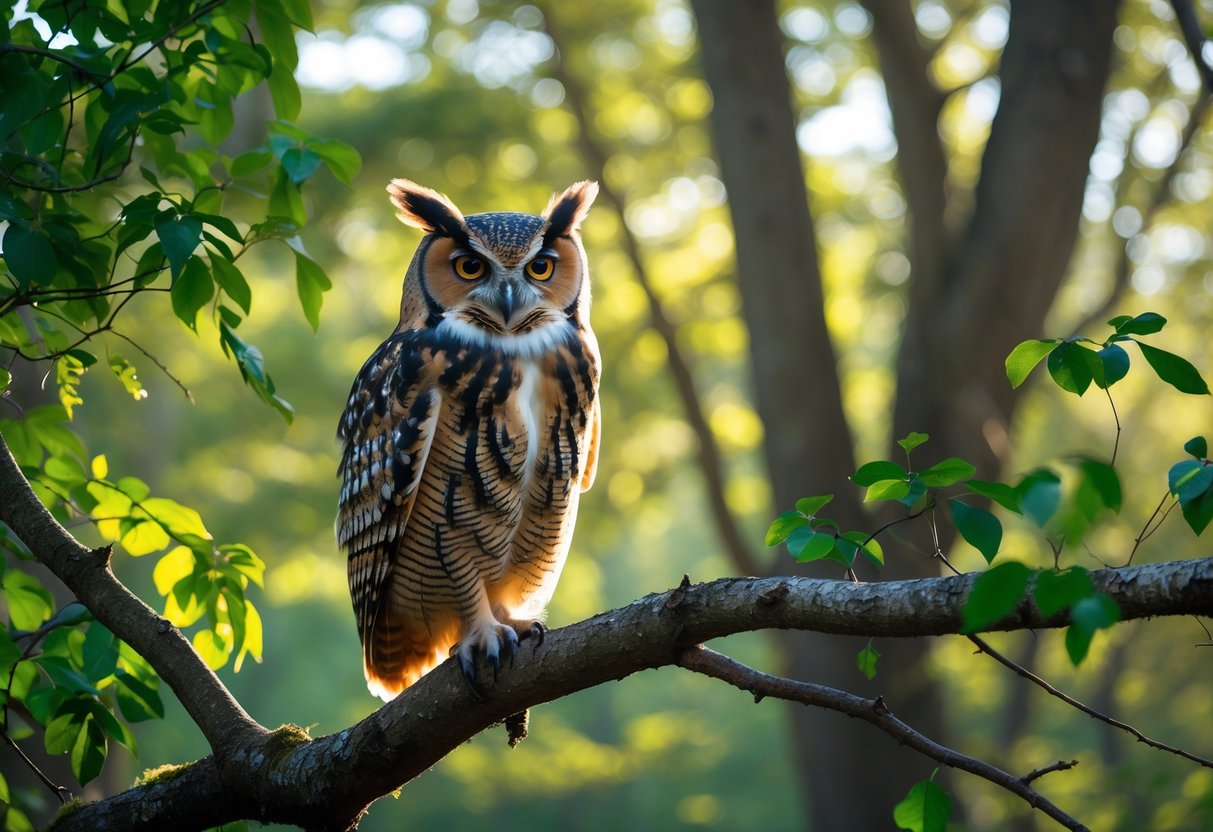
Owls that move around during the day show some pretty interesting habits. They spend their time hunting, dodging danger, and dealing with other owls. Watching them can tell you a lot about how they survive in daylight.
Prey and Feeding Patterns in Daylight
When great horned owls hunt in the day, they go after animals that are also up and moving. Mice and rats are easy targets. These owls rely on sharp eyes and almost silent wings to sneak up on their prey.
Daytime hunting lets them grab extra meals if nighttime pickings run low. You’ll often find them on the edges of forests, in fields, or near farms—pretty much anywhere rodents hang out. Their hearing helps them track down prey hidden in the grass.
Risks and Challenges Facing Daytime Owls
Being out in the day isn’t always safe. Owls have to watch for hawks, eagles, and sometimes even people. They blend into their surroundings and stay still to keep out of sight.
If an owl like the great horned owl gets too close to another’s territory, things can get tense. Fights over hunting spots or nests can break out, making daytime life a bit risky.
How to Respond to a Daytime Owl Encounter
So, you spot an owl in broad daylight? First, try to stay calm and keep quiet. Sudden moves or loud sounds can easily startle the bird.
Just give the owl some space. That way, it feels safe enough to keep up its hunting or nesting routine.
If you want a closer look, grab some binoculars and watch from afar. Daytime owl sightings don’t happen all the time—most of these birds tuck themselves away when the sun’s out.
Respect their space, and you might just get a rare glimpse of these fascinating creatures doing their thing. It’s kind of magical if you ask me.
For more detailed information, check this article about owls coming out during the day.


