
Owls have fascinated people for ages and pop up in all sorts of stories and traditions. You might spot them on logos, in art, or maybe even in your dreams.
But what do owls really mean? Most folks see owls as symbols of wisdom, intuition, and guidance.
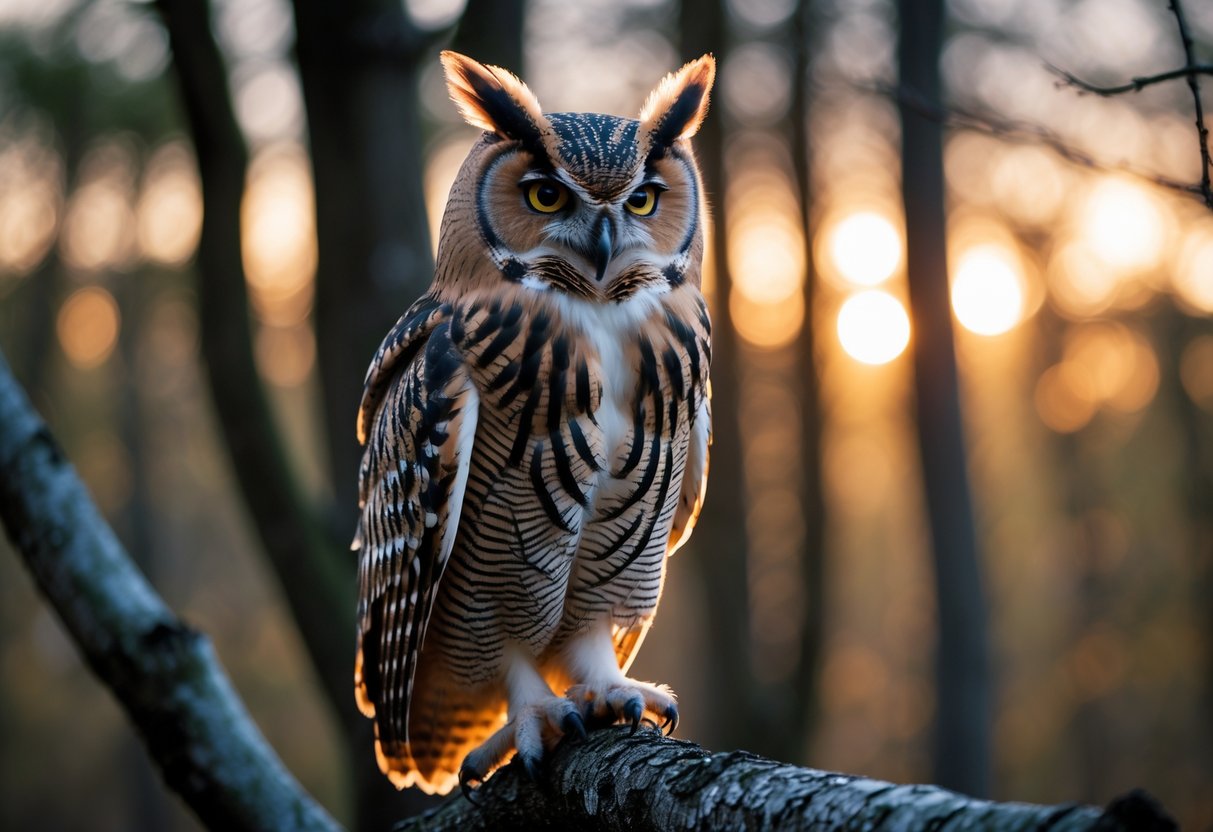
Sometimes, owls stand for mystery or transformation, and in some cultures, they’re even seen as warnings. They nudge you to trust your instincts and notice things that aren’t obvious at first glance.
Their silent flight and sharp senses give them an air of deep knowledge and protection.
If you see an owl or its image, maybe it’s a hint to look a little deeper into your own wisdom or to notice changes happening around you. Getting what owls mean can actually offer fresh insight into your choices and daily life.
Curious for more? Here’s an article on owl spiritual meaning.
Symbolic Meanings of Owls in Culture and Nature

People have woven owls into their stories for centuries. Folks admire their silent wings and sharp ears.
These traits have turned owls into powerful symbols in cultures all over the world.
Wisdom and Intuition
It’s pretty common knowledge that owls stand for wisdom. Their knack for seeing in the dark and moving without a sound gives them a vibe of insight and knowing.
That’s why so many people link them to intuition—kind of like an inner guide that helps when things aren’t clear.
Across cultures, owls and knowledge go hand in hand. The ancient Greeks, for example, paired owls with Athena, their goddess of wisdom.
With those big, watchful eyes and a calm stare, it just makes sense that owls represent smart choices and clear thinking.
Since owls can spot what hides in the dark, they remind you to notice details others might miss. That’s handy when you need to trust your gut during tough calls.
Omens and Spiritual Messengers
People have seen owls as messengers from the spiritual world for ages. In some places, seeing an owl might mean a message is coming your way or that it’s time to pay attention to change.
Not every owl sighting means the same thing. Some cultures see them as lucky or protective, while others connect them with warnings or even death.
It really depends on your background and what you’ve heard growing up.
Because owls are creatures of the night, they often stand for things that are hidden or mysterious. They might guide you through unknown territory or tip you off to secrets you should notice.
Protection and Mystery
Owls have a reputation for protection, mostly because they’re skilled hunters. Their quiet wings and sharp talons let them guard their nests from danger.
This gives people a feeling of safety when they think about owls.
But there’s also something mysterious about them. The way they move at night, their eerie calls, and that silent presence—there’s just a touch of magic there.
It makes you wonder what’s out there in the dark, or what you might discover if you dig a little deeper.
When you picture an owl, you might imagine a watcher in the shadows—quiet, strong, and maybe hiding more than it shows.
For more on what owls mean, check out this page about the owl’s spiritual meaning.
Owls in the Bible and Ancient Texts

Ancient texts mention owls as symbols with some pretty tough qualities. You’ll find them in stories about unclean animals, loneliness, and empty places.
Writers used owls to describe sadness, ruin, and sometimes judgment.
Old Testament References
The Old Testament actually mentions a bunch of different owls—horned owl, screech owl, great owl, white owl, and desert owl. These birds show up in stories about ruined cities or places left behind.
Take Isaiah and Jeremiah, for example. They talk about owls living in deserted ruins, which signals that those places are abandoned.
When you read these old stories, you’ll see that owls stand for emptiness and destruction.
Symbolism of Unclean Birds
Ancient Israelite law considered owls unclean birds. In Leviticus (11:13–18), owls appear on the list of birds you shouldn’t eat, along with hawks, vultures, and ravens.
The reason? Owls are hunters that eat animals with blood, and Mosaic Law forbids that.
So, in those old customs, owls came to stand for things that were impure or off-limits.
Loneliness and Desolation Imagery
People often use owls to represent loneliness, desolation, and mourning in biblical poetry.
In Psalm 102, the writer says their sadness feels like being an owl, just sitting alone among ruins.
Micah and some other prophets talk about the owl’s call as a mournful sound tied to deep sorrow.
You can almost hear the owl’s cry—a sound that just echoes through empty, forgotten places in these old stories.
For more detail, see this page on owls in the Bible and their meaning.


