
Ever wondered if owls might actually call your garden home? Owls can choose your garden for nesting if you give them the right environment and some shelter.
They love quiet spots with trees or nesting boxes, plus a steady food supply—think mice or insects.
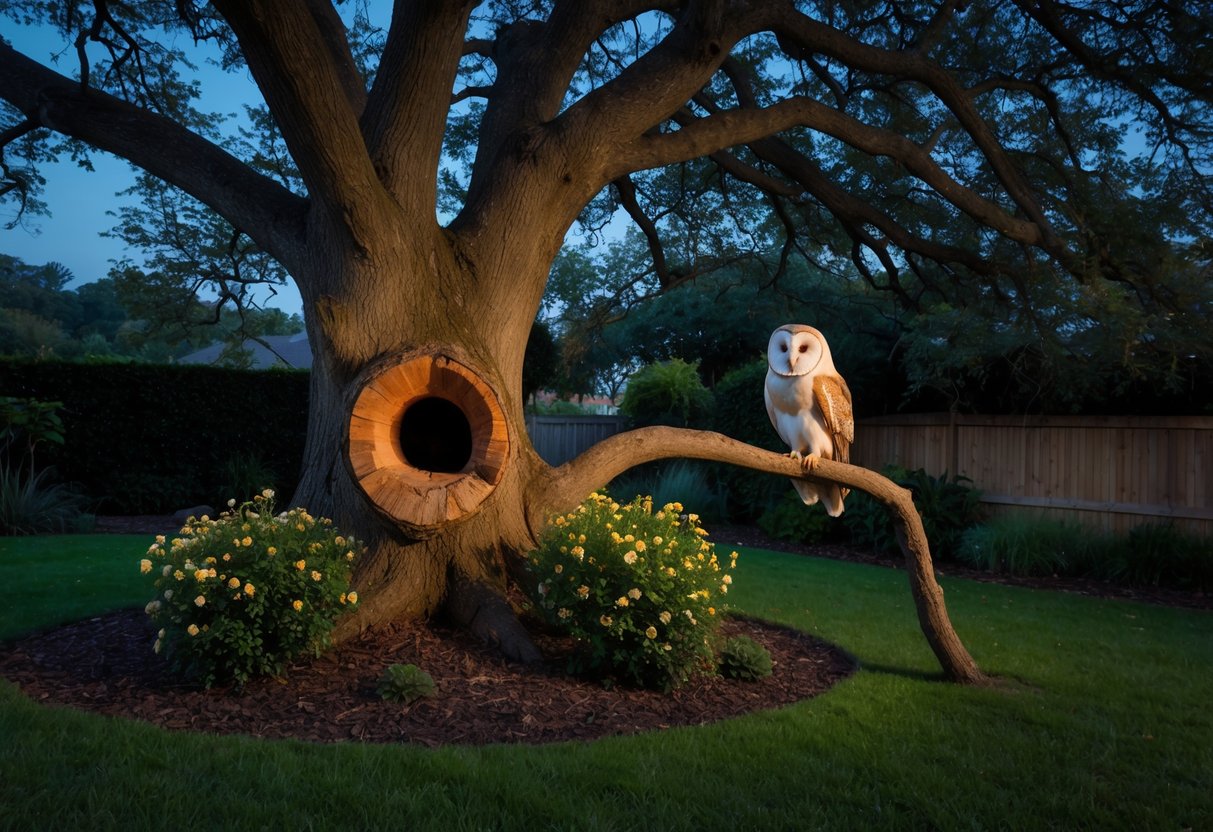
Attracting owls takes some effort, but honestly, it’s worth it. When you give them safe hiding places during the day and skip poisons that mess up their food supply, you might just convince these mysterious birds to stick around.
If you’re into wildlife watching, owls bring something special to the yard.
Learning what owls want for nesting helps you turn your garden into a good spot for them.
You’ll figure out how to make shelter and encourage small critters that owls hunt, which brings your garden to life after dark.
Will Owls Choose to Nest in Your Garden?

Owls search for quiet places with plenty of food and safe spots to rest or raise their young.
Your garden can become a home if you offer shelter, prey, and a safe nesting area.
It helps to know which owls visit gardens and how the seasons change their nesting habits.
Garden Features That Attract Owls
Owls want gardens with trees and thick cover for daytime hiding. Evergreen trees like pine or spruce give shelter year-round.
Leaving dead trees or branches standing helps too, since owls use natural holes or cavities.
You’ll need to support a good food supply. Owls hunt rodents such as mice and voles, so wild corners or rough grass help attract small animals.
Skip rodenticides and insecticides—those poisons can hurt owls or wipe out their food.
Nest boxes can bring in certain owls, especially screech owls that use cavities to nest.
Hang boxes about 10 feet up in a shady spot, away from predators.
Common Owl Species Found in Gardens
Different owls like different setups. Eastern screech owls show up in many backyards east of the Rockies.
They use small tree cavities or nest boxes.
Barn owls hunt over rough grass and sometimes use open barns or nest boxes near fields.
They mostly eat rodents, so a garden with lots of mice or voles is appealing.
Great horned owls go for big nests built by other birds or natural tree hollows.
They usually skip nest boxes, but if your garden has large trees and quiet corners, you might spot one.
Seasonal Nesting Behaviors of Owls
Most owls start nesting in early spring. Eggs usually appear from late winter to spring.
You might see them checking out nesting spots in late winter.
Screech owls begin earlier than the bigger owls.
Barn owls and barred owls also nest in spring, but they may rest or roost in different places during the colder months.
Owls need a safe place to raise their young until the chicks can hunt.
Keeping cats indoors and avoiding pesticides helps owls during this important time.
How to Encourage Successful Owl Nesting

You can turn your garden into a welcoming spot for owls by giving them safe nesting places, picking the right owl box, keeping it tidy, and supporting their food supply.
Paying attention to these things makes it more likely owls will stick around and raise their young.
Building and Placing an Owl Box
Start with a solid nesting box made from untreated wood.
The box should be about 18 by 18 inches and at least 12 inches deep—this size works for most owls, including barn owls.
Skip metal or plastic boxes since those can get way too hot or cold.
Mount your owl box 12 to 15 feet high on a strong tree or post.
Face the entrance hole east or south, not straight east or west, to avoid strong winds and harsh sunlight.
Put the box near trees or shrubs for extra shelter and close to open hunting areas like fields or gardens.
Choosing the Right Nesting Box for Owls
Different owls want different boxes. Barn owls, for example, need barn owl boxes—they’re bigger and deeper, with a wide opening.
Pick boxes with ventilation holes and a removable panel for easy cleaning.
Don’t add perches outside the entrance; owls like to land inside first.
A smooth interior with no sharp edges keeps young owls safe.
The box should be waterproof and insulated so temperatures stay steady.
If you want barn owls, use boxes made just for them—their needs really are different from other owls.
Best Practices for Owl Box Maintenance
Check your nesting boxes once a year, ideally in late winter when owls aren’t nesting.
Clear out old nesting material to stop parasites and diseases.
Avoid bothering owls during nesting season.
Wear gloves and a mask when you clean to avoid breathing in dust or mold.
Attach boxes securely so predators like raccoons or cats can’t reach eggs or chicks.
If a box starts falling apart, replace it quickly so owls have a safe spot every year.
A little regular maintenance keeps owls coming back.
Safe Pest Control and Supporting Owl Diets
Owls love eating rodents, so you’ll want plenty of prey around. Try growing native plants and shrubs—those attract mice, rats, and all sorts of insects.
Skip the chemicals like rodent poison or insecticides in your yard. If an owl eats a poisoned mouse, that’s bad news for the owl.
Put up a few bird feeders if you’d like. Those can bring in smaller animals that owls might hunt. Set up safe perches near the box so owls can watch for prey.
If you encourage a healthy habitat, you’re giving owls a real shot at finding food and sticking around your garden.
For more advice on building and placing owl boxes, check out How to Attract Owls to Nest in Your Backyard.


