
So, you’re wondering when owls actually come out at night in the UK? You’re definitely not alone. Most owls get moving around dusk and dawn, taking advantage of those low-light hours to hunt. It’s the perfect time for them to sneak up on small mammals like mice and voles. They stay hidden and quiet, which really helps.
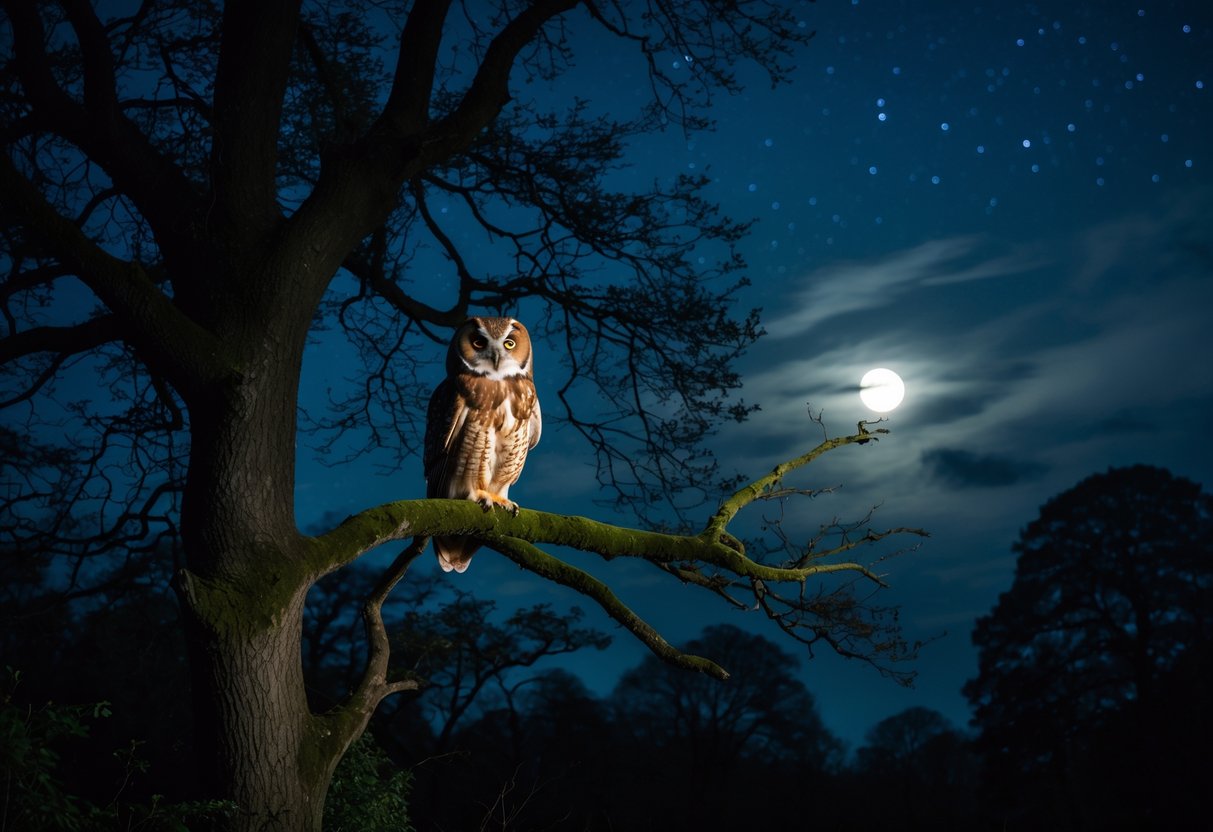
Different types of owls do their own thing. Barn owls usually hunt at twilight and, honestly, you might spot them during the day in summer. Tawny owls? They’re more strict about sticking to the night and their calls echo through the woods.
If you know when owls are most active, owl-watching suddenly gets a lot easier and, honestly, way more fun. Whether you’re just out for a stroll or hoping to spot one of these mysterious birds, understanding their routines gives you a real shot at seeing them. Want more details about when and how they hunt? Check out this guide on when owls come out in the UK.
When Do Owls Emerge at Night in the UK?

In the UK, owls usually start getting active around dusk and dawn. The exact time depends on the species, the season, and where you are. Some owls only come out at night, but others might hunt in the early morning or even during daylight.
Typical Nighttime Activity Patterns
Most UK owls head out to hunt soon after sunset. Barn owls and tawny owls are often on the move at dusk and stay active through the night. They use the dim light to spot their prey.
Barn owls rely on their hearing to catch small mammals, and you’ll often see them hunting at dawn and dusk. Some owls, like the little owl and short-eared owl, don’t mind being out in the daytime or late evening.
You’ll find tawny owls snoozing through the day, hidden away, and then waking up at dusk to start hunting. Most owls get about 4 to 8 hours of sleep during the day to gear up for a night of hunting.
Timing Differences Between Owl Species
Tawny owls are pretty strict about hunting at night. You’ll hear or see them after dark most of the time. Long-eared owls do the same, but they’re pretty secretive, so spotting one isn’t easy.
Barn owls sometimes break the rules and hunt in dim daylight, especially after wet weather when food gets scarce or conditions change. Little owls, which aren’t native but now live in the UK, often perch on posts or buildings during the day.
Short-eared owls are a bit unusual—they hunt mostly during the day, especially in moorland or heath up north.
Seasonal and Geographic Variations
Winter changes things up for owls. With less daylight and colder weather, they might hunt later in the morning if prey isn’t very active at night.
In northern Britain, long-eared and short-eared owls adjust to the lack of daylight or sometimes move south for winter, heading down to southern England. Barn owls and tawny owls mostly stick around the UK, but local food conditions can shift their routines.
Outside the UK, owls in places like Iceland or Russia have totally different schedules. Long summer days or harsh winters force them to adapt in ways you might not expect.
If you want more info on when owls are active, take a look at Owls | The Wildlife Community and Barn Owl hunting and feeding.
Nocturnal Habits and Adaptations of UK Owls

Owls have some pretty amazing traits that help them survive the night. They fly quietly, pick smart places to live, and have clever ways to catch food.
These habits make it easier to spot owls and really appreciate how skilled they are as hunters.
Silent Flight and Hunting Techniques
Owls have soft feathers that let them fly almost silently. You might not even hear them coming—seriously, it’s kind of eerie. Their wide wings spread their weight, so they glide smoothly over fields or through the woods.
Barn owls love this hunting style. You’ll see them floating low, listening for voles or other small animals. Their hearing is crazy sharp, and those facial discs? They help funnel sound right to their ears, so they can find prey even in total darkness.
Their forward-facing eyes give them great depth perception. That’s how they judge the distance when they swoop down on prey. Some owls use their talons in a flash to grab animals before they get away.
Preferred Habitats and Home Ranges
Most UK owls pick quiet places to hunt safely. Barn owls hang around open farmland or grasslands, where voles and mice are easy to find.
You’ll spot tawny owls in woodlands because they like the cover of trees. During the day, owls hide in hollow trees, old buildings, or nest boxes.
These spots keep them safe from other birds of prey like buzzards, which hunt when it’s light out. An owl’s home range really depends on food and how safe the area feels.
Some species, like the little owl, don’t mind mixing it up. They’ll hunt in orchards or on mixed farmland, and you might even catch them out during the day since they’re partly active then.
Prey and Feeding Behaviour
Owls usually go after small mammals like voles, mice, and shrews. Barn owls seem to have a particular fondness for field voles, especially since those little guys are everywhere in farmland.
When they hunt, owls trust their hearing more than their eyesight. They’ll sit quietly, listening for the tiniest rustle or movement.
Instead of chasing insects in the air like bats do, owls focus on prey hiding in grass or scurrying across the ground. They swoop down and grab their target with those surprisingly powerful talons.
Once they’ve caught something, some owls just swallow their meal whole. Others might rip it into smaller bits first—it depends on the size and, well, the mood.
Most owls prefer to hunt between dusk and dawn. Still, they don’t always stick to that schedule. If food’s scarce or it’s breeding season, they’ll change things up. For example, barn owls sometimes hunt in daylight during summer, especially when they’ve got hungry chicks waiting.
If you’re hoping to spot them, paying attention to these habits can help. Timing really does matter.
Learn more about barn owls and their hunting times at What Time Do Owls Come Out in the UK? Evening Habits Explained.


