
If you keep hearing an owl hooting a lot near your house, you might start to wonder what’s going on. Owls hoot mostly to claim their territory and attract mates, especially in the fall and winter.
They use these calls to tell other owls, “Hey, this spot’s taken!” and to let potential partners know they’re available.
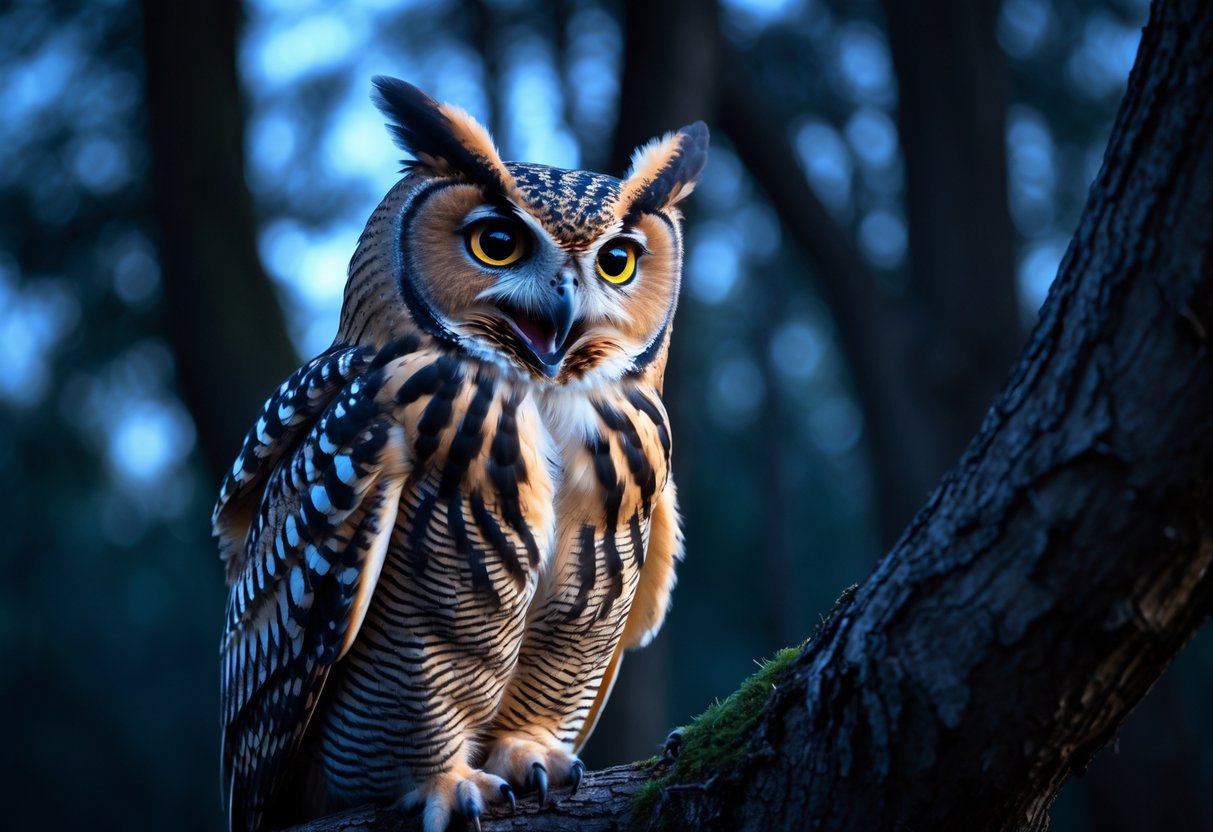
Owls come alive at night, so their hoots can sound extra loud when everything else is quiet. Sometimes you’ll catch different noises—maybe screeches or even growls—if they feel threatened or need to defend their turf.
If you listen closely, you might pick up hints about what these mysterious birds are up to after dark.
Figuring out why owls hoot so much helps you get a little peek into their world. These sounds are part of a nightly conversation about survival and family that happens right outside your window.
For more about what owl calls mean, you might want to check out this guide on owl behavior.
Key Reasons Owls Hoot More Frequently
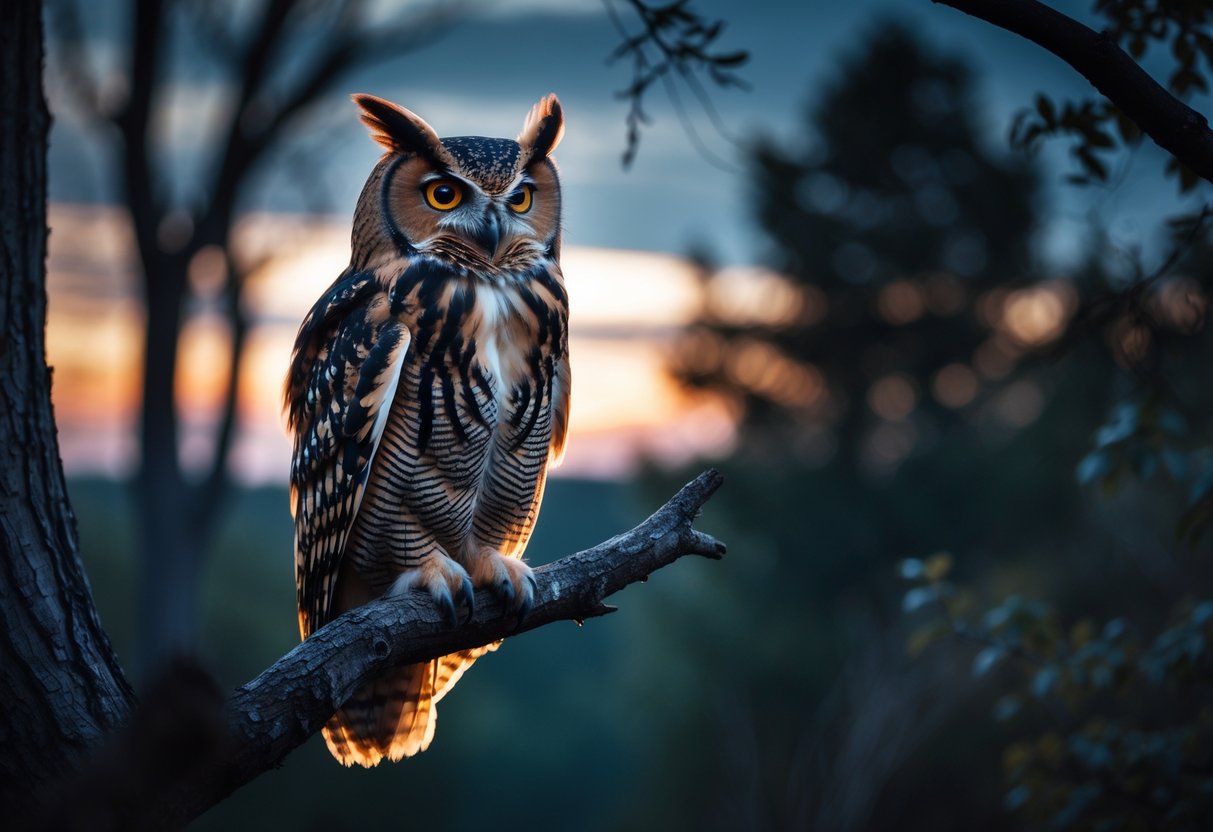
When you hear owls hooting a lot, they’re usually sending out important messages. They might be protecting their space, calling to a mate, or dealing with something stressful nearby.
Territorial Defense and Warnings
Owls call out to mark their territory. A male great horned owl, for example, hoots to warn others to stay away from his hunting and nesting spots.
These hoots basically say, “Don’t even think about it.”
If another owl gets too close, you’ll hear the calls get louder or more intense. Sometimes, they’ll snap their beaks or hiss to scare off intruders.
This kind of behavior ramps up in late summer and fall, when younger owls start looking for their own homes.
A local barred owl might hoot to lay claim to a patch of woods. This keeps fights to a minimum, since everyone knows who owns what.
Mating Calls and Pair Communication
When it’s mating season, owls hoot to find a mate and keep in touch with their partner. A female might start with a gentle hoot, and the male answers back.
Soon, they’re hooting together—almost like a duet.
These calls let the female know the male is strong and has good hunting grounds. It’s how owl pairs build trust and make plans for nesting.
This starts in the fall and can last through the winter for a lot of species.
If you notice more hooting near your place, the owls might be gearing up for breeding season. It’s their way of getting ready for family life.
Hooting as a Response to Stress or Disturbance
When owls feel threatened, they hoot more or switch to harsher sounds. That might happen if a predator is nearby or if someone gets too close to their nest.
These warning calls sound different—they might growl, hiss, or even bark. When you hear those, the owl is definitely on edge and wants some space.
Great horned owls, being fierce protectors, don’t mess around when it comes to their young. If you keep your distance, you help keep things calm for both you and the owls.
If you hear odd hooting during the day, it could mean the owl feels disturbed, since most owls prefer the nighttime.
How Hooting Varies by Owl Species and Environment
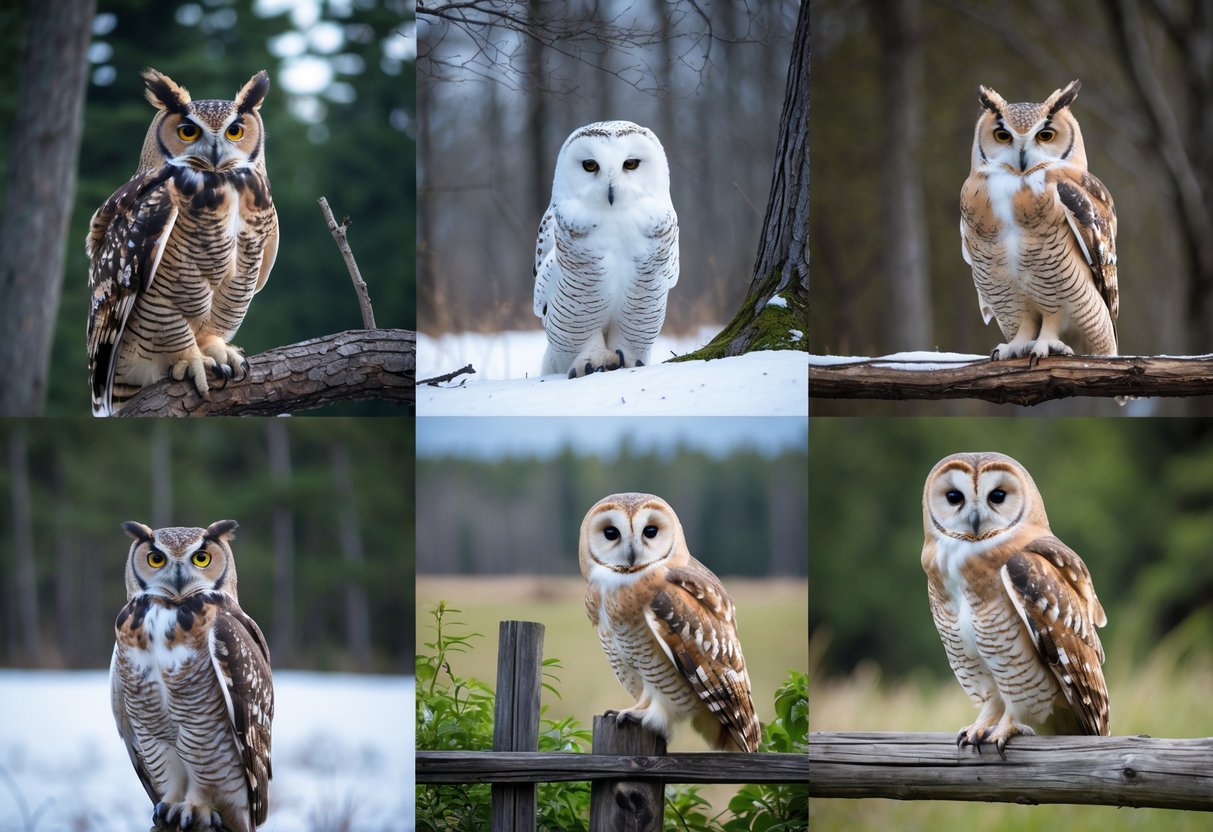
Not every owl hoots the same way, and their calls shift depending on where they live and what time it is. Some use hoots for territory, others for finding mates, and their habits really shape how and when they call.
Differences in Hooting Between Great Horned, Barred, Snowy, and Burrowing Owls
Great Horned Owls have those deep, classic hoots people think of—usually a slow “hoo-hoo hoo hoo.” They use these calls at night to claim space and attract partners.
Barred Owls sound pretty different. Their hoot is loud and clear, almost like they’re asking, “Who cooks for you? Who cooks for you all?” You might hear them during the day or at dusk and dawn, since they’re active then.
Snowy Owls, on the other hand, stick to the daylight hours. Their calls are softer and more repetitive. Since they’re diurnal, you won’t hear them hooting much at night.
Burrowing Owls break the mold. Their “hoots” are quick and high-pitched, and they’re mostly active during the day. They use these calls to mark territory near their ground burrows.
Impact of Time of Night and Light Conditions
Owls pick their moments to hoot, usually when their voices will carry the farthest. At night, especially when it’s cold and clear, their calls travel better—there’s less wind and background noise.
Some owls, like Barred and Burrowing Owls, get louder at dawn and dusk, since those are their busy times. You might notice a burst of hooting right before sunrise or just after sunset.
When there’s bright moonlight or streetlights, some owls quiet down, because they count on darkness to stay hidden. But in the suburbs, a few owls seem to hoot anyway, even with all the lights around.
Role of Crepuscular Activity and Night Vision
Some owls are crepuscular. They’re most active at dawn and dusk.
Barred Owls and Burrowing Owls fit into this group, so you’ll usually hear them hooting around those hours. Their calls really pick up when the light starts to fade.
Great Horned Owls and several others stick to the night shift. They count on sharp night vision when they hoot after dark.
Their big eyes let them spot prey in almost pitch black conditions. At the same time, their hoots help them claim territory or try to find a mate.
Honestly, you’ll probably hear owls with the best night vision hooting more often in total darkness. That just matches the way they hunt.
If you listen during twilight, you might catch different species as their hooting changes with the fading light. It’s a bit of a puzzle, but paying attention to when and where you hear them can tell you a lot.
Curious about the full story behind owl hoots? This detailed guide on how owls communicate at night digs even deeper.


