
Having an owl in your yard? That can actually be a fantastic thing. Owls are natural hunters, and they help control pests like mice and rats. So, you’ll probably notice fewer rodents hanging around your home.
They quietly keep the local balance in check, and you don’t really have to do anything special.
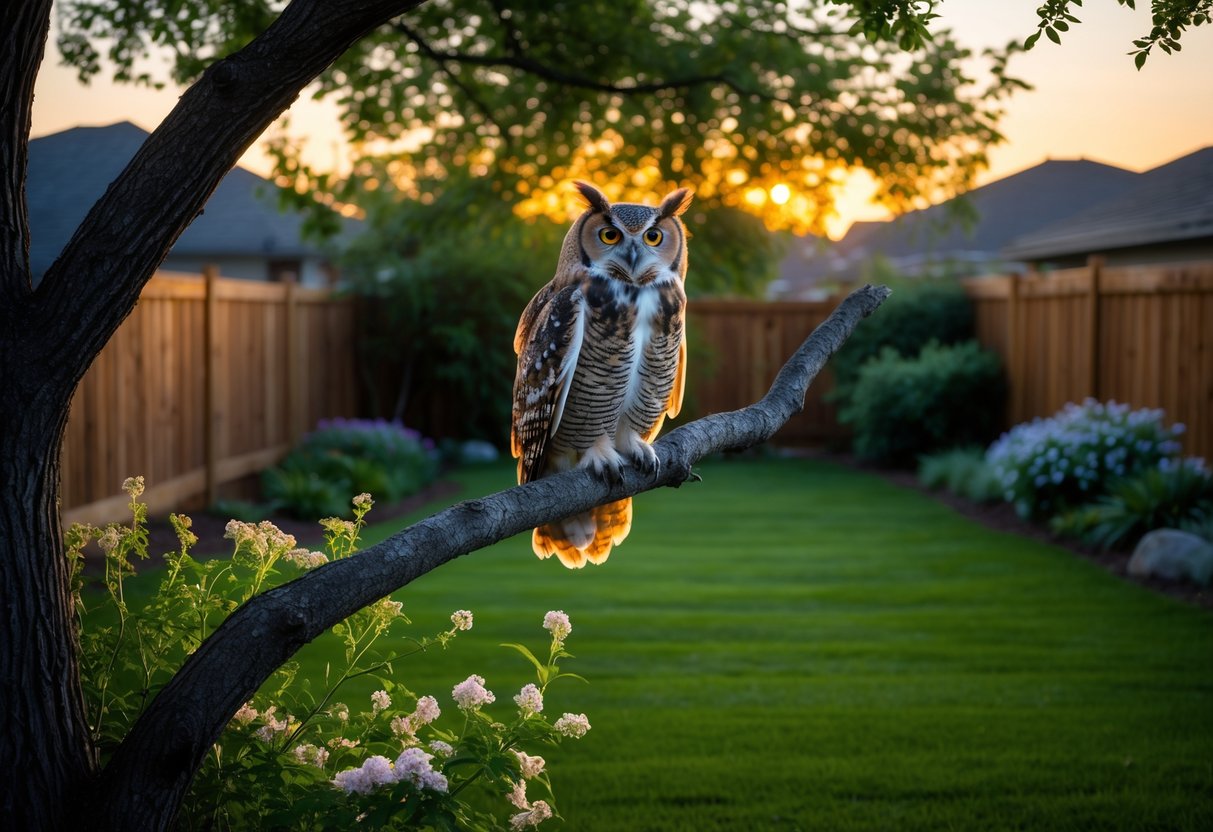
Besides the pest control, owls bring a bit of magic to your outdoor space. Their nighttime visits can make your backyard feel peaceful and, honestly, a little mysterious.
If you enjoy wildlife or just want a safer, healthier garden, attracting owls might be worth a shot.
Key Benefits of Having Owls in Your Yard
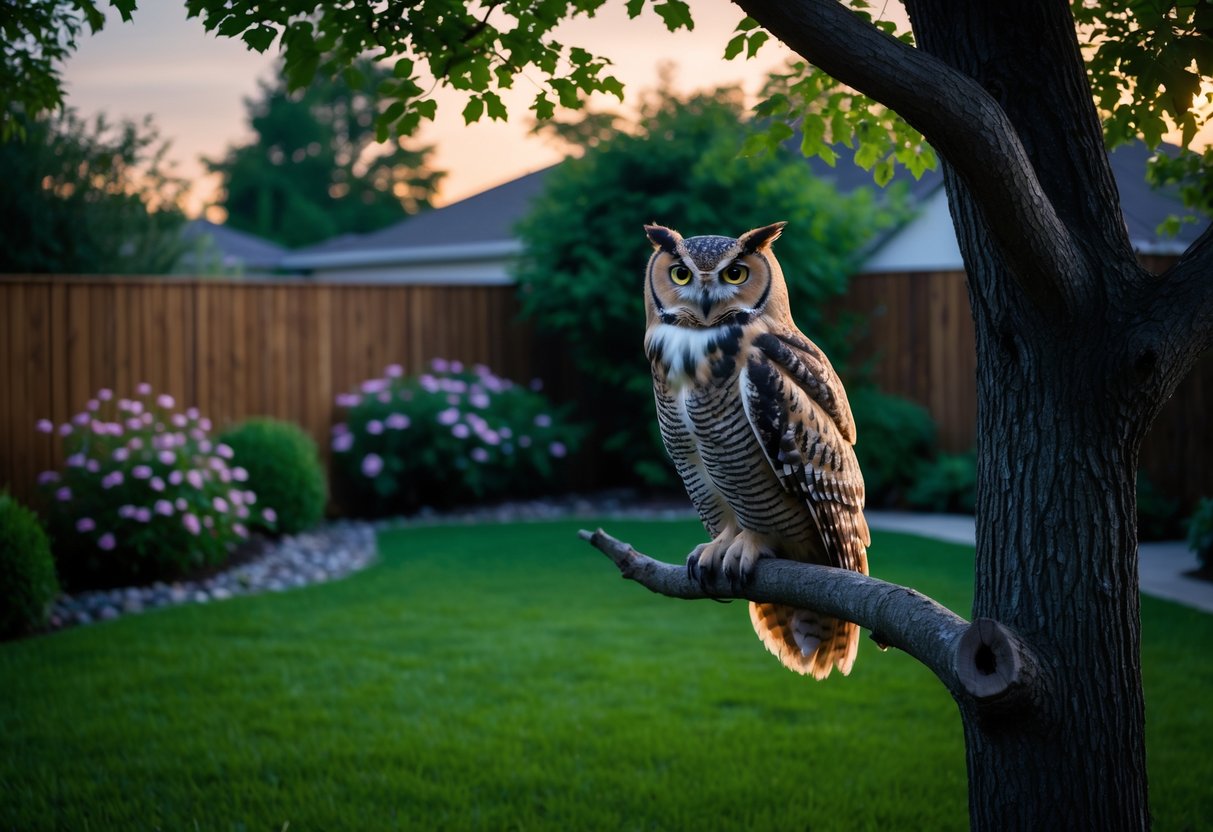
Owls in your yard? That comes with some real perks. You get help with pests, more wildlife, and a chance to watch some fascinating birds up close.
Natural Rodent and Pest Control
Owls hunt rodents like mice, rats, and ground squirrels with impressive skill. If you’ve ever dealt with these pests, owls can really cut down their numbers.
This protects your garden and keeps damage to a minimum, all without harsh chemicals or poisons.
Barn owls, for example, mainly eat small mammals, so they’re especially good at this. Their presence means fewer rodents carrying diseases or gnawing on your plants.
Encouraging owls can save you money on pest control and help your yard stay safe.
Supporting Local Biodiversity
Attracting owls also supports a healthy ecosystem right outside your door. Owls look for trees, brush piles, or nest boxes to raise their young and hunt.
By keeping these features in your yard, you’re helping other wildlife too.
Owls often nest in dead trees or snags. When you leave these alone, you help more species thrive nearby.
This brings a nice balance where different animals coexist, and your neighborhood feels more alive.
Wildlife Observation Opportunities
Owls are pretty fascinating to watch, and they’re much quieter than most birds. Their nighttime activity gives you a chance to spot wildlife you’d probably miss during the day.
Watching owls hunt or care for their young can be surprisingly rewarding.
Having owls nearby makes your yard feel more alive and connects you to nature in a new way. You might even learn to identify different owl species by their calls or feathers.
Grab some binoculars and find a little viewing spot—you can enjoy wildlife watching right at home.
For more practical tips on attracting owls, check out the Owl Research Institute’s guide.
How to Attract and Support Owls in Your Yard

You can help owls live near your home by giving them safe places to rest and raise their young. Creating an environment that fits their needs lets owls hunt and breed comfortably.
Simple steps like putting up owl boxes and picking the right trees can make a big difference.
Installing and Placing Owl Boxes
Owl boxes give owls a place to nest, especially for birds like barn owls that need cavities. Put the box at least 10 feet high on a tree or pole to keep owls safe from raccoons and other predators.
Add some wood shavings inside, but don’t fill it all the way up. Place the box away from busy spots, ideally near trees or brush where owls can find food.
Face the entrance away from strong winds and direct sun. Barn owls like open fields, while great horned owls prefer woodlands, so check what works best for your area.
Local groups like the Audubon Society often have helpful advice.
Choosing Suitable Habitats and Features
Owls want yards with trees, shelter, and food sources like mice or voles. Plant native trees—pines, oaks, beeches—since these are great for perching or nesting.
Dead or hollow trees work well too, so don’t rush to remove them. Avoid bright outdoor lights at night because owls hunt best in the dark.
Leaving some brush or stick piles can attract small rodents, which owls need during breeding season.
Put out a deep birdbath with clean water somewhere quiet. Owls like to drink and bathe, especially when it’s warm.
Also, make sure you remove nets or anything that could trap them.
Understanding Owl Species and Preferences
Owls can be pretty particular about what they want. Barn owls, for example, hang out near farmland most of the time.
They love open spaces and usually pick nest boxes set high up on poles. Great horned owls, though, seem to prefer forests and might use either boxes or natural nests, depending on what they find.
You probably won’t spot snowy owls or short-eared owls in your backyard, but hey, it’s not impossible. Snowy owls stick to cold, wide-open places, far away from cities.
Short-eared owls tend to hunt across grasslands, so they’re a rare sight in most neighborhoods.
Try to figure out which owls actually show up in your area during breeding season. That way, you can pick the right kind of owl box and tweak your yard to keep these amazing birds safe.


