
Ever heard someone talk about “hooting with the owls”? You might’ve wondered what they’re really getting at. Basically, the phrase warns you that if you waste your nights on distractions or bad habits, you can’t expect to reach real success. Your choices, especially when nobody’s watching, shape where you end up.
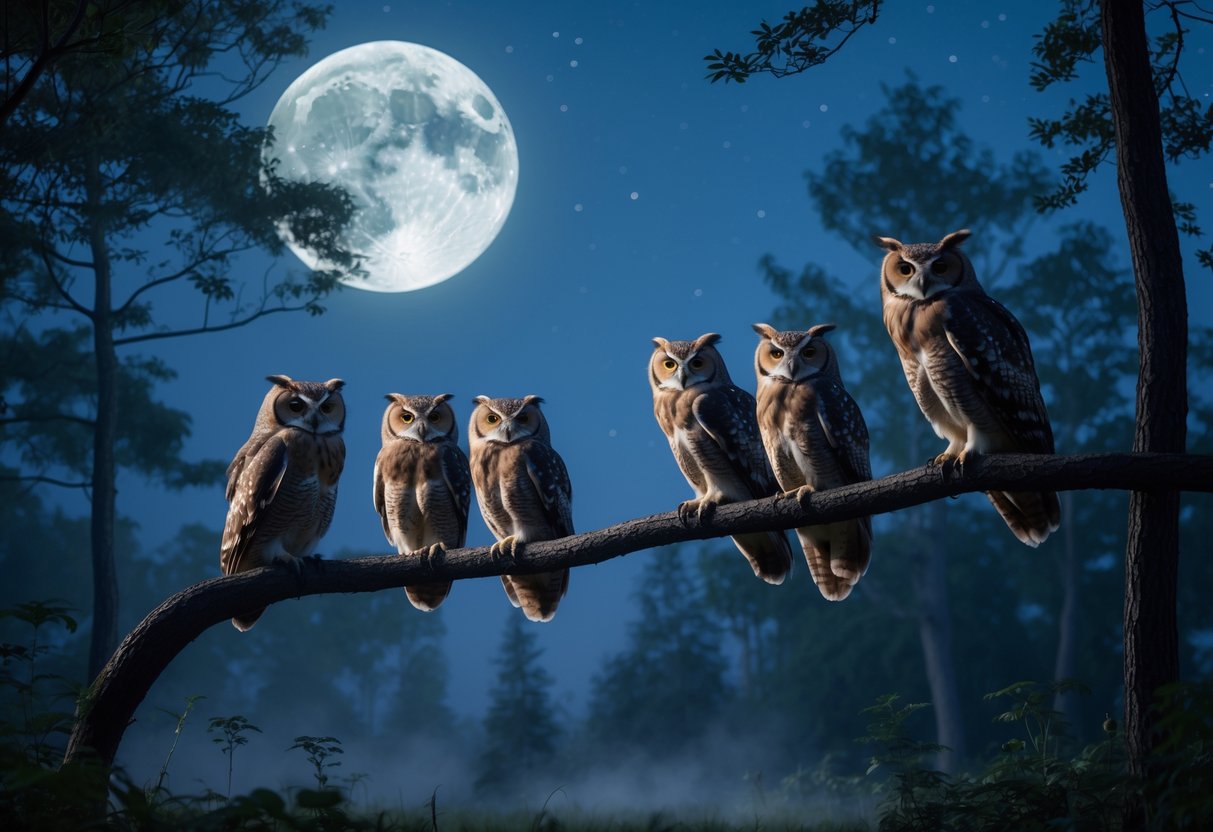
When you hoot with the owls, you stay up late or maybe just drift along without much purpose. In contrast, soaring with the eagles means you aim high and put in the effort during the day.
What you do at night or in your downtime really does affect your future.
Thinking about this saying might make you pause and look at your own habits. Who do you hang out with? What do you actually want out of life?
Understanding the Saying About Hooting With the Owls
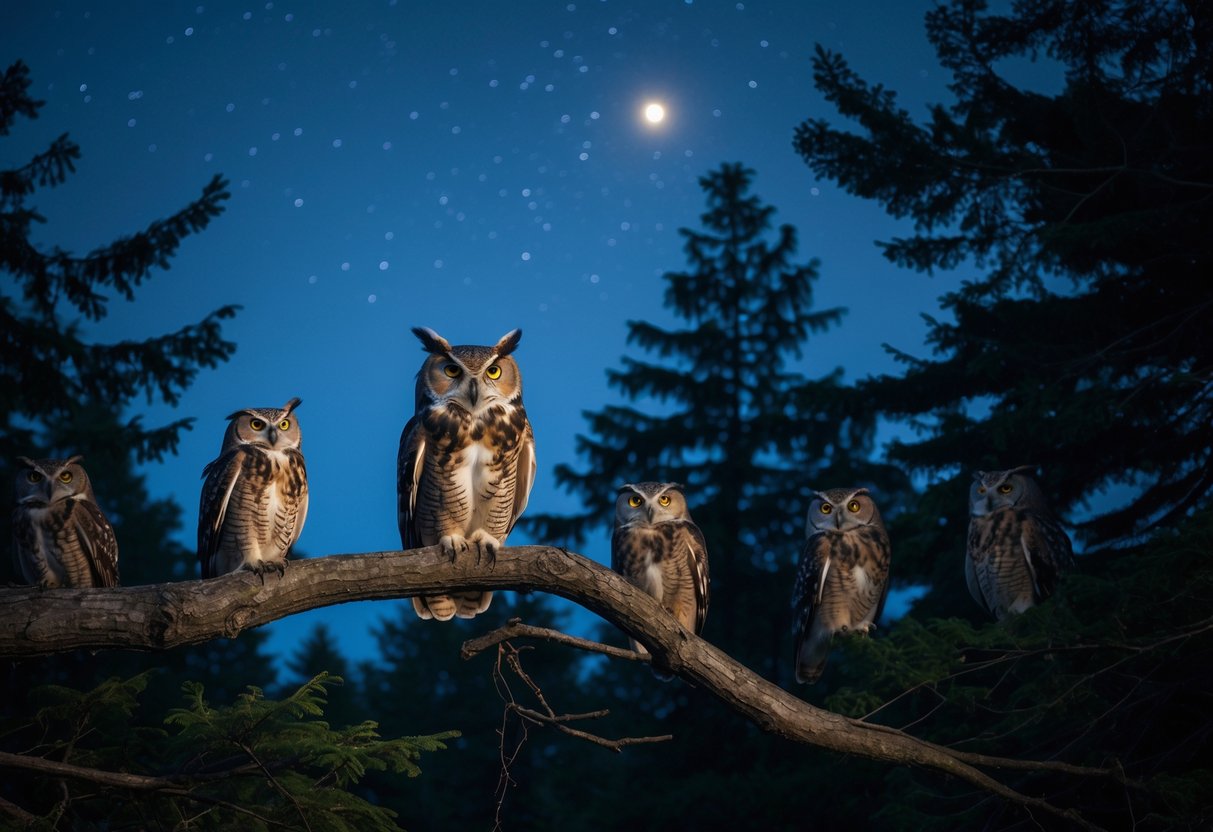
People usually connect “hooting with the owls” to late-night choices and the company you keep. The phrase ties your actions to your chances of success.
It draws on what owls actually do and how that relates to human behavior. Over time, the phrase picked up steam in all sorts of settings, from sports to self-improvement.
Origin and Popularity of the Saying
Old sayings and coaching quotes, especially from John Wooden, a legendary basketball coach, inspired the phrase “hoot with the owls.” It caught on because it paints a clear picture—nighttime habits (owls) versus daytime ambition (eagles).
You’ll spot this saying in sports talks, self-help books, and even sermons. Shows like Ted Lasso helped make it more mainstream.
People use it to remind you that wise choices matter if you want to get ahead. It’s most common in the U.S., though you’ll sometimes hear it in other English-speaking places.
Meaning and Interpretation
When someone says you’re “hooting with the owls,” they mean you’re spending your time on things that don’t really help you grow. Maybe you’re picking up bad habits or just not putting in your best effort.
You can’t expect to “soar with the eagles”—that is, succeed—if you keep doing that.
Owls stick to the night, often representing mystery or even caution, while eagles rule the daylight and stand for strength and drive. The phrase nudges you to think about when and how you act.
Connections to Owl Behavior
Owls like the barred owl and barn owl hoot to communicate or mark their territory. Barred owls, for instance, hoot to let others know where they are or to attract a mate.
Barn owls don’t hoot at all—they screech, and it’s honestly kind of jarring.
If you know a bit about real owl sounds, the saying starts to make more sense. Owls do their thing at night, which feels strange or even spooky to some people.
That adds to the idea that “hooting with owls” means getting caught up in stuff that happens in the dark, away from the best light—both literally and figuratively.
Use of the Saying in Modern Culture
You’ll catch this phrase in quotes, sports coaching, and all over social media. People use it to warn you about habits that might trip you up.
Coaches especially love it for motivating teams to work harder and stay focused.
You’ll also see it pop up in faith-based writing, where “hooting with the owls” means giving in to bad influences. In pop culture, the phrase stands for those moments when you have to choose between easy distractions and your bigger goals.
People sometimes talk about it as the difference between late-night hangouts and actually getting things done during the day.
It kind of dares you to pick better friends and better ways to spend your time.
If you’re curious, check out You Can’t Soar with the Eagles if You Hoot with the Owls for more on this idea.
Owls: Symbolism, Myths, and Notable Species

Owls have fascinated people for ages with their silent wings and haunting calls. Their meaning shifts a lot depending on where you are.
Some owls are famous for their hoots, while others show up in legends or stand out in nature.
Owls in Folklore and Superstitions
Lots of cultures link owls to mystery or the unknown. In some places, people believed an owl’s hoot at night was a warning or even a sign of death.
For example, folks once thought a Barn Owl screech near a sick person meant death was close. Some used owl eggs in folk medicine, hoping they’d cure illness or protect eyesight.
But hey, not every owl story is creepy. The Dakota Hidatsa people saw the Burrowing Owl as a guardian spirit for warriors.
Many tribes believed owls watched over the spirit world or protected souls after death. So, you get this mix of fear and respect in old stories about owls.
Owl Symbolism Across Cultures
Owls mean different things across the globe. In Greek myths, the owl stood for wisdom and was tied to Athena, the goddess of war and knowledge.
A Great Horned Owl could be a protector in some Native American tribes, while others saw owls as warnings of sickness or bad luck.
You might’ve heard tales where owls guide spirits to the afterlife or deliver messages from beyond. The Hopis, for example, called the Burrowing Owl the “Watcher of the dark.” They believed it helped with growing seeds and tending fires.
All these stories show that owls play a pretty big role in culture—definitely more than just being birds.
Famous Owl Species and Their Calls
You might recognize some owls just by the way they sound or look.
The Barred Owl belts out a clear “Who cooks for you?”—it’s a hoot you can’t really mistake for anything else.
People often link the Great Horned Owl’s deep, booming call with power or strength. I mean, have you ever heard it at night? It’s kind of unforgettable.
Barn Owls get a lot of attention for their silent flight, but their eerie screeches might actually stick with you even more.
Owls don’t all sound the same. They use their calls to claim territory or chat with their mates.
If you hear hooting close to your house, chances are the owls are just hanging around and staying active. It’s nothing to worry about.
Figuring out which owl is which by their calls can be surprisingly fun. Plus, you’ll end up knowing a lot more about the wildlife in your area.


