
Owls have always felt a bit mysterious, haven’t they? If you’ve ever wondered how to spot a happy owl, you’re not alone. Unlike dogs or cats, owls don’t wag their tails or purr, but they still show their feelings in their own quiet ways.
When an owl’s feeling good, you’ll often catch it preening its feathers, making soft sounds, or even bobbing its head.
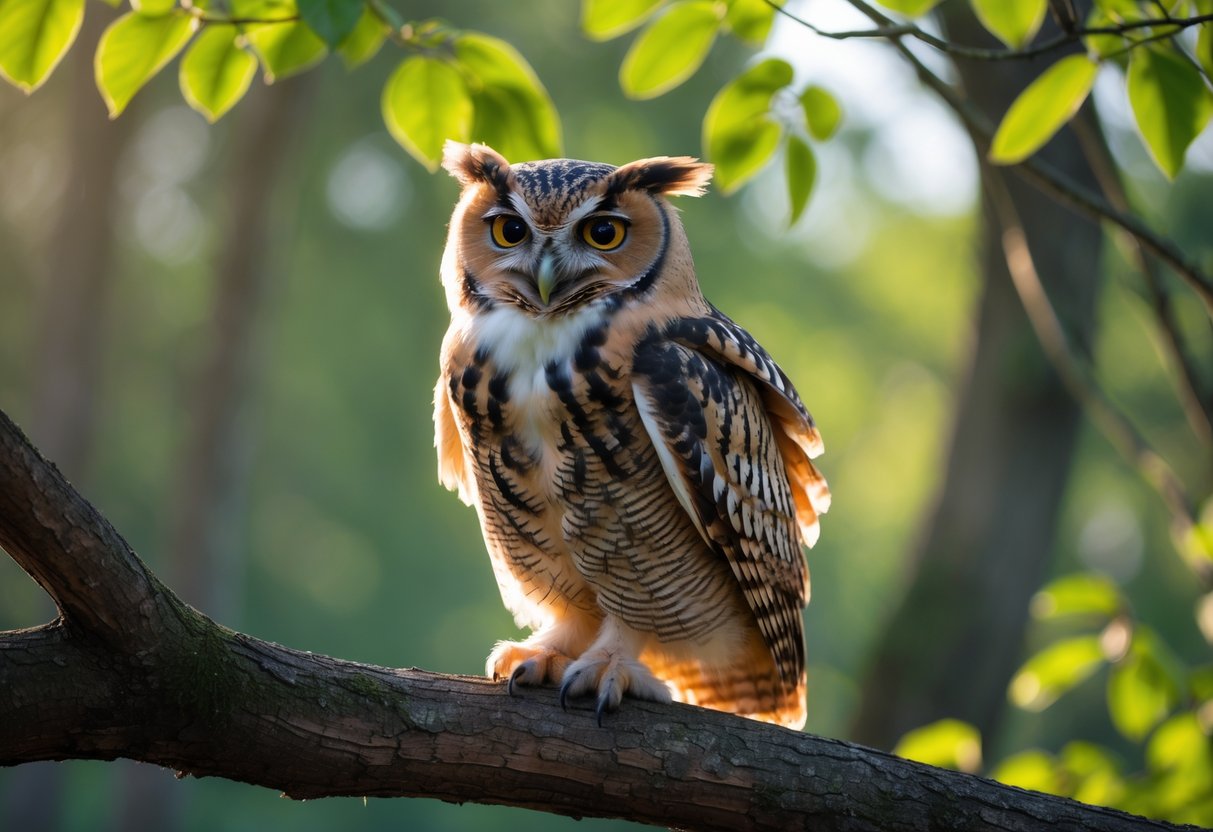
You might see your owl cleaning its wings or making gentle calls. These are signs that it feels comfortable and content.
Owls use these little actions to communicate, even if it’s not always obvious to us. If you want to get closer to your feathered friend, paying attention to these subtle cues is a great place to start.
There’s more to owl happiness than you might think, so keep your eyes peeled for those tiny but important signals. Curious for more? Check out this guide on how owls show joy.
How Owls Show Happiness Through Behavior

When owls feel happy, they show it through their body language and actions. You’ll notice changes in how they hold their feathers, move their heads, or interact with others.
These signs help you figure out when an owl feels comfortable or at ease.
Relaxed Posture and Fluffy Plumage
A happy owl usually looks relaxed, with its feathers loose and a bit fluffy. This soft look means the bird isn’t stressed or on edge.
When calm, an owl’s feathers puff up just slightly, making it look rounder and softer. You’ll often see baby owls or small species with extra fluffy feathers when they feel safe.
This relaxed posture shows they’re comfortable, especially when they’re resting or preening. Unlike when they’re alarmed, their feathers don’t sit tight against their bodies, and their ear tufts stay down unless they’re excited.
If you spot an owl sitting quietly, gently preening, or stretching, that’s usually a good sign it feels happy and secure.
Head Bobbing and Gentle Movements
A lot of owls bob their heads when they’re curious or in a good mood. You might catch an owl slowly moving its head from side to side, almost like it’s sizing things up or just showing interest.
Little owls, in particular, are known for bobbing their bodies up and down when they’re alert but not stressed. This gentle motion suggests they feel relaxed and are just checking out their surroundings.
A happy owl might blink slowly or close its eyes for a moment, especially if you’re close by. These small gestures show trust and contentment.
Social Interactions With Other Owls
Owls often show happiness by interacting with each other. They’ll groom their mates or companions, using their beaks to clean each other’s feathers.
You might even catch owls making soft calls, laughing quietly, or hooting together as a pair. Baby owls and their parents stick close and communicate in gentle ways, which shows trust and affection.
When owls perch together or interact without any fuss, it really highlights their good mood. These moments are a peek into how owls connect and show contentment in their group.
Want to see more about this? Check out how owls show affection.
Vocalizations and Sounds Owls Make When Content

When owls feel calm or happy, they make a mix of sounds to let you know. These might be soft hoots, gentle hums, or even some playful chatter.
Every owl species has its own way of making these happy noises, and listening closely helps you get a sense of their mood.
Soft Hoots and Humming
You might hear an owl making quiet, soft hoots when it’s content. Great horned owls, for example, use low, gentle hoots to show calmness.
These hoots sound slower and less intense than their usual territorial calls. Barn owls sometimes add a soft hum or a smooth, calming call when they feel relaxed.
This sound isn’t loud or sharp, just a gentle way to stay in touch with mates or chicks. Snowy owls also use gentle hoots to show they’re comfortable.
These softer sounds help owls keep in contact without stirring up any stress.
Chirps, Chatters, and Other Friendly Calls
Some owls use chirps or chatters to show they’re feeling good or friendly. The tiny elf owl, for instance, is famous for its cheerful chatter that sounds like quick, happy yips.
These high-pitched notes usually mean the owl feels safe and social. Barred owls sometimes make a string of friendly coos and hoots, almost like they’re having a conversation.
Burrowing owls mix chirps with coos and other quiet noises when they feel safe in their burrows. Unlike their warning hisses, these soft calls show they’re relaxed and comfortable.
Differences in Happy Sounds Between Owl Species
Owls don’t all make the same happy noises. Their size and where they live shape the sounds they use.
Take great horned owls, for example. They let out deep, steady hoots.
Elf owls? They go for quick, high-pitched chatters.
Barn owls often hum softly, with long and low tones. On the other hand, snowy owls hoot in a way that carries far, but they don’t really shout.
Burrowing owls spend more time close to the ground, so their happy calls—coos and chirps—stay pretty quiet. You’ll probably hear them best if you’re nearby.
It’s kind of fascinating, right? You can start to tell when an owl feels content just by listening.
Want to dig deeper into owl sounds? Take a look at 10 Sounds Owls Make and What Each Means.


