
Owls make all sorts of sounds, but the hoot is probably what you’ll notice most often. That hoot might come out as a soft “hoo” or, depending on the owl, a steady beat of low calls. Some owls don’t just hoot—they’ll screech, bark, or even hiss, using these noises to get their message across in different situations.
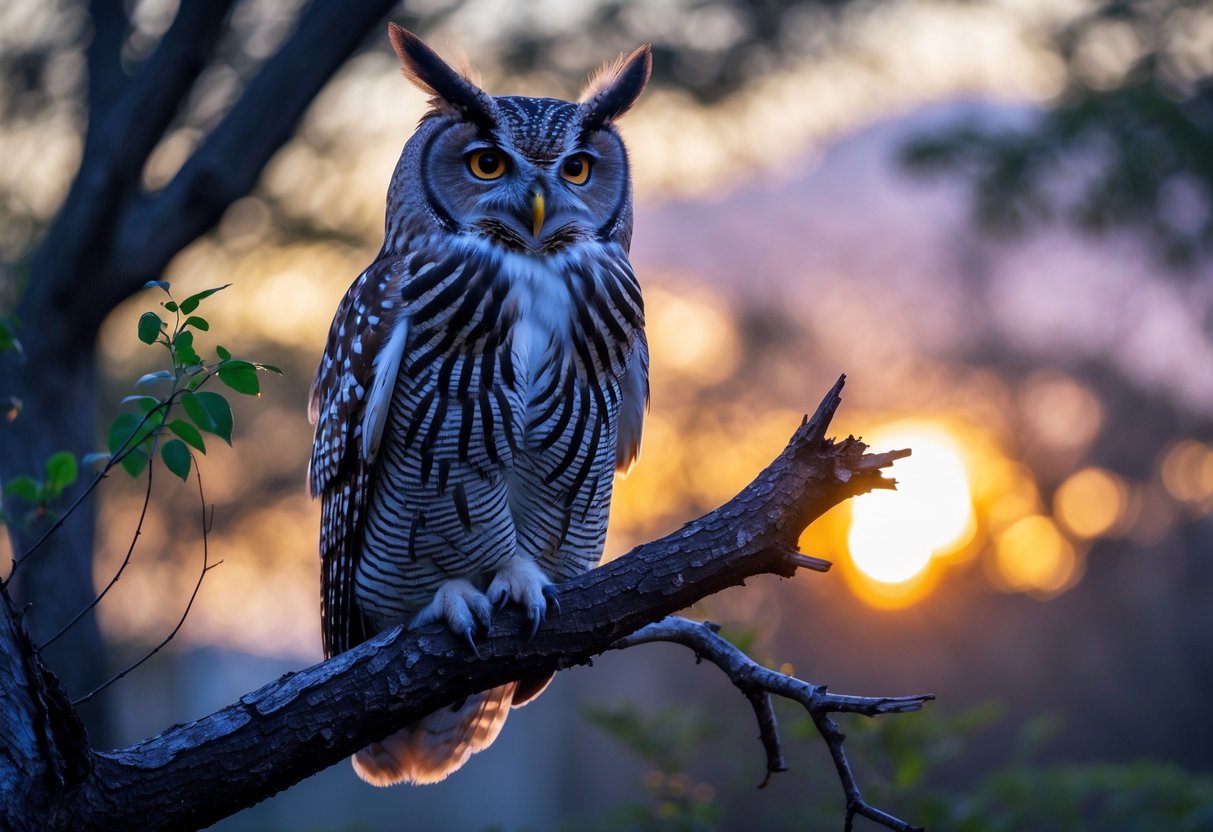
If you’re outside at night, you might catch owls calling out to claim their turf, find a mate, or scare off trouble. Every owl species has its own voice, so recognizing those calls can help you figure out which owl is nearby.
Maybe it’s the mellow hoot from a great horned owl, or the wild shriek of a barn owl—either way, these sounds add something special to the night. Next time you’re on a nighttime walk, keep your ears open for these amazing birds. If you’re curious about the range of owl calls and what they mean, there’s a pretty thorough guide you can check out.
Common Owl Noises and Their Meanings

Owls use different sounds to talk to each other. Some calls say “stay away,” while others help them find a mate or check in with their young.
You’ll hear a mix of hoots, screeches, and even some weird noises, depending on the owl.
Hoots and Territorial Calls
Hooting is that classic owl sound everyone expects. Great horned owls belt out deep, steady hoots—think “hoo-h’HOO-hoo.” They use these to say, “Hey, this is my spot.”
Barred owls have their own thing going on, calling out “who-cooks-for-you.” That long string of hoots travels far, especially during mating season.
A lot of owls rely on hoots to either warn off rivals or attract a partner. If you catch a quick run of hoots, chances are an owl’s defending its turf.
Screeches and Screams
Not every owl call comes out soft. Screech owls definitely earn their name with those loud, sharp screeches—sometimes they sound like a whistle, sometimes like a scream. They usually use these to keep other owls away.
Barn owls go for a high-pitched shriek that can honestly make you jump. That scream warns off other animals or lets other barn owls know something’s up.
Even baby owls get loud sometimes. When they’re hungry or upset, you’ll hear quick, sharp cries that basically say, “I need help!” or “Watch out!”
Caterwauls, Whinnies, and Other Calls
Some owls really surprise you with their sounds. Eastern screech owls have this descending whinny, kind of like a tiny horse, to defend their space.
Barking owls from Australia actually bark—“woof-woof”—and sometimes throw in a “yowing” that sounds weirdly human.
Owls might also hiss, clack their beaks, or chatter when they’re worked up or talking with a neighbor. These oddball sounds help them get their point across, depending on what’s happening.
Great horned and barred owls use all these sounds as part of their daily life, whether they’re hunting or just hanging out. If you know what to listen for, you might catch these calls in the wild.
You can dig deeper into owl calls with this article on different owl sounds and their meanings.
Owl Sounds by Age and Species
Owls change their sounds as they grow, and every species has its own vocal quirks. Young owls—owlets—use simple calls to get their parents’ attention.
Each kind of owl has its own set of calls that help you tell them apart. Some sounds warn other owls, while others are all about finding a mate or claiming space.
Juvenile Calls and Behaviors
Owlets usually make soft begging calls, hoping their parents bring food. You’ll hear high-pitched whimpers or short whistles.
Sometimes, baby owls flutter their wings or make little chirps when they get scared or excited.
As they grow up, their voices start to change. They practice hoots and screeches to get ready for life as adults.
Those early sounds help them talk to family and learn how to stand their ground. If you watch or listen to young owls, you’ll notice all sorts of growing-up moments.
Notable Sounds of Barred Owls
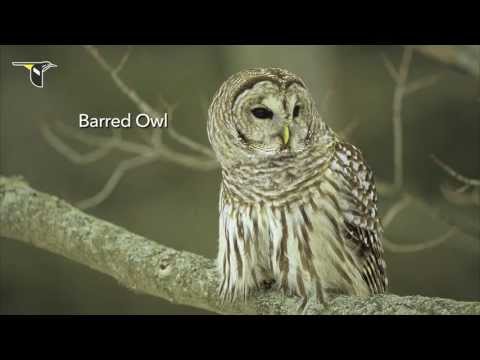
Barred Owls have calls that really stand out. They often sound like they’re asking, “Who cooks for you? Who cooks for you all?”—it’s a set of five deep, clear hoots.
Besides those hoots, Barred Owls sometimes break out in wild, laughing duets. These duets help pairs stay close and warn others to back off.
Their calls can change a lot, but they’re always loud enough to catch in the woods or even in the suburbs. If you want to hear more Barred Owl sounds, check them out here.
Unique Calls of Great Horned Owls
Great Horned Owls go for the classic deep hoot—“hoo-hoo-hoo.” Usually, they call out four or five times in a row, leaving a pause between each one.
You’ll often hear them at dusk or late at night, especially when they’re hunting.
Besides hoots, they’ll growl, scream, or hiss if they feel threatened or while hunting. Those sounds can be a bit spooky, but they’re just part of how these owls deal with danger or set their boundaries.
Their strong voice really fits their role as top nighttime predators.
Distinctive Eastern Screech Owl Noises
Eastern Screech Owls make more varied calls than most other owls. One of their main sounds is a trilling tremolo that rises and falls quickly—almost like a fast buzz.
They also give off a descending whinny, sort of like the sound a bouncing ball makes when you drop it from a height.
These owls use their strange calls to defend their homes and attract mates. You’ll find both grey and reddish color forms, but honestly, their calls are the best clue if you’re out birding.
If you listen closely, you might catch the unique personality hiding behind those quiet, complex noises.


