
Ever wondered when owls hoot in the UK? It really depends on the species and the time of year. Most owls get especially noisy during autumn and early spring, mainly when they’re courting or staking out their territories.
Tawny owls, for instance, love to hoot loudly on crisp autumn evenings. Barn owls, on the other hand, kick off their calls in early spring as they try to attract a mate.
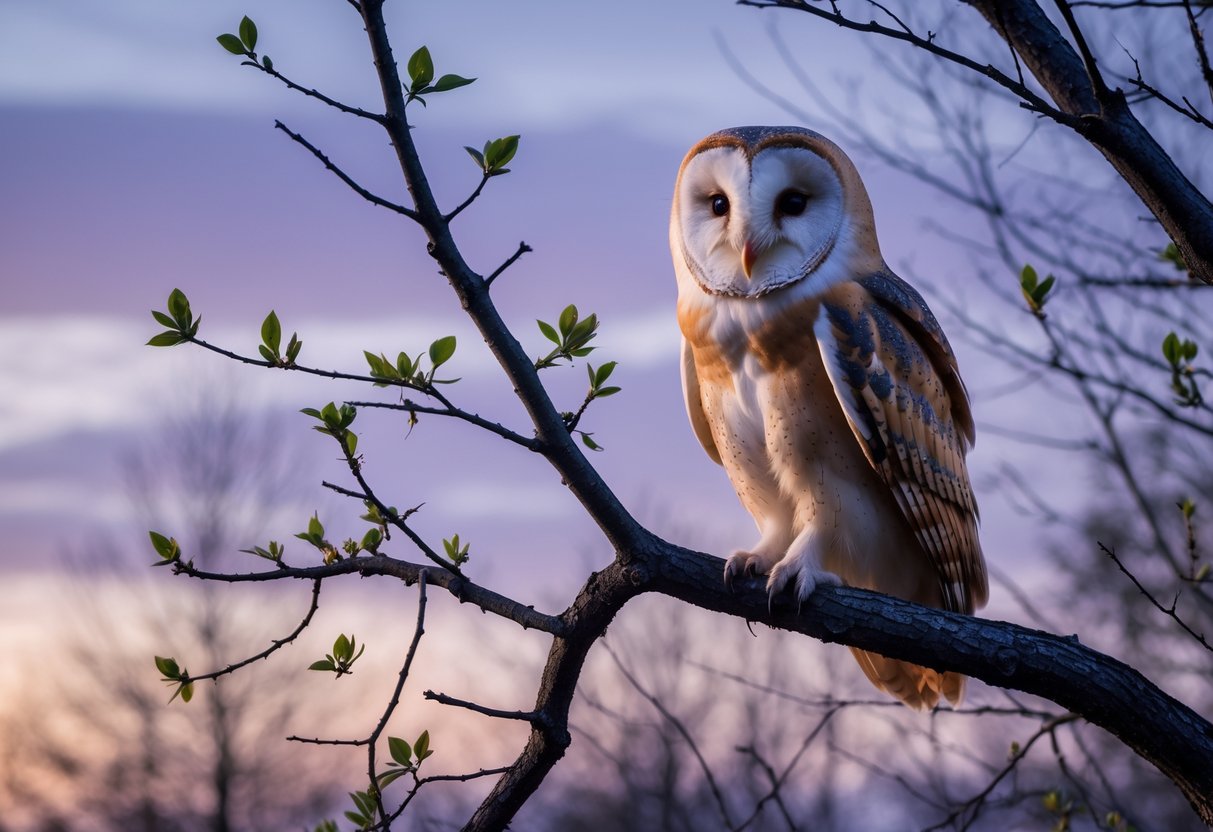
You might catch owls hooting at dawn or dusk since that’s when most species are up and about. Some, like the short-eared owl, even break the rules and call during the day while hunting.
If you listen closely during these times, you might just pick out their unique calls. It’s actually pretty fun to try and tell one owl from another.
Curious about who’s hooting and when? There are some handy tips below to help you spot and identify your local owls.
When Do Owls Hoot in the UK?

Owls in the UK hoot mostly to communicate, especially around breeding time. Each species has its own hooting style, and your location—urban or rural—can affect how often you hear them.
Most owls get vocal in the evening and into the night.
Breeding Season and Increased Hooting
You’ll notice the most owl hooting during their breeding seasons. Tawny Owls, for example, start hooting in late autumn and carry on through winter.
They use these calls to defend territory and attract mates. Males let out those classic, drawn-out hoots, while females respond with softer calls.
This hooting often starts in October and rolls into early spring. Other owls, like Great Horned Owls (not UK natives, but still interesting), hoot in similar ways when courting.
You might hear more calls from dusk until early night as owls set up nests or protect their young.
Differences Among Tawny, Little, and Barn Owls
Each owl species has its own style and timing for calls. Tawny Owls give that classic “hoo-hoo” sound.
Little Owls are a bit quieter, using higher-pitched calls instead of hoots, and you might catch them during the day. Barn Owls? They don’t hoot at all—think shrieks, hisses, or even snoring sounds.
So, if you hear a deep hoot at night, it’s probably a Tawny Owl. Barn Owls are the ones making those eerie nighttime shrieks.
Tawny Owls use hoots to mark territory and during mating. Other owls might call less often or use different sounds to get their message across.
Typical Nighttime Behaviours
Owls stay mostly active at night, especially in autumn and winter when their hooting peaks.
You might hear them from dusk right through to midnight. Sometimes, the calls even drift into the early morning hours.
They use these sounds to defend territory, chat with mates, or signal their young.
Daytime hooting is rare. But if an owl gets disturbed, or if you’re deep in the woods, you might catch one calling.
If you’re out listening, stay quiet and head for wooded spots, gardens with trees, or parks. Owls love places with tree cavities or nest boxes for breeding.
Impact of Urban and Rural Environments
Where you live really matters for hearing owls. In rural woodlands, Tawny Owls are common and hoot a lot.
Their calls can echo far in quiet forests. In towns or cities, you might still hear Tawny Owls, but it’s less frequent because of noise and fewer trees.
Barn Owls adapt well to rural farms but tend to stay quieter. Little Owls hang out near farms and open spaces, sometimes calling during the day.
If you’re in the city, hearing an owl hoot is rare, but not impossible—try listening at night in parks or gardens with trees. Rural spots definitely give you the best chance.
For more on Tawny Owls’ seasonal calls, check out Tawny Owl calls and breeding behaviour.
For Barn Owl vocal habits, visit Barn Owl Trust facts.
Factors Influencing Owl Hooting Patterns
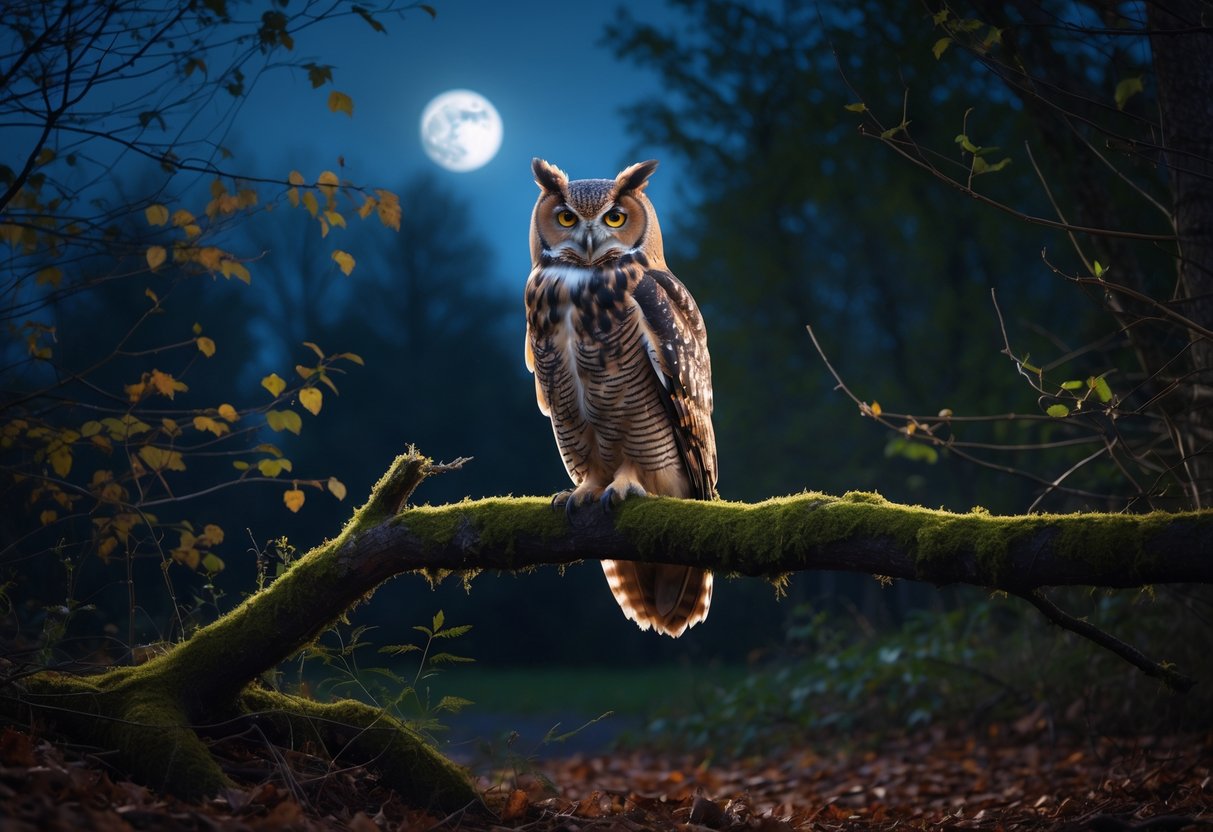
Owls change their hooting based on why they’re calling, the season, and what other birds are around. These things all affect how often you’ll hear them and what their calls mean.
Mating and Territorial Calls
During breeding seasons, owls hoot more to find mates and mark out their territory. Tawny owls, for example, call loudly in autumn and winter as pairs get ready to nest early next year.
Male owls send out deep hoots to warn other males to stay away. Female tawny owls answer with sharper calls.
Barn owls mostly call in early spring, with males screeching to catch a female’s attention.
You’ll sometimes notice other raptors, like kestrels and hawks, get more vocal when they’re protecting nests. If you hear a lot of owl hoots near your home during these months, it’s probably about courtship or defending space.
Effect of Weather and Seasonality
You’ll hear owls most on cool, crisp autumn and late winter nights. Cooler air helps their hoots carry farther, not getting muffled like they might in warm weather or thick summer leaves.
Tawny owls get especially noisy in October and November. They keep calling through winter and into early spring as they gear up for breeding.
Barn owls tend to stay quiet in really cold or wet weather. Owls don’t call much during hot summers or in bright daylight.
You might catch the odd daytime hoot, but owls really prefer to call at dusk or night when it’s cooler and hunting is easier.
Competition With Other Birds of Prey
Owls often share their territory with hawks and kestrels. These birds use their calls to stake out space, and their presence can really shape when owls decide to call out.
Sometimes, you’ll hear owls hooting more if hawks or kestrels hang around nearby. It’s especially noticeable in woodlands or farmland, where their home ranges overlap.
According to Barn Owl Trust, owls call to warn others and steer clear of face-to-face clashes. If you’ve got a bunch of birds of prey in your garden, you’ll probably hear owls calling more as they try to make their presence known.


