
So, what’s actually offensive about an owl? Owls usually get a reputation for being wise and peaceful, but they’re not always so gentle. Sometimes, they act pretty tricky—or even downright aggressive—especially if they think you’re threatening their home or babies.
They’ll use those sharp talons and fierce instincts to defend themselves, and if you wander too close, you might get a nasty surprise.
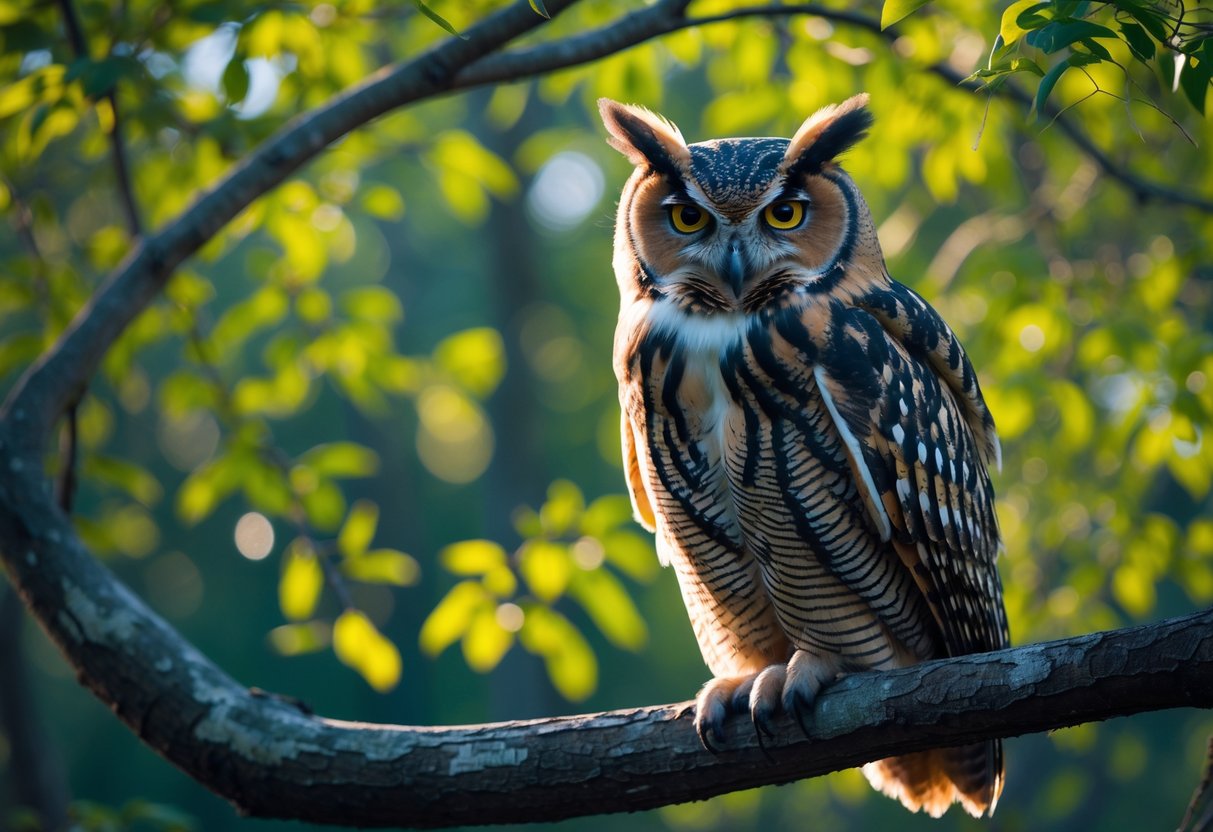
Owls hunt quietly, and their sudden swoops or loud hoots can really startle you. Most of the time, they don’t go looking for trouble, but if you’re near a nest or their chicks, you might find their behavior a little intimidating.
If you get why owls act this way, you’ll have a better shot at staying safe and giving them space.
Let’s dig into what actually makes owls seem offensive, when they might attack, and how you can avoid those awkward run-ins. Honestly, knowing this stuff helps you appreciate owls—without getting on their bad side.
What Makes Owls Considered Offensive?
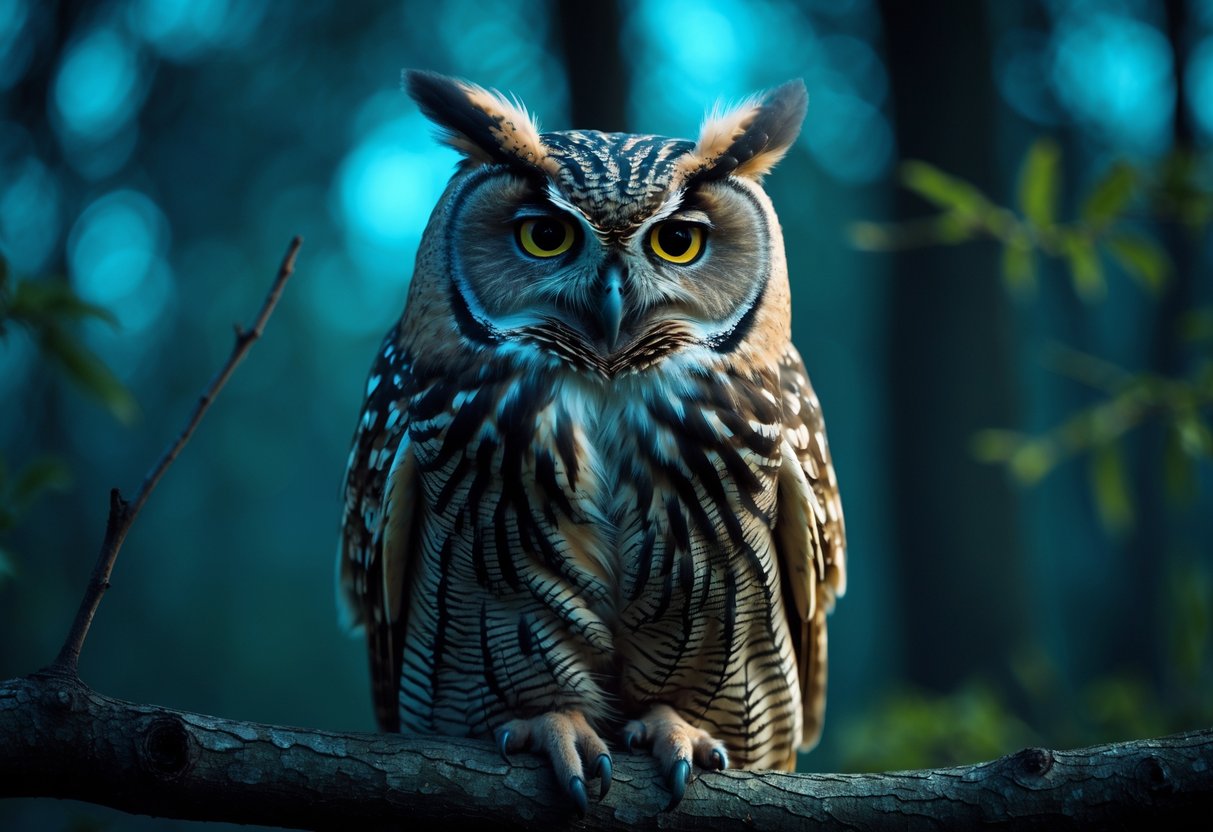
People have linked owls to uneasy feelings and negative ideas in a bunch of different places. These views come from old stories, religious beliefs, what people eat, and how owls show up in books and movies.
Cultural Myths and Superstitions About Owls
It might surprise you, but some cultures see owls as signs of bad luck or even death. In parts of North America, tribes like the Cherokee and Lakota believed that owls—especially the Great Horned Owl and Screech Owl—could be spirits of the dead or shape-shifters.
If someone saw an owl during the day, they sometimes took it as a warning that death was near.
Their silent flight and creepy calls only add to the vibe. But not every tribe sees owls as bad news.
Some call them protectors or symbols of wisdom. Whether you think owls are scary or sacred really depends on what stories you grew up hearing.
Historical Religious and Dietary Views
Way back, some religions and cultures had pretty strong feelings about owls. Some groups refused to eat them, thinking owls brought bad omens.
Owls got linked with night, mystery, and death, more than birds like eagles or bats.
In parts of Europe and among Native Americans, people often connected owls with darkness, danger, or evil. You might even find ancient laws or customs warning against killing or disrespecting owls—sometimes out of fear, sometimes because they respected the mystery.
Owls in Folklore and Popular Culture
You’ve probably noticed owls popping up in fairy tales or movies. Usually, they’re cast as spooky creatures or wise guides.
Folklore sometimes paints them as omens or even witches in disguise. The horned owl, with its pointy tufts, especially gets that eerie treatment.
In pop culture, owls can seem mysterious, a little creepy, or even magical. Their silent flight and weird calls make them perfect for ghost stories.
Still, plenty of stories show owls as gentle helpers or symbols of knowledge. So, how you feel about owls often depends on which stories stick with you.
If you’re curious about how owls show up in Native American culture, you can check out more here.
Real-World Controversies: Owls and Their Impact
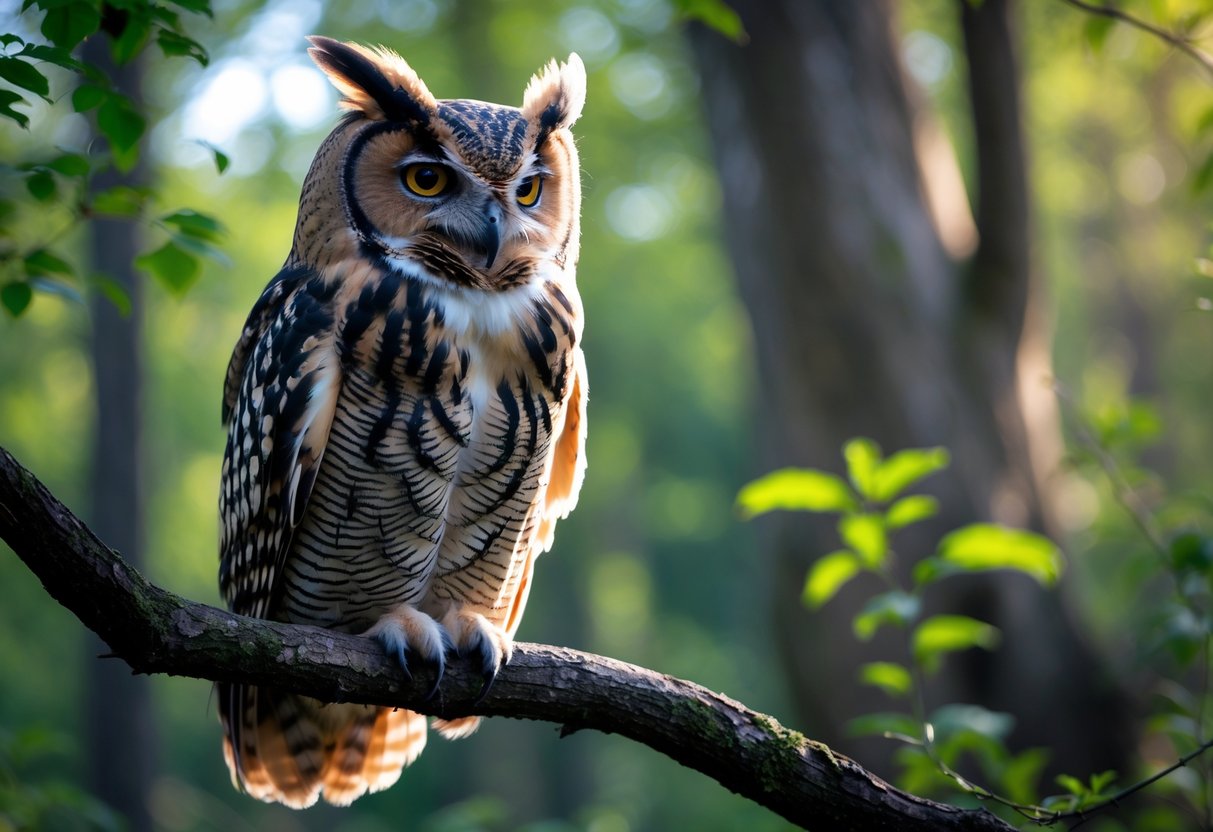
Owls sometimes shake things up in the wild, especially when one species moves into another’s territory. People have to make tough choices about protecting native animals and managing competing species.
Let’s talk about how barred owls threaten native birds, what’s being done to help spotted owls, and how the U.S. Fish and Wildlife Service deals with all this.
Barred Owls and Threats to Native Species
Barred owls act bigger and bolder than spotted owls. When they show up in spotted owl territory, they take over the best nests and chase off—or even kill—the spotted owls.
This behavior pushes the northern spotted owl closer to extinction in some parts of the Pacific Northwest.
Barred owls didn’t start out in this region, but they’ve slowly moved west. Their arrival makes things tough for spotted owls, since they compete for food and space, making it hard for the locals to survive and raise their chicks.
Northern Spotted Owl Conservation and the Endangered Species Act
The northern spotted owl gets protection under the Endangered Species Act because its numbers keep dropping. In the 1990s, people set logging limits to save its old-growth forest home.
Even with these rules, spotted owls keep vanishing, partly because of habitat loss and the constant pressure from barred owls. The law tries to keep endangered species safe, but saving spotted owls has been a real challenge since barred owls keep pushing in.
U.S. Fish and Wildlife Service Management Strategies
The U.S. Fish and Wildlife Service wants to control barred owl numbers to help spotted owls survive. Their plan lets federal, state, and tribal groups remove nearly half a million barred owls over the next 30 years.
They hope this will give spotted owls a better shot by cutting down on competition. Still, this approach stirs up a lot of debate since it means killing barred owls—some folks say that clashes with what conservation should stand for.
Even so, the agency insists they have to do it to protect the endangered northern spotted owl. Is there really any other way? It’s a tough call.
You can read more about the issue on the Audubon site about the northern spotted owl.


