
People usually see owls as fierce hunters with not much to fear. Still, you might wonder—what actually eats an owl? Owls, especially their eggs and young, can end up as prey for foxes, snakes, hawks, eagles, wildcats, and raccoons. Adult owls usually stay safe, but their nests and owlets? Not so much.
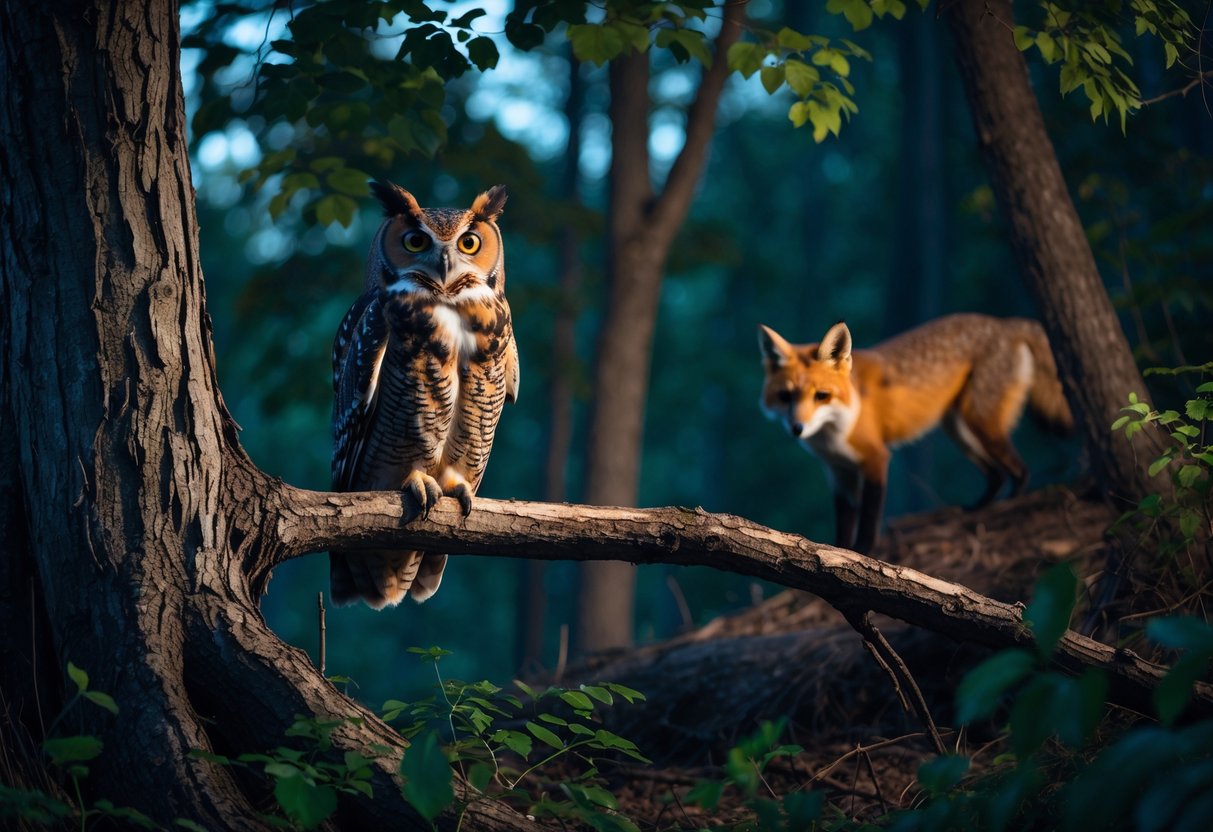
Different owl species live all over the place, so their predators depend on their habitat and size. Ground-nesting owls face more attacks from snakes or wildcats. Bigger owls sometimes deal with eagles or hawks. Sometimes, owls even compete with or hunt each other. Nature can be surprisingly harsh!
Learning who eats owls gives you a better sense of how wild ecosystems work. It also helps explain why owls rely on sharp claws, sneaky flight, and camouflage to stay alive. Curious about how they pull it off? Let’s check out which animals prey on owls and how these birds fight back. Want more? There’s a good breakdown on owl predators at A-Z Animals.
Natural Predators of Owls

Owls face threats from all sorts of animals, and it really depends on where they live and how big they are. Some birds can hunt smaller owls, while mammals and reptiles go after eggs or injured birds. When you know who’s after them, you start to see how tough it is for owls to make it in the wild.
Birds of Prey That Hunt Owls
Big birds of prey sometimes see smaller owls as food or rivals. Great horned owls don’t hesitate to hunt other owls, like barred owls or long-eared owls. They act aggressively, sometimes chasing smaller owls away or even killing them.
Hawks and buzzards also go after owls. Even snowy owls or great gray owls, being on the larger side, might attack smaller species.
These raptors usually hunt at dawn or dusk, which is when owls can get caught off guard. If you spot a little owl, it’s probably watching the skies for these big hunters.
Mammalian Threats to Owls
Foxes and raccoons cause big problems for owls, especially when nests are close to the ground or in low tree holes. They raid nests, looking for eggs or helpless owlets.
Domestic cats and weasels sometimes sneak up on owls, mainly the babies that can’t fly yet. If an adult owl gets injured or grounded, it becomes an easy target.
Foxes have been known to grab adult owls if they get distracted or hunt too close to the ground. If you’re hoping to help owls out, keeping cats inside and putting nest boxes high up makes a difference.
Reptiles and Other Predators
In warmer places, snakes are a real threat to owls. Rat snakes and gopher snakes climb trees or crawl into burrows to eat owl eggs or chicks. This happens a lot to barn owls since they nest in pretty accessible spots.
Big lizards can go after burrowing owls, especially those that live in deserts or fields.
Crows and ravens don’t usually eat owls, but they do mob them during the day. Sometimes, they steal eggs or just stress out nesting owls, which doesn’t help their odds.
Factors Affecting Owl Vulnerability
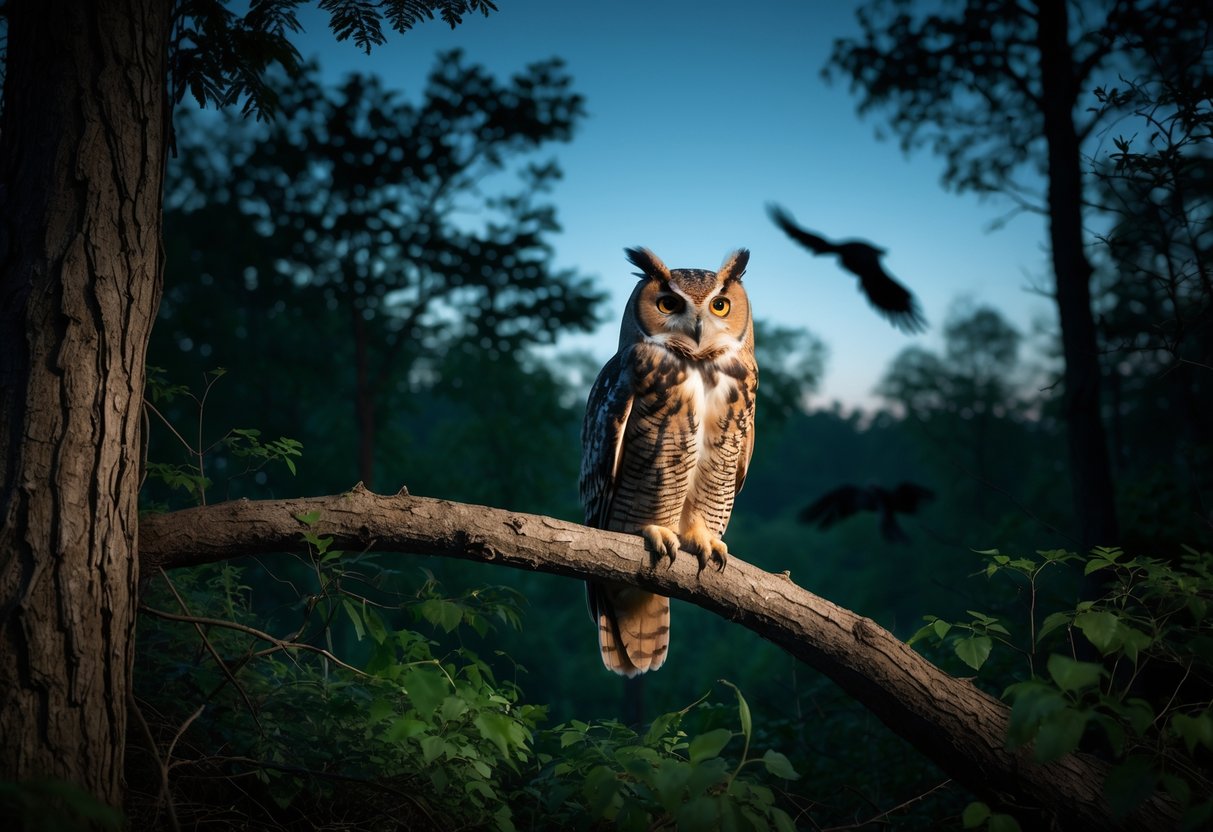
Owls deal with different risks based on their size, behavior, and where they live. Some get hunted more than others, and eggs are always at risk. These dangers change as owls grow up and depend a lot on their surroundings.
Age and Life Stage Risks
Young owls—eggs and owlets—are way more vulnerable than adults. Adult owls like great horned owls and barn owls can defend themselves with sharp talons and silent flight. The young ones can’t escape as easily.
Predators such as foxes, snakes, wildcats, and raccoons often go after nests when the adults are out hunting. Eggs and owlets can’t fly or fight back, so they’re easy pickings. This stage is basically the riskiest time in an owl’s life.
Adults usually manage to stay safe, but if they’re weak or hurt, predators might get them too.
Nest Predation and Egg Threats
Where owls build their nests really matters. Some, like short-eared owls, nest on or near the ground, making it much easier for snakes, wildcats, and foxes to find them.
Eggs are most at risk when the parents leave the nest. Snakes and raccoons can sneak in and eat eggs or owlets before they’re strong enough to fly.
Tree-nesting owls have a bit of an edge, but climbing predators still find their way up. Good camouflage and careful parenting help, but honestly, lots of eggs get lost to predators every season.
Competition and Aggression Among Owls
Owls often compete with each other for hunting spots and food. This competition can get pretty aggressive at times.
Great horned owls, for example, sometimes attack smaller owl species to defend their territory or protect food sources. It’s not always a peaceful scene out there.
Sometimes, owls even prey on each other. They’ll catch and eat weaker or younger owls, especially if food is running low.
Hearing a hoot nearby? That might be a warning or a challenge to other owls. These calls help owls mark their territory, but they also remind us that owls face threats from their own kind, not just from other animals.
See more about what animals eat owls at A-Z Animals.


