
Ever wondered if owls sleep lying down like people do? You’re definitely not the only one. The answer’s pretty simple: adult owls don’t usually lie down to sleep—they sleep standing up. But baby owls? Well, that’s a whole different story.
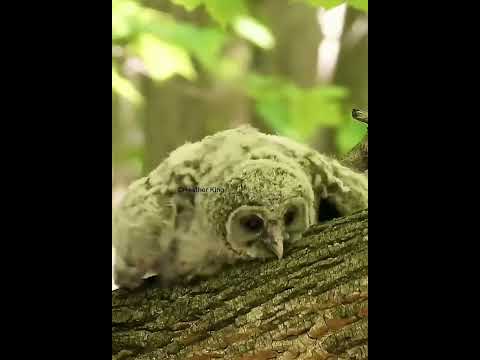
Baby owls often end up sleeping on their stomachs because their heads are just too heavy to keep upright. This position actually lets them rest more comfortably and safely, especially while their neck muscles are still getting stronger. It’s kind of surprising, right? Most people picture owls perched way up on a branch, even when they’re dozing.
Owls have some pretty interesting ways to stay safe while catching some sleep, whether they’re standing or lying down. If you’re curious about how owls actually rest—and why baby owls look so adorable when they sleep—stick around.
How Do Owls Sleep?

Owls sleep in different ways depending on their age and species. Most adult owls just stand and grip branches tightly while they sleep.
Baby owls, though, lie on their stomachs because their big heads need extra support. Some owls even develop unique habits based on where they live or how they keep safe.
Typical Sleeping Postures in Adult Owls
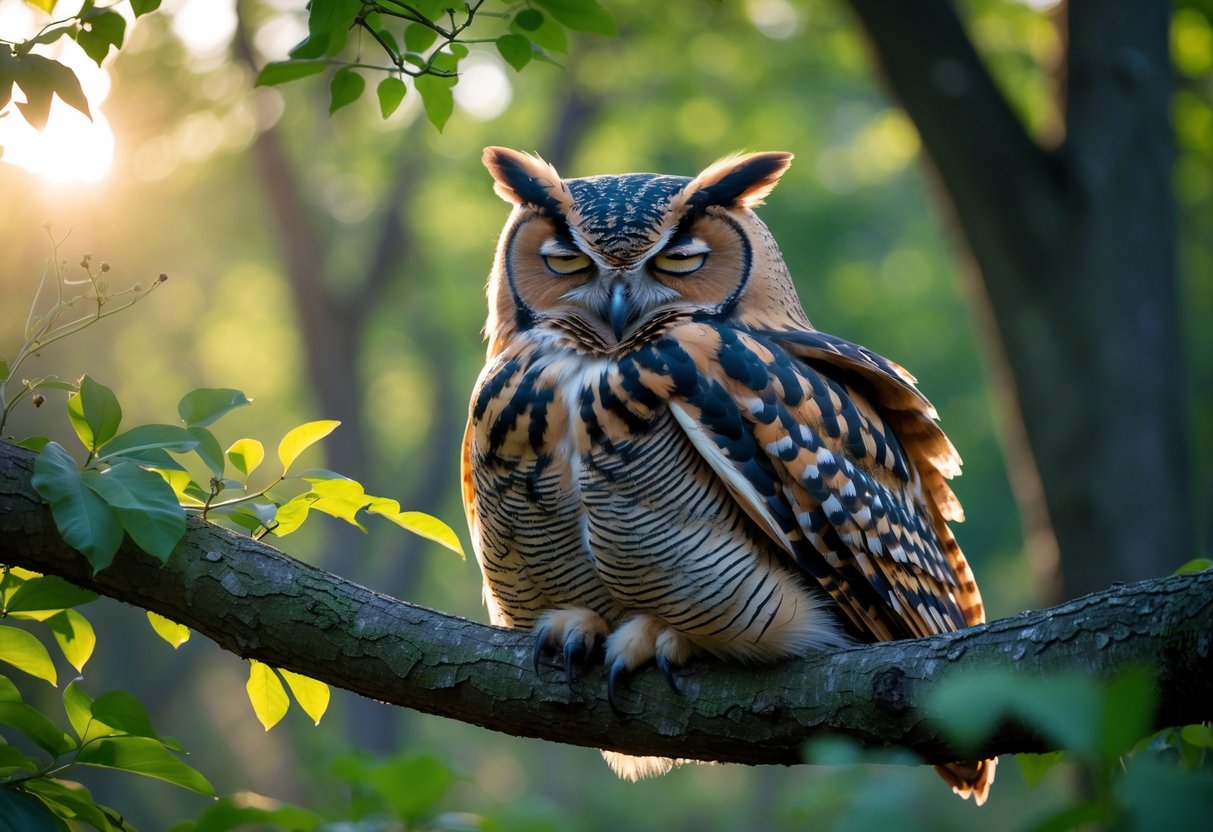
Adult owls almost always sleep standing on a branch. They tuck their legs under and use a special claw—the hallux—to grip the branch. This grip keeps them steady, even if they drift into a deep sleep.
Sometimes, owls tilt or lean their heads as they rest. If you spot an eastern screech-owl or a long-eared owl sleeping during the day, you’ll probably notice this. They usually hide in hollow trees or thick leaves. With their eyes closed, they can sleep for 10 to 12 hours straight.
Since owls are nocturnal, they sleep during the day and stay tucked away in their chosen roosts to avoid being seen by predators.
Why Baby Owls Sometimes Sleep Face Down
Baby owls have big, heavy heads and weaker neck muscles. They end up lying flat on their stomachs to stay comfortable. To breathe easily, they just turn their heads to the side while sleeping.
You’ll often spot baby barn owls and other owlets in this face-down position. They grip branches tightly with their claws so they don’t fall during naps.
This strong grip helps them feel safe, even if they’re sleeping on a thin branch.
Sleeping like this lets baby owls get the rest they need to grow and develop their brains.
Unique Sleeping Behaviors by Species
Some owls have sleep habits that change depending on their species or environment. Barn owls, for example, prefer quiet spots like barns or tree cavities where they can stay hidden.
Long-eared owls usually rest high up in dense trees, using thick branches for extra cover.
Snowy owls live in the Arctic, where daylight can last 24 hours in summer. They adapt by resting at different times of day.
Eastern screech-owls often roost in tree holes, but sometimes they sleep in leafy areas too. These places give them shelter from predators and a peaceful spot to nap.
Surprising Owl Sleep Habits in the Wild
Owls figure out how to sleep depending on how safe they feel and where they are. Their resting habits change with age, stress, and species.
It might seem odd, but most adult owls actually sleep standing up. There’s more to this than meets the eye.
Safety and Sleep Location Choices
Owls usually pick safe spots like hollow trees or thick branches for sleeping. These places keep them safe from predators and bad weather.
While resting, they often stand on one leg and fluff up their feathers to stay warm.
Baby owls do things differently. Since they can’t grip as well or hold their heads up, they lie flat on their bellies. This keeps them stable and helps prevent falls.
Barn owls especially pick cozy nests for their young, so the babies have a safe place to rest.
Observing Relaxed vs. Stressed Sleep
When owls feel safe and calm, they sleep standing, sometimes with their heads tilted or leaning. Their eyes close, and their bodies relax.
If an owl feels stressed or scared, it sleeps more lightly or even restlessly. Baby owls, especially, will lie face down when they’re really tired or don’t feel secure.
This position lets them rest their muscles and keeps them from tipping over, since their heads are so heavy.
Notable Species-Specific Examples
Barn owls usually sleep standing up, but they make sure to protect their young in a nest. When they’re still babies, barn owls just flop down on their stomachs until they get stronger.
Some wild owls in forests go for hollow trees when they need to roost. Others living out in open areas seem to prefer hiding out in thick branches.
Every species figures out its own way to sleep, depending on where it lives and how old it is.
Curious about how owls manage to sleep standing up or just lying down? You might want to check out this detailed guide on how owls sleep.


