
Owls are honestly some of the quietest birds around. You ever notice how they don’t make that flapping noise most birds do? Their secret comes down to their feathers, which are built in a way that really cuts down the sound of air moving over their wings. That’s how they manage to sneak up on prey—almost like ghosts in the night.

Their feathers have these soft edges and tiny comb-like bits that break up the usual wing-flap noise. Also, owls have surprisingly big wings for their bodies, so they just glide along slowly and barely make a sound.
This silent flight really gives owls an advantage when it’s time to hunt. If they made a racket, their dinner would bolt before they even got close. So, quiet wings? Pretty clever, if you ask me.
What Makes Owls Silent Fliers?

Owls fly quietly thanks to their unusual feathers and wings. Their flight stays slower and smoother than most other birds of prey, which helps them avoid making noise.
These special features let owls sneak right up on prey and listen hard for any tiny movement. It’s honestly kind of impressive.
Unique Structure of Owl Feathers
Owl feathers feel softer and more velvety than what you’d find on other birds. This texture soaks up sound instead of letting it out during flight.
The feathers are loosely packed, too, which cuts down on friction and stops the rubbing noises. Inside each feather, you’ll find tiny fringes that break up the airflow.
This little change lowers that rushing or swooshing sound you usually get when birds flap. If you picture sound as a wave, these feathers just sort of dampen it, so flying gets a whole lot quieter.
Other birds of prey don’t really need this feature, since they usually hunt in daylight. Owls, though? They need to be extra sneaky so they don’t scare off their sharp-eared prey.
Fringed Wing Edges and Fluted Primaries
The front edge of an owl’s wing has these comb-like fringes. They break the air into smaller streams, which makes less noise than big gusts.
The trailing edge of the wing holds soft fringes, almost like a built-in muffler. These smooth out the air as it leaves, stopping extra sounds from the back of the wing.
Primaries—the outer flight feathers—are fluted. This shape funnels air gently and cuts down on turbulence.
All these little tweaks mean you can barely hear an owl glide by, even if you’re listening for it.
Low-Speed Flight Adaptations
Owls have pretty large wings for their size, so they can fly slowly without much flapping. Less flapping means less air disturbance, and that equals less noise.
Some, like the Barn Owl, can glide along at just two miles per hour. That’s almost slow-motion.
This slow, quiet flight gives owls a real edge when they’re sneaking up at dusk or in the dark. They focus on stealth, using those steady wingbeats and special feathers to stay nearly silent.
If you’re curious, check out this detailed overview for even more about how owls pull this off.
Barn Owls: Masters of Silent Hunting
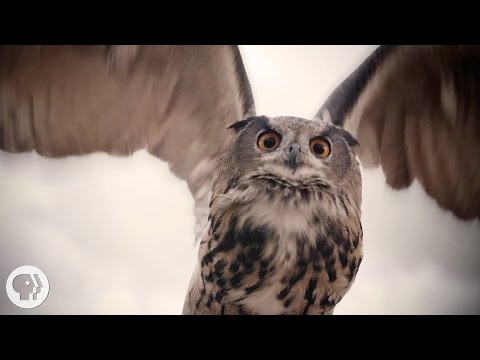
Barn owls really take silent flight to another level. Their quiet, smooth approach lets them sneak up without a sound.
Their wings and feathers are packed with features that cut down on noise. Flying silently also helps barn owls pick up on the faintest movements from their prey.
Barn Owl Wing and Feather Adaptations
Barn owls have wings and feathers that are just built for silence. The front edge of their wings looks like a comb, breaking up the air as it moves over and stopping noise before it starts.
The back edge has soft fringes to smooth out the air as it leaves. Their body feathers stay super soft, soaking up any stray sounds.
Their wings are big compared to their body, which lets them fly slow and gentle. Sometimes, they can go as slow as two miles per hour.
That slow, ghostly flight makes it easy to sneak up on prey without being heard.
How Silence Helps With Prey Detection
Barn owls fly almost silently, so they can pick up on the tiniest sounds from mice, rats, and other small creatures. Their wings barely make a sound, unlike other birds that might drown out the noises they need to hear.
When they approach without a sound, barn owls get much closer before their prey notices anything. That sneaky approach gives them a real edge during the hunt.
Silent flight lets barn owls zero in on the exact sounds they need, especially in the dark. Since they mostly hunt at night, this skill matters a lot.
Honestly, it’s no wonder they’re such impressive hunters. Want to dig deeper? Check out the Barn Owl adaptations page.


