
Ever wondered where little owls actually make their homes? You’re definitely not the only one. These small, clever birds don’t bother building the usual nests like so many others do.
Little owls often pick natural cavities—tree holes, rock crags, even rabbit burrows. Sometimes, they’ll move into old buildings or haystacks. Honestly, they’ll use almost anything that offers shelter.
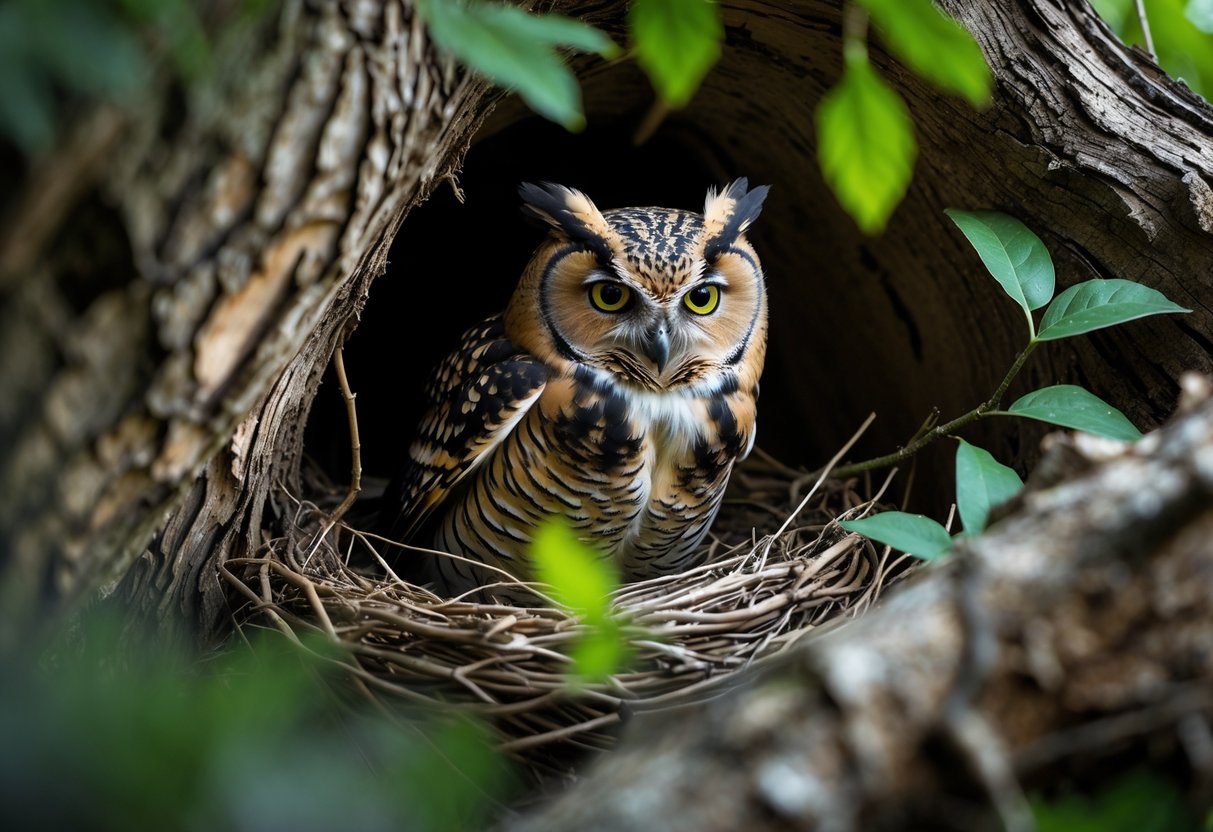
You might spot a little owl hanging out in open wooded areas or mixed farmland. They seem to like places where they feel safe and there’s plenty of food around.
Knowing their favorite nesting spots can really help you appreciate these birds—and maybe even spot one in the wild. Let’s look at the unique places little owls call home and how they pick their nests.
Where Do Little Owls Nest?

Little owls choose all sorts of places for their homes. They go for spots that offer safety and a bit of shelter.
You’ll find their nests in natural cavities or even man-made places, depending on what’s around. They adapt surprisingly well to both quiet countryside and even busier spots.
Preferred Nesting Sites
Little owls usually go for holes in old trees or walls. They sometimes just take over a nest that another bird—like a magpie or crow—built first.
Those tree holes give them a decent amount of protection from bad weather and hungry predators. Sometimes, they’ll pick a nook in an old building or barn.
You might even spot them tucked into rock crevices or the abandoned nests of larger birds. They always look for spots close to open fields, where they can hunt insects and small mammals.
Nesting in Urban vs Rural Areas
In the countryside, little owls mostly stick to natural cavities or old farm buildings. These spots are quieter, with more natural food and fewer interruptions.
The countryside gives them the cover and calm they need to raise their young. In towns or suburbs, little owls get creative.
They’ll squeeze into gaps in walls, roof spaces, or other small places in buildings. As long as there’s enough green space and good hunting nearby, they’ll make do.
Urban nests face more risks, like people or pets. If you spot one, it’s best to watch quietly and keep their nest safe.
Common Materials Used for Nests
Little owls don’t bother building fancy nests with lots of twigs or leaves. They just use what’s already inside the cavity or spot they’re using.
You might find feathers, animal fur, or a bit of dry grass in there. Sometimes they’ll line the nest with softer stuff to keep the eggs warm.
They don’t fuss over an elaborate nest—safe, ready-made spots are good enough for them. If you want to help, try putting up a bird box with some straw inside for a cozy home.
You can check out more about their nesting habits at The Barn Owl Trust’s page on Little Owl facts.
Little Owl Nesting Behaviors

Little owls pick small, dark cavities for their nests. You’ll find them using tree holes, rock crevices, old buildings, or even rabbit holes.
Their approach to breeding and raising young shows a lot of careful timing and teamwork.
Breeding Season Timing
Little owls usually kick off breeding in early spring—think March or April. The female lays about 3 to 6 eggs over a couple of weeks.
The eggs hatch after roughly 26 to 28 days of incubation. During this time, the female mostly stays inside to keep the eggs warm.
Breeding usually wraps up by July. That gives the young owls enough time to learn to fly before autumn rolls in.
If conditions are really good, some pairs might even raise a second brood.
Parental Roles in Nesting
If you’ve ever watched little owls, you’ll probably spot the male hustling around to feed his family. While the female stays put to incubate and guard the eggs, the male heads out hunting for food and brings it back. That way, the female can just focus on keeping those eggs warm.
Once the chicks hatch, both parents jump in to feed the hungry little ones. You’ll often see the male perched nearby, keeping an eye out for trouble, while the female feeds the chicks.
This split in duties gives the young a better shot at growing strong enough to leave the nest.
Thinking about attracting little owls? Try putting up a nestbox if your area doesn’t have many natural cavities.
If you’re curious, there’s a lot more about their nesting habits in guides like the Little Owl facts – The Barn Owl Trust.


