
Spotting an owl? That usually means something’s up—at least, if you listen to the old superstitions. Lots of people think owls are signs of change, warnings, or even protectors, depending on where you’re from. Some folks picture owls as silent guardians of the night. Others? They get a little spooked and worry the owl brings bad news or trouble.
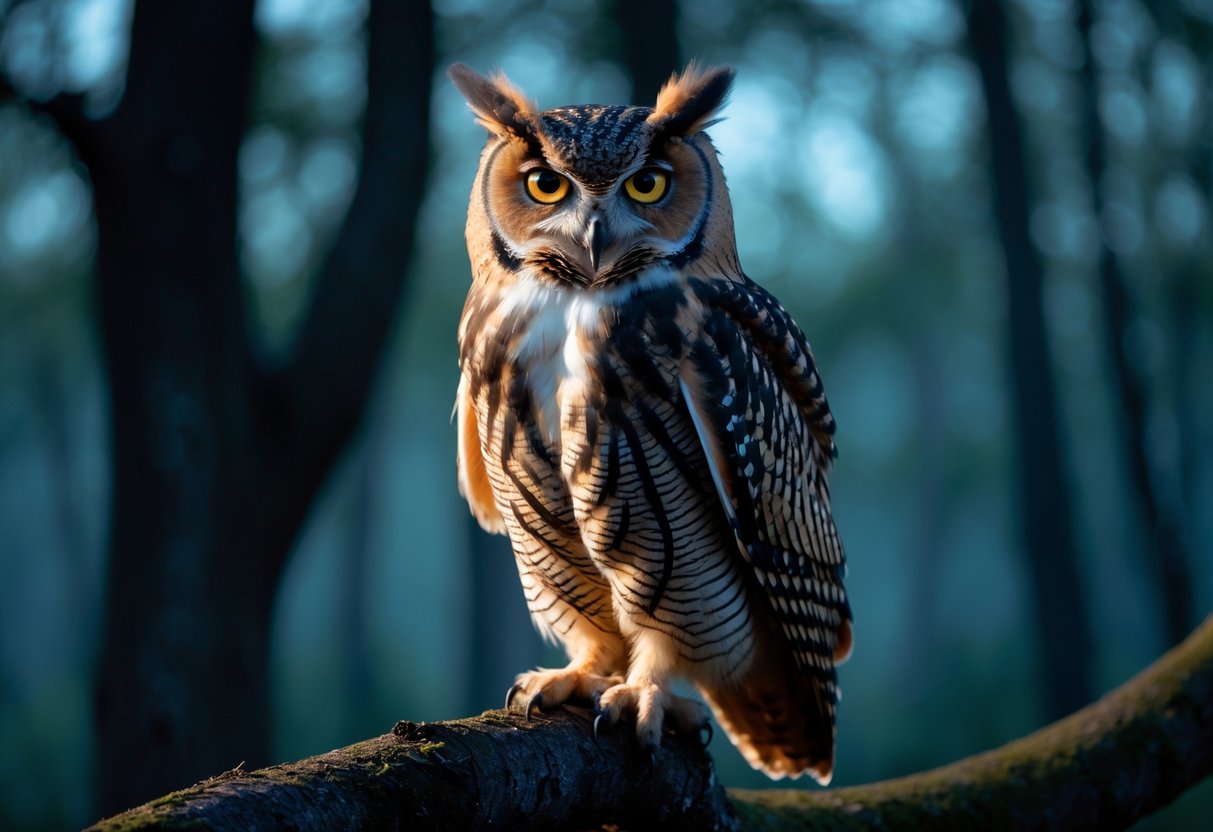
Your own feelings about owls might shift once you learn how different cultures see them. In some places, people connect owls to wisdom and guidance. Elsewhere, their hoots spark fears of loss or bad luck.
Getting to know these beliefs might change how you feel next time you spot one nearby. Maybe you’ll even feel a weird connection you can’t quite explain.
Curious about why owls have always fascinated us? There’s a lot of mystery and meaning wrapped up in these birds. For more on owl superstitions, check this out.
Common Superstitions About Owls

People have attached all sorts of meanings to owls, and it really depends on the culture and the moment. Some folks see them as warnings or danger. Others think of them as wise or even protective.
Let’s look at some of the most common beliefs about owls.
Beliefs Linking Owls to Bad Luck and Death
In a lot of places, people connect owls with bad luck or even death. If you hear an owl hooting at night, some say it means someone nearby could get sick or worse.
That idea probably comes from the owl’s quiet, mysterious vibe—it can be a little spooky, honestly.
People sometimes feel nervous when they see an owl flying close to their home. They might think the owl brings a message from the spirit world or a warning about trouble ahead.
These stories have stuck around for generations, even though nobody’s ever really proven them.
Owl Sightings as Omens
When you spot an owl, some folks take it as a sign that something big is coming. In old stories, owls bring messages that tell you to stay alert or watch for changes.
If an owl crosses your path, some believe you should get ready for news—good or bad, who knows?
Other times, people think owls guide you through tough spots in life. In certain beliefs, seeing an owl means you’re about to learn something important or gain some wisdom.
Honestly, it all depends on your background and what you’ve heard about owls.
Good Luck Symbolism in Certain Cultures
Not every owl story is a scary one. In some cultures, people see owls as symbols of good luck and protection.
If there’s an owl nearby, you might feel like someone—or something—is watching over you or helping you get smarter about life.
Some cultures treat owls as sacred animals, bringing knowledge and good fortune to those who respect them. You’ll even find owl symbols on homes, meant to keep away harm or help people make wise decisions.
So, sometimes, an owl can actually be a good sign for your future.
Want to dig deeper? Here’s a page on owl superstitions.
Owls in Folklore and Mythology

Owls have popped up in human stories for thousands of years. You’ll see them show up as wise, mysterious, or sometimes downright creepy in all kinds of cultures.
Legends often tie owls to big ideas like death, protection, and change.
Owl Symbolism Around the World
Owls stand for all sorts of things, depending on where you are. In some cultures, people see them as symbols of wisdom and knowledge.
Ancient Greeks, for example, linked owls to Athena, the goddess of intelligence.
But in other places, people think owls mean danger or bad luck. Some Native American tribes believed an owl’s hoot warned of death or trouble nearby.
In parts of Africa, people worry that owls bring misfortune or even evil spirits.
Still, not every owl story is scary. Some folks see owls as silent protectors, keeping watch over homes and families at night.
Ancient Legends and Cultural Origins
Owls show up in old stories all over the world. Early myths often connect them to the unknown and the night.
Since owls hunt after dark, people used to think they had special powers over life and death.
In English folklore, people linked the Barn Owl to dark magic and death. Poets like Wordsworth used owls to symbolize mystery and the supernatural.
Native American stories sometimes describe owls as spiritual guides or messengers, helping connect people to the spirit world after dark.
It’s kind of amazing how owls can represent both fear and respect, depending on who’s telling the story.
Changing Perceptions of Owls Over Time
How do you see owls? Well, it kind of depends on where and when you grew up.
Back in the day, lots of people thought of owls as bad omens or strange creatures lurking in the dark. That reputation made folks pretty uneasy around them.
Now, things have shifted. People often connect owls with wisdom or even a sense of balance in nature. Science has stepped in and explained a lot about how owls actually behave, which has chipped away at some of those old myths.
You might think of owls as vital parts of healthy ecosystems, or maybe as symbols of knowledge. Still, those old superstitions haven’t totally vanished.
Whether you find owls mysterious or just plain fascinating, their place in our stories is hard to ignore.
If you’re curious, you can dive deeper into their cultural roles in owls’ mythology and culture.


