
If you want to figure out what kind of owl you’re looking at, start with the basics—size, ear tufts, eye color, and feather patterns.
Check if the owl has ear tufts or a round head. Notice the color of its eyes and bill; those details can really speed up the process.

Listen for owl calls. Some owls hoot, others screech, and a few even bark.
Where you are matters. Certain owls stick to forests, while others like open fields or even city parks.
Think about the time of day. Most owls hunt at night, but some are up at dawn or dusk.
If you combine what you see, what you hear, and where you are, you’ll get much closer to figuring out which owl you’ve found.
It’s actually a pretty fun way to learn more about these amazing birds. If you want more tips, this Owl ID Guide is a solid place to start.
Essential Features for Identifying Owls

When you see an owl, focus on its colors, size, and the shape of its face.
Notice when it’s active and what it’s up to. Those little things can tell you a lot.
Plumage and Color Patterns
Owls really stand out because of their feathers. The Barn Owl (Tyto alba), for example, has pale, ghostly white feathers with a bit of gold on its back.
The Great Horned Owl is way darker, with brown feathers and lots of streaks and spots.
Look for bars, stripes, or spots on their chest and wings. The Barred Owl has horizontal bars across its chest and vertical streaks on its belly.
The Snowy Owl is mostly white, with a few black or brown patches—perfect for hiding in the snow.
Notice if the feathers are bright or kind of dull. The Boreal Owl has soft brown and white patterns that let it blend into the woods.
Color and pattern are usually the fastest ways to tell owls apart from far away, especially if they’re sitting still.
Facial Discs and Eye Color
The shape of the facial disc is a big deal with owls. It’s that circular or heart-shaped area of feathers around their face, and it helps them hear better.
The Barn Owl’s face looks like a heart, while the Great Gray Owl has a big round disc with rings that almost look like a bullseye.
Eye color helps too. You’ll see yellow eyes on the Great Horned Owl and Barred Owl.
The Barn Owl and Northern Hawk Owl have dark eyes. Some, like the Long-eared Owl and Short-eared Owl, have orange or yellowish eyes.
Ear tufts aren’t actually ears. They’re just feathers, and some owls can stick them up or lay them flat.
The Long-eared Owl shows off tall ear tufts, but the Snowy Owl doesn’t have them at all.
Size, Shape, and Silhouette
Owls come in all sizes, from tiny to huge. Compare the owl to something familiar, like a crow or a pigeon, to help estimate.
The Great Horned Owl stands about 18 to 25 inches tall—definitely one of the bigger ones.
Shape matters too. Some owls, like the Barn Owl, have slim bodies.
Others, like the Great Gray Owl, look big and round, with thick bodies and a giant head.
Check out the wings and tail. The Northern Hawk Owl has a long tail and a slim body, and it flies kind of like a hawk during the day.
The shape of an owl against the sky or a tree can give you a quick hint about its species.
Nocturnal Behavior and Activity
Most owls are out at night, but their habits can help you ID them. The Great Horned Owl usually gets active from dusk to midnight, and its deep hoot carries pretty far.
Some owls break the rules and hunt during the day or twilight. The Northern Hawk Owl hunts in daylight, which is rare for an owl.
The Short-eared Owl likes to fly low over fields at dawn or dusk, making it easier to spot.
Listen for their calls. The Barn Owl lets out a spooky screech, while the Barred Owl belts out a loud “who cooks for you?” call.
Knowing when and where an owl hangs out really boosts your chances of spotting the right species.
If you want to dig deeper, the Complete Owl Identification Guide has loads of info.
Recognizing Specific Owl Species by Traits and Calls
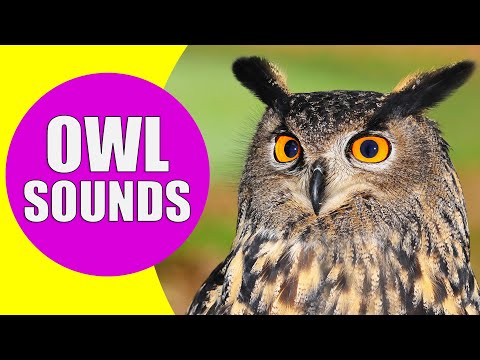
When you’re trying to ID an owl, pay attention to its size, head shape, eye color, and the sounds it makes.
Some owls have those ear tufts, others don’t. Where they live and how they hunt can also help you out.
Sometimes, just listening to their hoots or whistles will tell you what you’re dealing with before you even see it.
Great Horned Owl Distinguishing Characteristics
The Great Horned Owl is big and has those classic ear tufts that look like horns.
Its eyes are bright yellow, and there’s a white patch on its throat. The feathers are mostly brown and gray, with bars on the chest.
You’ll know it by its deep, booming “hoo-hoo-hoo” call. These owls hunt at night, going after rodents, rabbits, and even other birds.
You’ll find them in forests, woodlands, and sometimes near cities. They fly strong and switch between perching and flying to hunt.
Barn Owl Identification Cues
Barn Owls look really different. They’ve got a heart-shaped, white face and no ear tufts.
Their eyes are dark and set in a pale face that stands out in the dark. Their feathers are light gold or gray, often speckled.
Instead of a hoot, they let out a long, eerie screech. You’ll hear this near barns, fields, and farms at night.
Barn Owls hunt mostly for rodents, swooping low and silently over the ground. They’re part of the Tyto alba species, which makes them easy to tell apart from other owls.
Barred Owl and Other Notable Owls by Region
Barred Owls don’t have ear tufts. Their heads look round, and their eyes are a deep, dark brown.
You’ll notice their feathers—vertical bars cover the chest, while horizontal stripes run along the wings. Their call? It’s a slow, rhythmic hoot: “Who cooks for you? Who cooks for you all?” Kind of unforgettable, honestly.
People usually spot Barred Owls in wooded areas, especially anywhere near water. They’re most common in the eastern United States.
Let’s talk about some other owls you might run into, depending on where you are:
- Northern Saw-whet Owl: It’s tiny, has huge eyes, and its call is sharp and high-pitched.
- Snowy Owl: Mostly white with black spots scattered around. You’ll see them hunting in open, northern places.
- Northern Hawk Owl: These owls hunt a bit like hawks, thanks to their sharp eyesight. They stick to northern forests.
- Great Gray Owl: Big, with a round face and gray feathers. Their hoot is low and kind of haunting.
- Long-eared Owl: They sport ear tufts and a mottled brown pattern. They’re often hiding out in forests.
- Short-eared Owl: You’ll find these in open fields. They hunt low and fast, almost skimming the ground.
- Boreal Owl: Small, with spotted feathers. Their hoot is short, and they live in northern woods.
If you pay attention to these traits and listen for their calls, you’ll have a much easier time figuring out which owl you’re looking at.


