
Owls really are experts at hiding, which explains why you almost never see one—even if they’re right nearby. They stick to nighttime hours and rely on silent flight and their incredible camouflage to melt into the background during the day.
So, whether an owl sits quietly on a branch or swoops through the trees, you usually won’t notice. It’s almost like they’ve mastered the art of being invisible.
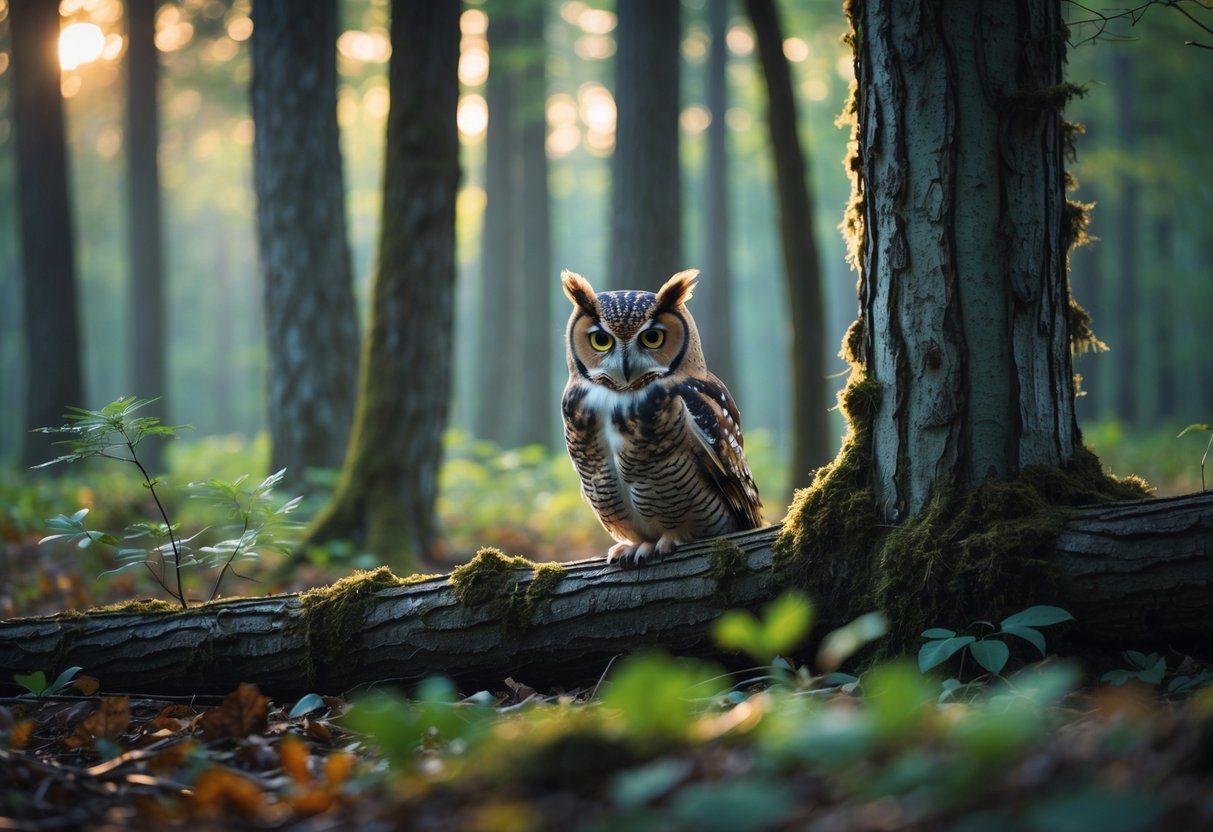
If you’ve ever gone looking for an owl, you probably realized just how still and quiet they can be. They avoid noise and people, picking peaceful spots far from busy places.
That explains why owls seem so mysterious. They just don’t want to be found.
You might stand a better chance of spotting one if you head out to remote areas or go looking at dawn or dusk. Learning about their habits can make your search a lot more interesting—and, honestly, more fun.
For more details, check out tips on why these birds are so hard to see.
Why Is It So Hard to Spot an Owl?

Owls are tough to find because they’re active at times when most people aren’t really paying attention. They blend into their surroundings and move around without making a sound.
Plus, there just aren’t as many owls as there are other birds, so your odds of seeing one are pretty low.
Nocturnal and Crepuscular Habits
Most owls are nocturnal. They hunt and move around at night, so you’re usually asleep while they’re wide awake.
Some owls prefer dawn and dusk—that’s called being crepuscular. These times give them the best shot at catching prey, but the low light makes it tough for you to spot them.
Since they avoid daylight, if you catch a glimpse of an owl during the day, you’re probably seeing one resting or hiding. Timing really matters if you want to see an owl out in the wild.
Exceptional Camouflage Techniques
Owls have feathers that match the colors and patterns of trees and leaves around them. This camouflage helps them hide when they rest in the trees.
Their bodies often look just like bark or dead leaves. It’s actually kind of amazing.
When they stay perfectly still, their camouflage works even better. That unmoving “branch” you see might actually be an owl.
Staying quiet and motionless keeps them safe from predators and helps them sneak up on prey.
Stealthy Silent Flight
Owls have special feathers that let them fly almost silently. The edges of their wings break up the air and reduce noise.
This silent flight lets them sneak up on prey. You won’t hear them coming, even if they’re close by.
Unlike other birds that flap around noisily, owls glide smoothly and quietly. They’ve really perfected the art of silent hunting.
Low Population Density
You won’t find as many owls as you do other birds. Some species only live in certain places, like old forests or quiet wetlands.
So, you need to be in the right spot at the right time to see one. Human activities like logging and building have shrunk their habitats, which makes them even harder to find.
Even experienced bird watchers get excited when they spot an owl. It’s a rare treat.
For more details on how owl habits affect their visibility, check out Why Is It Rare to See an Owl? Secrets of Elusive Owls Unveiled.
Factors That Make Owls Difficult to Observe
Owls are tough to spot because they pick places that are hard to reach, blend in so well, and choose hiding spots that keep them out of sight. Their behavior and choices help them stay hidden from both people and predators.
Preferred Remote and Dense Habitats
Owls usually go for quiet, dense forests or remote wild areas. These places have tall trees and thick undergrowth, giving them plenty of cover.
You won’t find most owls in open fields or busy cities. Some, like barn owls, adapt to farmland, but that’s not the norm.
Most owls avoid spots where humans hang out. Because these habitats are tough to explore, finding owls is honestly a real challenge.
Dense vegetation muffles sounds and hides them from view even more.
Mastery of Stillness and Concealment
Owls know how to stay perfectly still. If you get close, they freeze and use their feather colors to blend in with the tree bark or leaves.
Their feathers have patterns that break up their outline, making them look like part of the tree. This camouflage makes it really tough for you to spot them, even if you’re standing nearby.
During the day, owls barely move. They save most of their flights for the night.
So, if you’re searching during daylight, they’re almost invisible—just another lump in the branches, waiting for you to walk right past.
Selective Roosting Locations
Owls love picking out really specific places to rest during the day.
They’ll tuck themselves away in tree cavities, perch on thick branches, or hide in dense clumps of leaves.
Usually, they pick spots that shield them from bad weather, predators, and, well, nosy humans.
You’ll often find them high up, sometimes completely hidden behind a mess of leaves or deep inside a tree hole.
Trying to spot them by looking straight up? Honestly, that almost never works. You might catch a flash of feathers or a pair of eyes, but that’s about it.
If you want to get better at finding owls, you’ll need a lot of patience—and maybe a little luck. Knowing their favorite hiding places definitely helps.
For more tips on owl habits and spotting, you can check this guide on why owls are rare sightings.


