
Owls have a reputation for their incredible night vision, but have you ever wondered why they seem a bit awkward when the sun’s shining? Honestly, owls do see during the day, but their eyes are just made for low light, so bright daylight kind of throws them off. Their pupils barely shrink in sunlight compared to ours, so you’ll often catch them squinting or half-closing their eyes to keep things manageable.
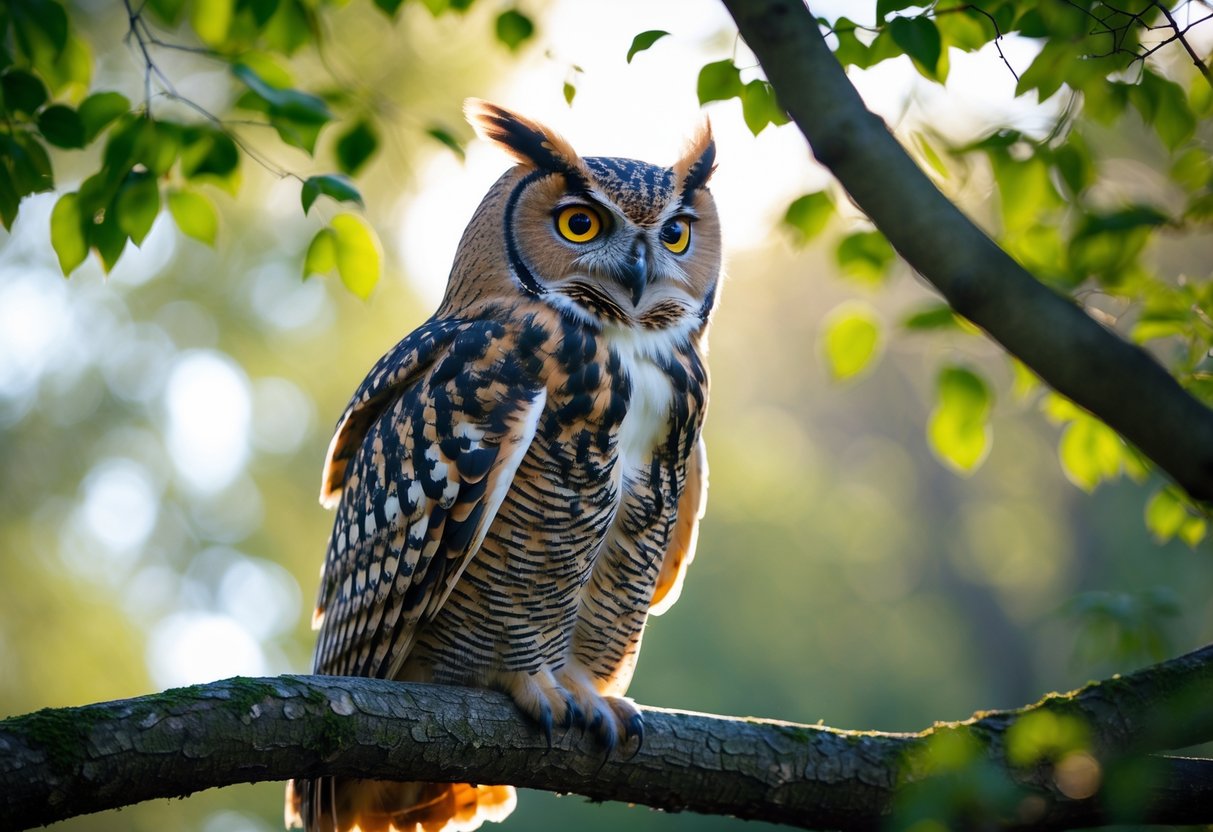
Some owls actually get active during the day, especially those with yellow or orange eyes. Their vision lets them hunt at night, but they still manage in daylight by adjusting how much light gets in. It’s pretty interesting—understanding these habits really gives you a glimpse into how they make it in the wild.
Curious about how owl eyes actually work? Or why sunlight can be such a challenge for them? Stick around for a closer look at these birds. You might want to check out this article from the American Bird Conservancy if you want even more details about owl eyes.
Why Can’t Owls See Well in Daylight?

Owls mainly use their eyes for night hunting, so daylight can feel like a bit much. Their big, light-hungry eyes and wide pupils help them see in the dark, but sunlight can overload their vision. To deal with this, owls rely on certain behaviors and unique eye features.
Nocturnal Adaptations of Owl Eyes
Barn owls and great horned owls, for example, have eyes that look huge for their head size. These big eyes pull in loads of light, which is perfect for spotting prey when it’s dark out.
But here’s something odd—owl eyes don’t move around like ours do. They’re stuck in place, so owls turn their whole heads, sometimes almost all the way around, to see what’s going on. It’s kind of wild, right?
Inside their eyes, owls pack in way more rod cells than cone cells. Rods help them spot movement and see in low light, but they can’t really pick up colors or sharp details. So, owls see great in the dark, but not so much when it’s super bright.
Impact of Bright Light on Owl Vision
When the sun’s out, the bright light just overpowers an owl’s eyes. Their pupils barely shrink, so they end up squinting or keeping their eyes partly shut to block it out.
There’s also this shiny layer in their eyes, the tapetum lucidum, that bounces light back to the retina for better night vision. During the day, though, this can scatter too much light and make things look blurry.
Some owls, like the barred owl or snowy owl, get by just fine in daylight and even hunt when it’s bright. Still, most owls find a shady spot or just chill until dusk, when their eyes really shine. You can dive deeper into how owls deal with daylight here.
Owl Species and Daylight Vision Differences

Different owl species have their own routines and vision quirks that affect how they see in daylight. Some prefer the night, while others hunt at dawn, dusk, or even right in the middle of the day. Eye color and other features can change depending on when they’re most active.
Owls Active During the Day Versus Night
Most owls, like the great horned owl or barred owl, stick to the night shift. Their eyes work best in low light, but they just can’t handle bright sunlight as well. Since their pupils hardly shrink, daylight feels a bit overwhelming, so they’ll often squint or keep their eyes half-closed.
Then there are owls like the snowy owl that don’t mind being up and about during the day. These guys usually have yellow or orange eyes, which help them deal with more light. Their eyes handle sunlight better, so they can hunt and stay alert even when it’s bright out.
Special Features of Burrowing Owls and Snowy Owls
Burrowing owls stand out because they’re often active both during the day and at night. Their eyes have adapted in interesting ways, letting them process light a bit differently than other owls.
They don’t have those huge eyes you see in night hunters, but they still manage to see well when it’s dim. Their smaller eyes actually help shield them from harsh sunlight, which makes sense since they live in open areas.
Snowy owls, on the other hand, are built to hunt in daylight and at night. Their yellow eyes give them an edge in bright light, which is pretty handy when they’re out on snowy landscapes.
Unlike most owls that lean heavily on night vision, snowy owls balance their sight to spot prey during the day or at dusk. That really sets them apart from classic night hunters like the barn owl.
For more about how owls see during the day, check out Owls can see during the day, but their vision is adapted.


