
Bees face a stacked set of dangers, and many of them work together. Some threats hit bees directly inside the hive, while others weaken their food supply, nesting options, and ability to recover after stress. The biggest risk is not one single danger, it is the combined pressure from parasites, disease, habitat loss, pesticides, and climate stress that chips away at bee health and pollinator health over time.
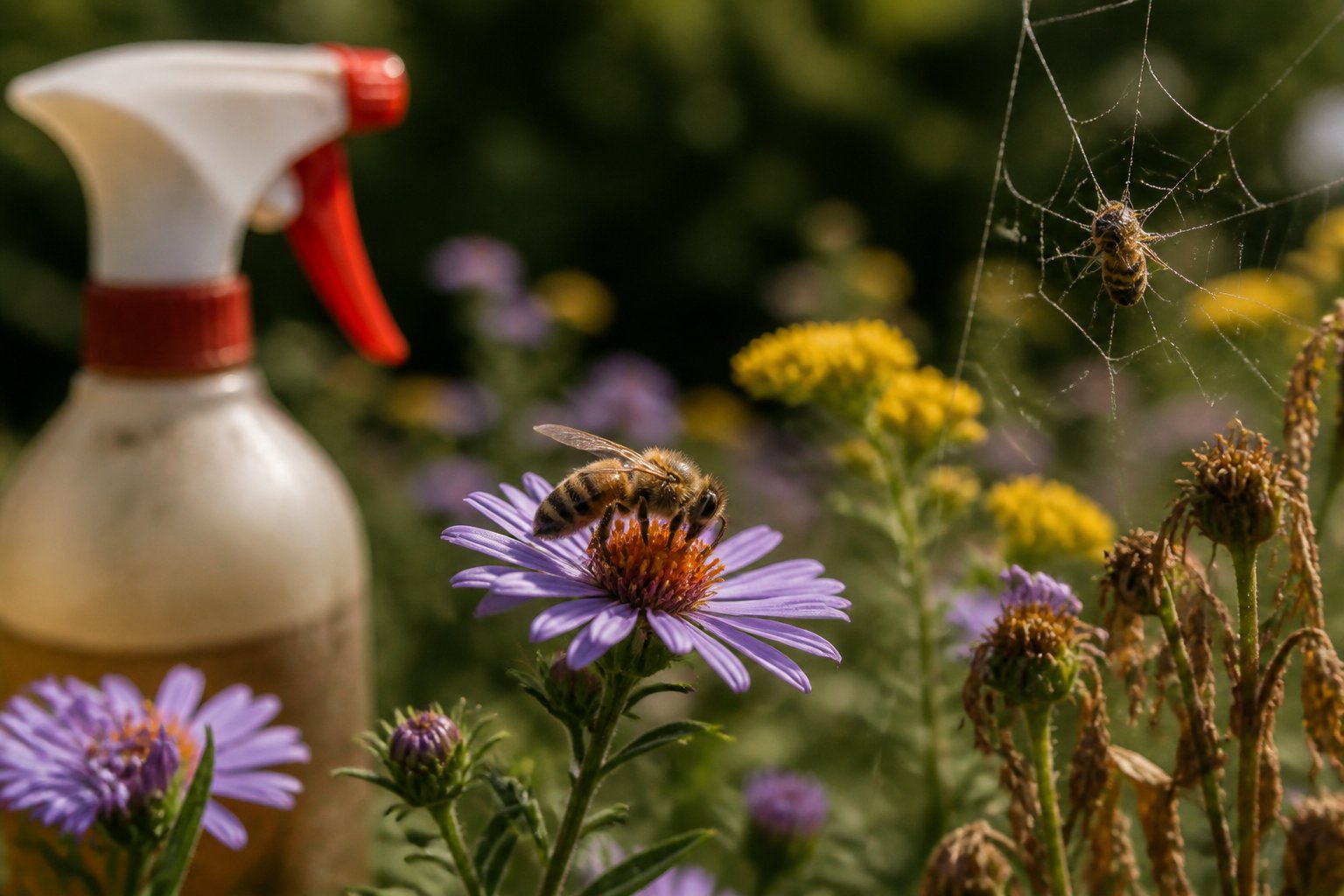
If you are asking what are the dangers bees face, the short answer is that bees, honey bees, native bees, and other insect pollinators are dealing with both biological threats and human-caused pressure. Those threats weaken pollination services, reduce biodiversity, and make pollinator decline more likely across farms, gardens, and wild landscapes.
The Biggest Direct Threats Inside And Around The Hive
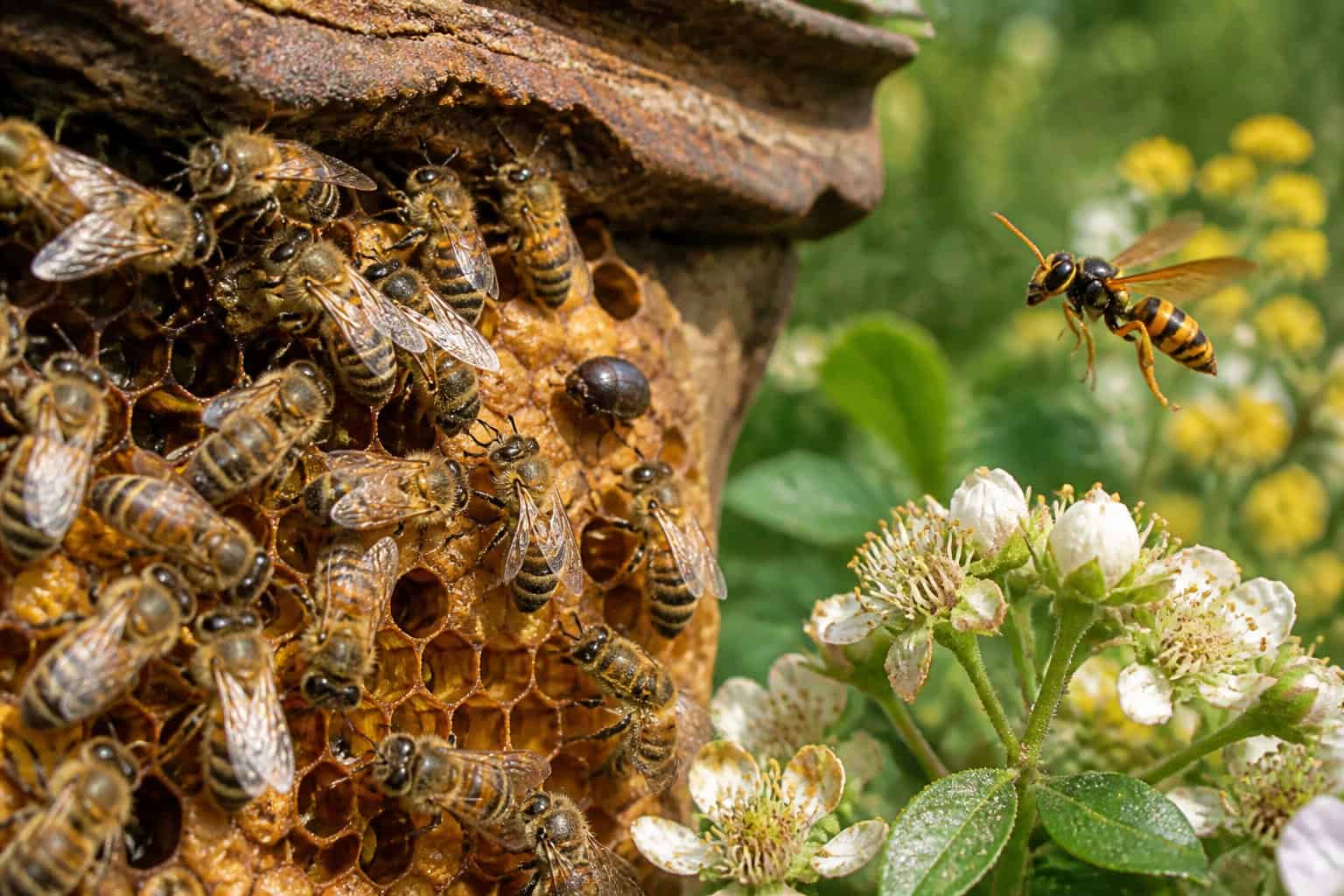
Inside the hive, a few pests and diseases can move fast and do serious damage. In my experience, once a colony is stressed, every small problem gets harder to contain.
Why Varroa Mites Are So Destructive
Varroa mites are among the most damaging threats to bees because they feed on developing and adult bees while spreading viruses. The varroa destructor can weaken colonies enough to trigger collapse, especially when it helps deformed wing virus spread through the hive.
Beekeepers often watch for early signs like patchy brood, weak adults, and bees that emerge with obvious deformities. Integrated pest management matters here, because quick monitoring and careful treatment timing can make the difference between a recoverable colony and a failing one.
Diseases That Weaken Brood And Colonies
Brood diseases are another major danger. American foulbrood, european foulbrood, chalkbrood, sacbrood, and nosema disease can all reduce colony strength by damaging developing bees or disrupting digestion and longevity.
American foulbrood is especially serious because it can persist and spread within equipment if it is not handled correctly. Tracheal mites, though less talked about now, also remain a concern because they interfere with breathing and can compound other stresses.
Other Pests That Exploit Weak Hives
Weak hives attract opportunists. Wax moths, small hive beetle, ants, and other pests can invade stored comb, steal food, and speed up collapse when a colony is already struggling.
These problems often show up after poor weather, famine, or parasite pressure. Once a hive is weakened, even colony collapse disorder can look less like one cause and more like a cascade of separate failures.
How Human Activity Makes Survival Harder
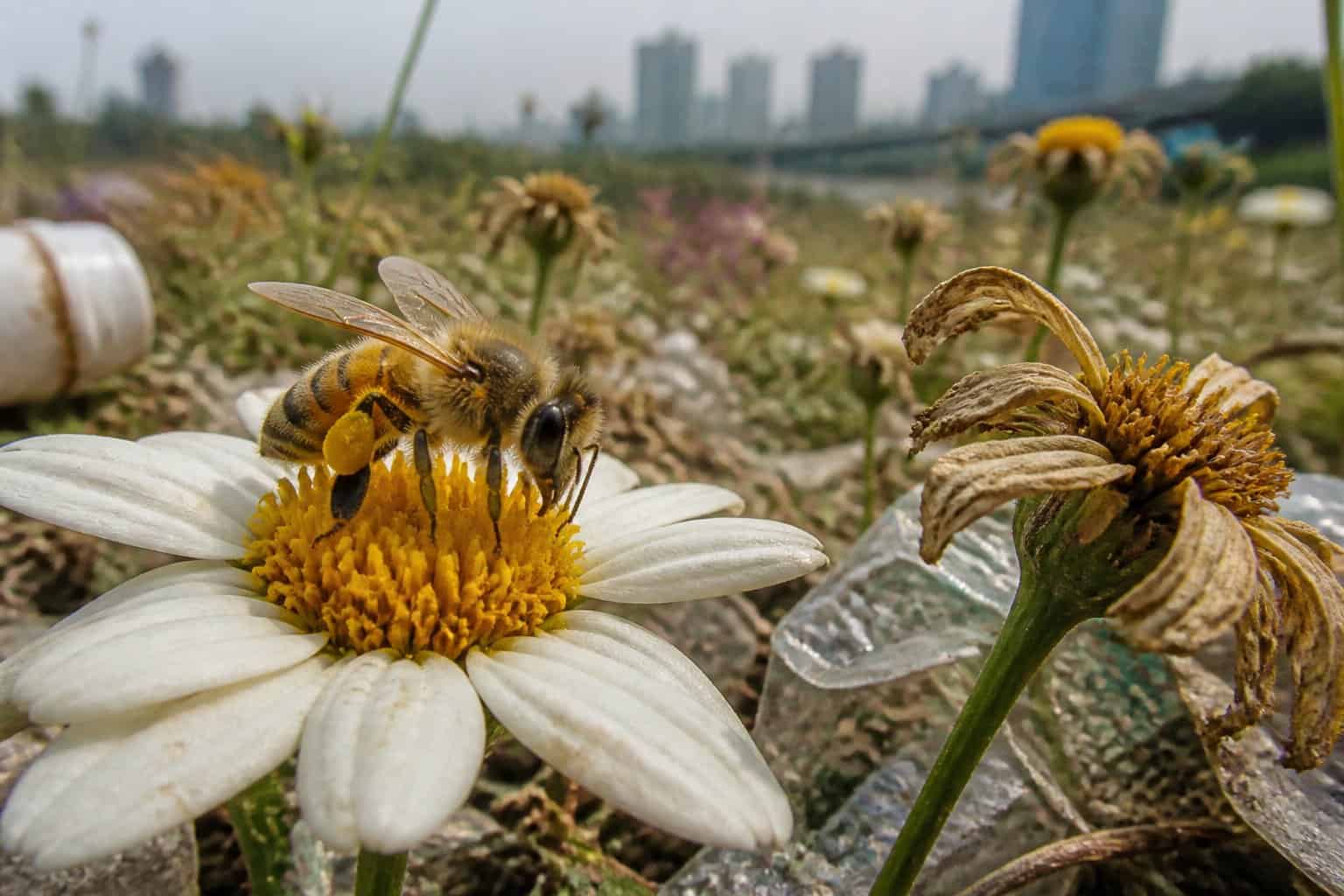
Human land use often removes the very things bees need to survive. Food, shelter, and clean foraging habitat can disappear at the same time, which leaves pollinators with fewer ways to rebound.
Habitat Loss And Fewer Places To Nest
Habitat loss cuts into both food and nesting sites. When lawns, parking lots, monoculture fields, and development replace native plants and wildflowers, bees lose nectar and pollen along with ground cover, stems, and cavities they use for nesting.
The best landscapes usually keep a mix of native plants, milkweed, and other pollinator-friendly plants blooming through the season. That diversity helps native bees and honey bees find steady food instead of short, risky bursts.
Pesticides, Neonicotinoids, And Residue Exposure
Pesticide exposure is a direct threat, and pesticide residues can linger on plants, soil, and water. Neonicotinoids are especially concerning because they can affect foraging, navigation, and colony behavior even when the dose is not immediately lethal.
I have seen the biggest problems in areas where spray timing and bloom timing overlap. The Museum of the Earth recommends reducing pesticide use and applying treatments when bees are least active, which is a practical step you can actually use in a yard or farm plan.
Invasive Species And Poor Landscape Diversity
Invasive species can crowd out native flowers and reduce the variety bees rely on. When the landscape becomes too simple, bees get less nectar and pollen and face a harder time building resilient colonies.
That is one reason biodiversity matters so much. More plant diversity usually means more stable bee food, better habitat, and fewer gaps in the season where pollinators are left hungry.
Climate, Nutrition, And The Compounding Stress Effect
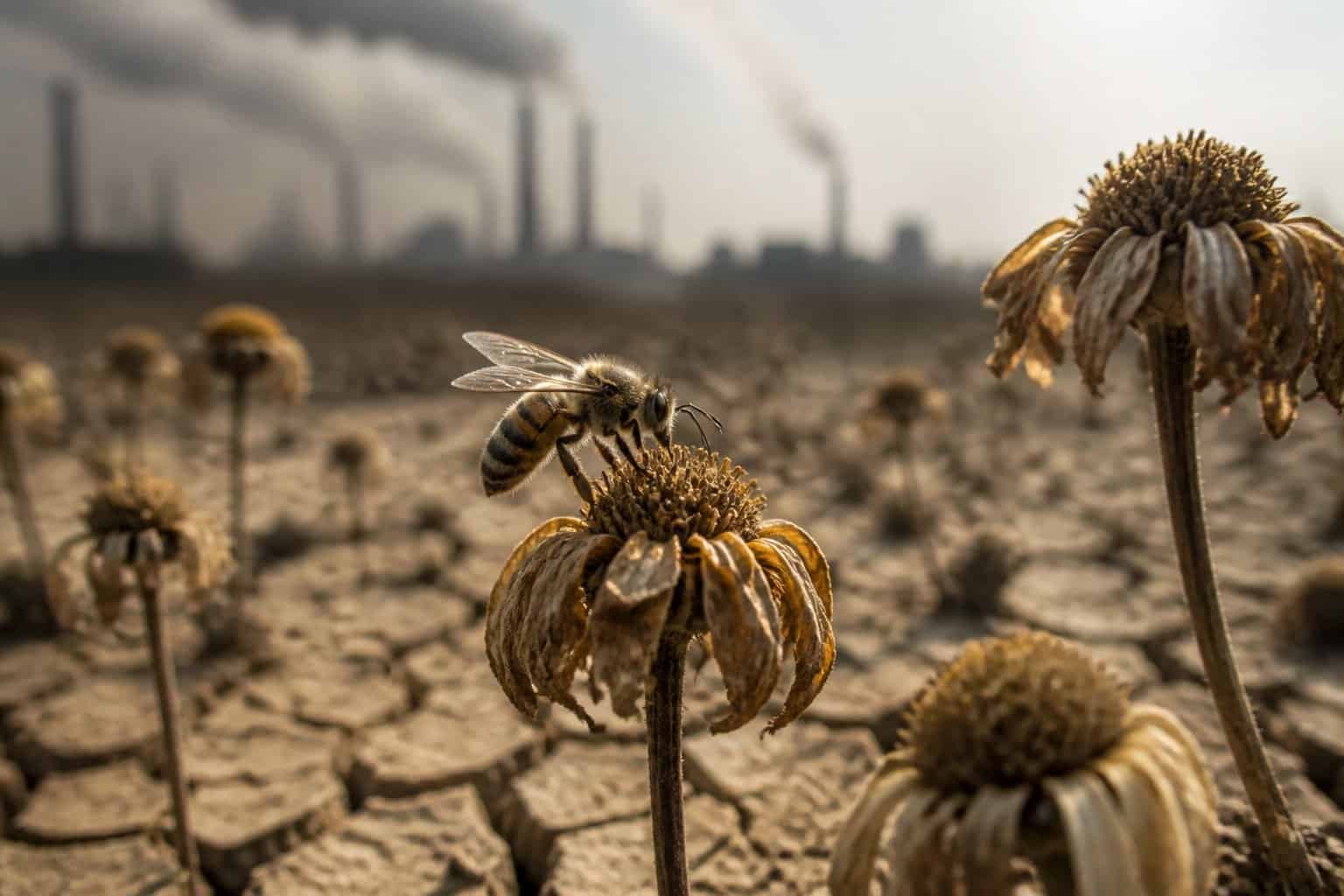
Climate stress rarely acts alone. Extreme weather, shifting bloom cycles, and poor nutrition stack on top of existing threats to bees and make recovery much harder.
Extreme Weather Events And Seasonal Disruption
Extreme weather events can disrupt foraging, damage nests, and interrupt normal colony activity. Heat, drought, flooding, and late frosts all change how bees move, feed, and rear brood.
These swings also make survival less predictable for species like the american bumblebee, which depends on seasonal timing just like other pollinators. When the weather becomes erratic, bee health and pollinator health tend to drop with it.
Flowering Times And Food Shortages
Flowering times are shifting in many places, and bees can miss peak nectar and pollen windows. If blooms open earlier or fade faster than usual, colonies may face food shortages even in landscapes that look green.
That matters most during nesting and brood rearing, when energy demand is high. A yard full of flowers is not enough if it blooms all at once and leaves the rest of the season empty.
Why Multiple Stressors Drive Pollinator Decline
The real problem is the combined effect. A colony facing mites, pesticides, habitat loss, and climate stress is far more likely to falter than one dealing with a single issue.
That pattern helps explain broader pollinator decline. As noted by Pollinator.org, habitat degradation, pests, pathogens, pesticides, land-use change, and climate change all push insect pollinators in the same harmful direction.
What Helps Bees And Pollinators Recover
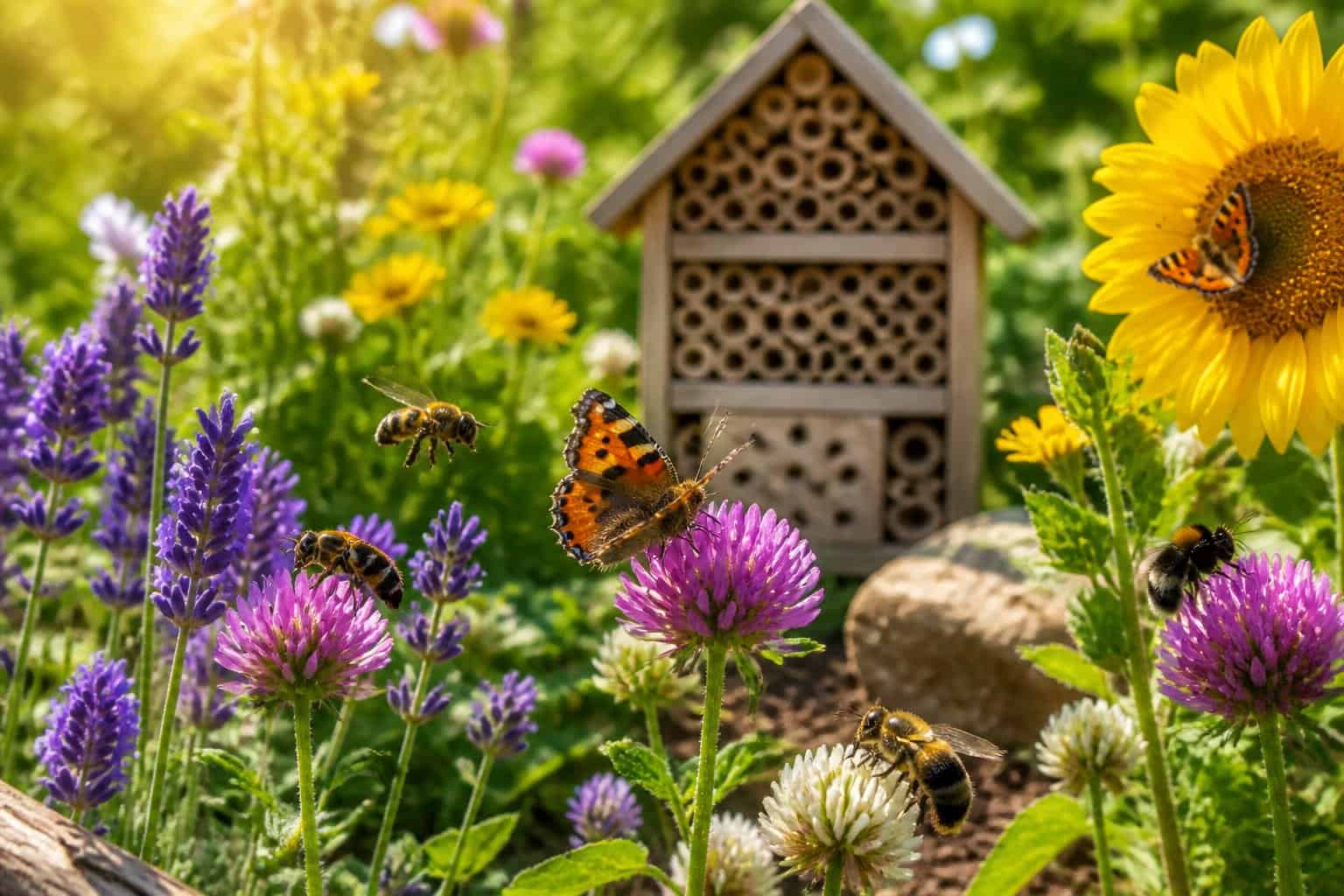
Recovery starts with more food, better nesting options, and fewer harmful inputs. Small changes in yards, farms, and public spaces can make pollination services more stable for both native bees and honey bees.
Creating Better Food And Nesting Habitat
A good pollinator garden gives bees a sequence of blooms from spring through fall. Native plants, wildflowers, and milkweed usually support more reliable nectar and pollen than heavily managed ornamentals.
Nesting sites matter just as much. Bee hotels, bare soil patches, hollow stems, and brushy edges all help, and a pollinator garden with varied structure is often more useful than a perfectly neat landscape.
Safer Yard And Farm Practices
Reduced pesticide use is one of the most practical steps you can take. If treatment is necessary, timing it outside peak foraging hours and choosing the least disruptive option lowers risk.
Integrated pest management helps you target actual problems instead of blanketing an area with chemicals. That approach protects pollinator health while still giving crops and gardens the care they need.
How Communities And Beekeepers Can Support Recovery
Community action scales fast when neighbors, land managers, and beekeepers work together. Programs like Pollinator Partnership encourage habitat restoration, and that kind of effort helps connect nesting and feeding areas across larger landscapes.
Beekeepers also play a critical role through regular monitoring, mite control, and careful hive management. When communities protect native bees, honey bees, and other pollinators together, the whole system becomes more resilient.


