
When you spot bees—especially honey bees buzzing around in summer—it’s smart to know what not to do. Don’t grab the spray or try smashing their hive, since that’ll just rile them up and hurt these little pollinators.
Messing with bees like that can actually make things worse. If you or anyone nearby has allergies, it could even get dangerous.

If bees are hanging out near your home or in your garden, try to stay calm. Don’t make sudden moves that might freak them out.
Instead of using harsh tricks, try gentle methods to encourage them to move on. Or just call a beekeeper who knows what they’re doing.
Avoiding the wrong moves keeps you and the bees safe. Plus, it’s better for the whole environment.
Critical Mistakes To Avoid With Bees

The way you act around bees can either keep things peaceful or stir up trouble in a hurry. Try to stay cool, don’t mess with their hive, and know what to do if you get stung.
Do Not Swat Or Make Sudden Movements
When bees start circling or buzzing close, resist the urge to swat or wave your arms. Bees see quick moves as a threat.
Swatting only makes them more likely to sting. Instead, just stay calm and move away slowly.
Sudden moves can set off their alarm system and attract more bees. Keep your hands and face still.
If a bee buzzes near your head, just walk away gently. Cover your face and eyes if you need to.
Usually, if you stay calm, bees lose interest and fly off.
Never Attempt To Remove A Beehive Yourself
Trying to remove a beehive on your own is risky. Honey bees play a huge role in pollination, so you shouldn’t harm or disturb their hive without a good reason.
If you find a hive nearby, reach out to a beekeeper or pest control expert. They know how to move bees safely.
If you try it alone, you could get stung a lot. You might also wreck the hive, hurting the bees and making them more aggressive.
Professionals bring protective suits and the right tools for the job.
Avoid Plugging Hive Entrances
Some folks try to block hive entrances to control bees. That might sound like a quick fix, but it actually causes big problems for the bees.
Bees need open entrances for air and to bring in food. If you block the entrance, the hive gets crowded and stressed.
Stressed bees get sick and cranky. Sometimes, the whole colony can die.
If you want healthy bees, leave their entrances open and focus on good hive management.
Do Not Stay In The Area After Being Stung
Getting stung hurts, but what you do next really matters. If a bee stings you, get out of the area right away.
Sticking around after a sting puts you at risk for more stings. Bees release an alarm scent when they sting, which tells other bees to defend the hive.
The longer you stay, the more bees might come after you. Once you’re away, remove the stinger with a flick or by scraping.
Wash the spot and use ice or antihistamines if you need to. That should help with pain and swelling.
Natural Repellents And Behaviors That Bees Dislike
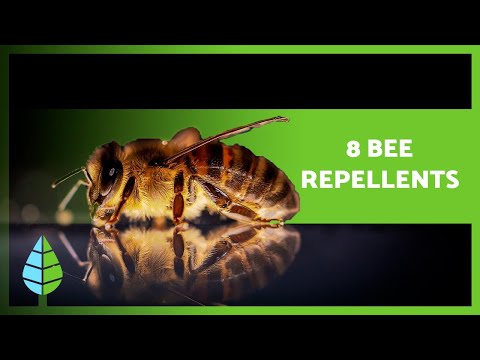
You have a few options if you want to keep bees away without hurting them. Some scents and plants bug bees, so they’ll steer clear.
Even the way you act—and what you wear—can make a difference.
Strong Scents That Bees Hate
Bees really don’t like strong or sharp smells. Scents like peppermint, eucalyptus, cinnamon, citronella, lavender, and citrus work as natural bee repellents.
Peppermint and eucalyptus oils smell sharp and bees avoid them. Cinnamon and citronella have strong aromas that work too.
Mix about 10-15 drops of essential oil with water and spray it around spots where you don’t want bees. That makes your outdoor space less tempting.
You can even wear perfume or lotion with these scents in summer. Just skip anything sweet or floral, since that could attract bees instead.
Plants That Naturally Repel Bees
Some plants just tell bees to buzz off. Rosemary, geraniums, wormwood, and lavender all have smells or tastes that bees dislike.
Rosemary’s scent is pretty strong, and geraniums have a smell bees tend to avoid. Wormwood is bitter and has a strong odor, so bees stay away from it.
Try planting these around your garden or porch. Mixing them with other plants can help create a natural barrier, and you won’t hurt bees or other pollinators.
It’s a gentle way to keep bees off your fruit trees and sitting areas.
Safe Practices For Keeping Bees Away
You can do a few simple things to avoid attracting bees, beyond just using certain plants or scents. Try not to wear bright or really dark colors—black especially—since bees seem to think those mean trouble.
Skip the floral or sugary perfumes too. Those sweet smells just invite bees right over.
If you’re eating or drinking outside, keep everything covered up. Bees love a free snack.
Loud noises and quick movements tend to freak bees out. But honestly, swatting at them just makes things worse.
If a bee comes close, it’s better to stay calm. Just back away slowly and let the bee do its thing.


