
Ever get itchy but can’t spot what’s biting you? Chances are, you’re dealing with tiny bugs or mites that are just too small to notice. These sneaky pests—like microscopic mites or no-see-ums—can leave you with itchy bites, even though you don’t see them.
You might feel bites from bugs that are tiny or really good at hiding. Just because you can’t spot them doesn’t mean they aren’t there.
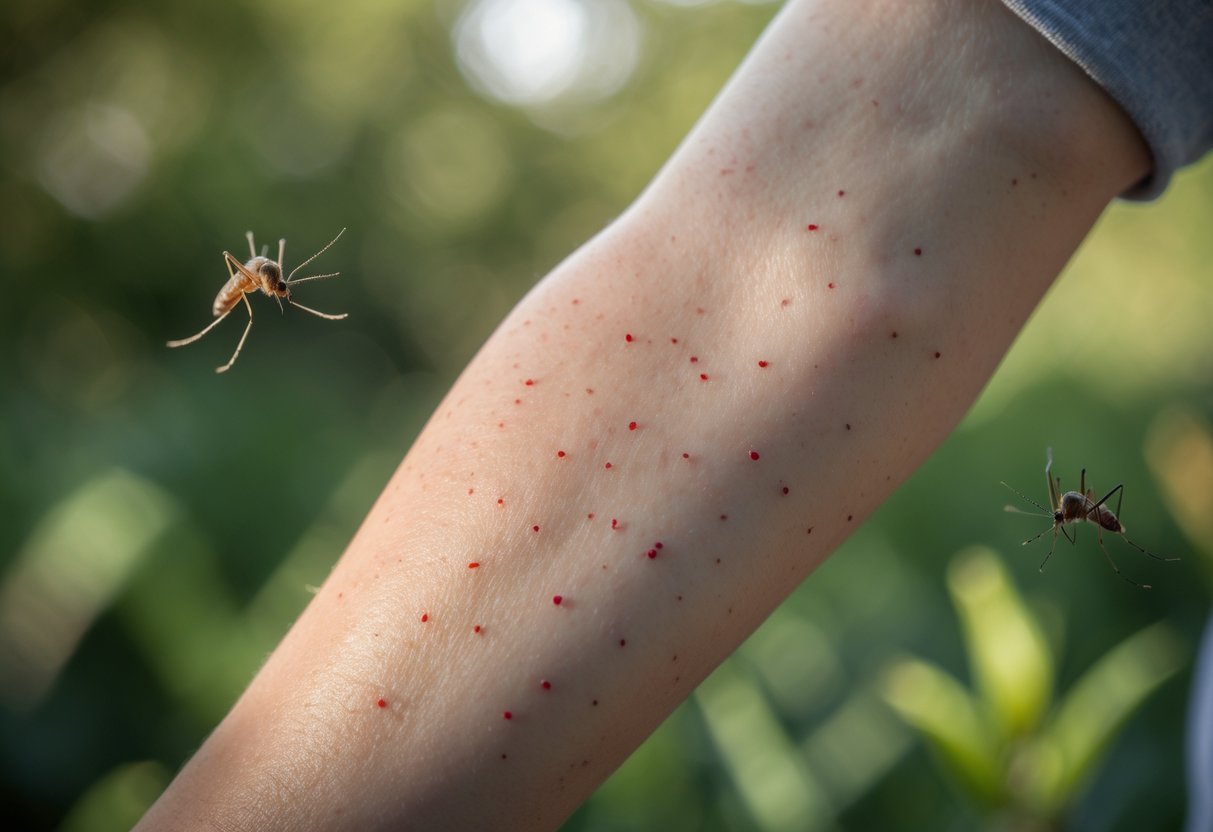
Sometimes, pets drag fleas into your home, and those little jumpers can bite you before you even realize it. Other times, flying insects like midges or punkies sneak in and bite without much warning.
Just knowing these pests are around can help you start tackling the problem and hopefully stop the itch.
You’re probably wondering what’s biting you and how to make it stop. If you know what to watch for and where these bugs hide, you’ll have a better shot at figuring out the cause and keeping your skin comfortable.
Let’s talk about these hidden biters and what you can do to protect yourself. If you’re curious, pest experts have plenty to say about bites from bugs you can’t see.
Most Common Unseen Biting Culprits

If you keep getting bitten but can’t find the bugs, you’re probably dealing with tiny insects or mites that hide well. These pests love sneaky hiding spots and move fast, making them tough to catch.
Knowing the main types gives you a better shot at stopping the bites.
Microscopic Bugs That Bite
Some biting bugs are so small, you’d never notice them unless you had a microscope. Scabies mites (Sarcoptes scabiei) burrow into skin folds—think wrists, elbows, and between your fingers. They bring on intense itching, but you won’t see them with the naked eye.
Other tiny suspects include straw itch mites and demodex mites, which hang out around hair follicles.
These little arthropods leave behind red, itchy bumps that can look like welts or rashes. You might find bites in clusters or lines. Sometimes, jiggers, larvae, or follicle mites act up and cause similar symptoms.
Since you can’t spot these pests, you usually only notice the itching and the bites.
Tiny Flying Insects and Midges
Flying bugs like no-see-ums—also called biting midges or punkies—are tiny enough to slip right through window screens. They usually bite any exposed skin and leave behind itchy bumps that stick around for days.
Mosquitoes, even though they’re bigger, can sneak a bite in if they’re quiet. Sand flies and thrips are other small insects that feed on blood and leave you red and itchy.
You’ll usually run into these tiny biters at dawn, dusk, or during the night, which makes it even harder to catch them in the act.
Lice and Mite Infestations
Lice are small, wingless bugs that live on your body or in your hair. Head lice cling to hair, while body lice hang out in clothing seams and bite your skin to feed. Pubic lice, sometimes called “crabs,” go for coarse body hair.
Bird or rodent mites sometimes jump from their usual hosts to humans. Bird mites and rodent mites can bite people and cause irritation, but they don’t survive long without their preferred animal hosts.
Scabies mites act differently—they dig under your skin, causing intense nighttime itching.
Environmental and Domestic Sources
Bed bugs love to hide in mattress seams and furniture cracks during the day. At night, they come out to bite, leaving red, itchy welts in lines or clusters.
Fleas from pets usually bite your legs and ankles. Straw itch mites show up in stored hay or plants and bite any exposed skin.
You might also deal with biting arthropods that live in humid places or animal nests near your house.
Try to keep things clean, check your mattress, and wash bedding often to cut down on bites from these hidden pests.
For more info on bugs that bite but are hard to spot, you can check out this detailed guide on common invisible biting bugs.
Recognizing and Managing Unseen Bites

When you get bitten by bugs you can’t see, it’s honestly just annoying and confusing. You might notice itching, redness, or small bumps but have no clue what’s doing it.
Learning to spot the signs and knowing how to treat them helps you stay comfortable and keeps your skin in better shape.
Symptoms of Invisible Bites and Irritations
Invisible bug bites usually make you itch and leave behind small, raised bumps—sometimes they look like tiny red dots. You could feel a sharp sting or burning right where you got bitten.
Sometimes, bites show up in lines or clusters.
You might also see mild swelling or a rash around the area. These signs can look a lot like eczema or contact dermatitis.
If you mostly get bites outdoors or near windows, tiny flying bugs like no-see-ums or biting midges might be to blame.
It helps to keep track of where and when your skin reacts. That makes it easier to narrow down the cause.
Allergic Reactions and Skin Conditions
Some people react pretty strongly to bites, with redness, swelling, or even hives that spread past the bite. Allergic reactions can bring on itchy rashes or set off eczema.
If your skin gets really irritated after bites, try oral antihistamines or anti-itch creams to calm things down. Try not to scratch—easier said than done, but it helps prevent infections.
Sometimes, it’s not even a bug bite. Skin issues like contact dermatitis from something brushing up against you can feel a lot like a bite. If the itching happens without clear bites or you see big patches of irritated skin, consider other causes too.
Prevention and Immediate Care
Protecting your skin is honestly the best way to avoid unseen bites. Long sleeves and pants help keep bugs off. Use insect repellents with DEET, especially if you’re outside near water or thick plants.
Make sure your windows and doors have tight screens to keep out tiny bugs like no-see-ums. Taking care of pest problems around your house can help keep the numbers down.
If you do get bitten, wash the area with soap and water to get rid of allergens and lower the risk of infection. A cold pack can help with swelling and itch. Over-the-counter anti-itch creams work too.
When to Seek Professional Help
If bites or skin reactions stick around for more than a few days, get worse, or start to hurt, you should see a doctor. Don’t wait if allergic reactions make it hard to breathe or cause swelling in your face or lips.
When itching or rashes won’t go away, and nothing you try helps, a dermatologist can offer better advice. If you keep finding bites but never spot any bugs, it might be time to call pest control to check your home for hidden pests like mites.


