
When you spot bees swarming around your house, they’re probably splitting from their old colony and searching for a new place to call home.
Bees swarm naturally to reproduce and expand their colonies, and they’re often on the lookout for a safe spot to settle down. You’ll see this most often in the warmer months, when flowers bloom and bees get busy.
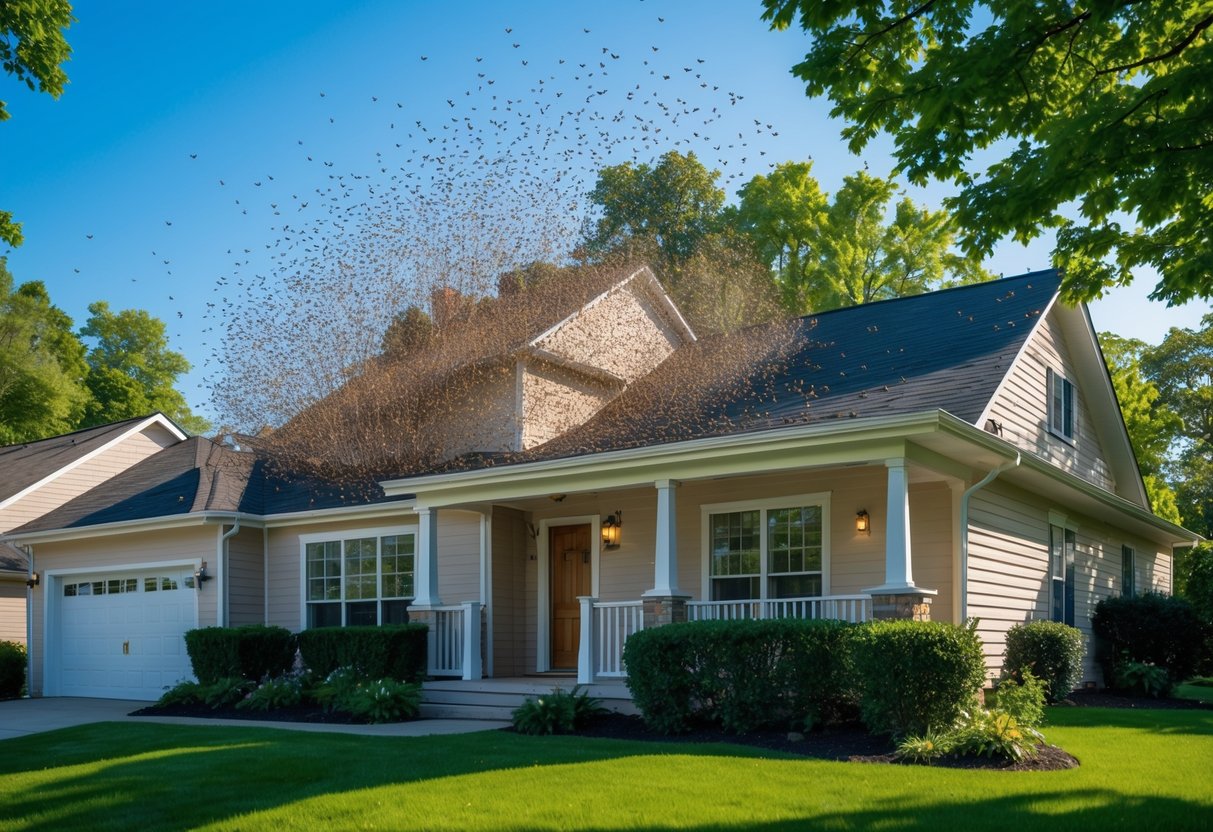
Don’t panic if you see bees hanging around your place. It’s good to know why they’re there, though.
Sometimes, bees might scout your house for a spot to build a hive. They could settle in walls or under eaves if you don’t keep an eye out.
Understanding why bees swarm helps you take smart steps to keep your place safe—and honestly, it’s just good to respect these helpful little insects.
If you’re wondering how to protect your home or what to do when bees start swarming nearby, you’re in the right spot.
You’ll get practical tips for living peacefully alongside bees, without risking stings or property damage.
For more info on why bees swarm and what to do, check out this guide on what to do when bees swarm your house.
Understanding Bee Swarms Around Your House

When you notice bees swarming near your house, they’re probably searching for a new place to live.
Bee colonies grow and change, and swarming is just part of that process.
What Is a Bee Swarm?
A bee swarm happens when a bunch of bees leaves their original hive to start fresh somewhere else.
Usually, the queen and a lot of worker bees go together.
You might see the swarm as a big, buzzing cloud or a clump of bees resting on a branch or wall.
Swarming is just how bees reproduce and boost their numbers.
Bees in a swarm usually focus on finding a safe new home, not on being aggressive.
Why Bees Swarm Residential Areas
Bees sometimes pick your house or yard because it seems like a good, sheltered spot.
They look for places that are dry and protected from bad weather or predators.
Cracks in walls, holes in siding, or gaps around windows can attract swarms.
Your property might remind them of a hollow tree or a rock crevice—pretty appealing if you’re a bee.
Seeing bees around doesn’t always mean they’ve moved in for good.
Often, the swarm just stops to rest while scout bees check out better locations.
Common Triggers for Swarming Near Homes
Bee colonies split up and swarm when things get crowded in the hive.
That way, there’s more space for new bees.
Other things can trigger swarming, like pests or disease bothering the hive.
Not enough food or bad conditions inside the old hive can also push them to move.
Seasonal changes, especially spring and early summer, play a big part too.
If you notice bees flying in and out of a gap in your house, they might be trying to move in.
Sealing up cracks and closing gaps can help keep them out.
For more about what attracts bees to houses, check out What Causes Bees To Swarm Your House?.
What To Do When Bees Swarm Near Your Home
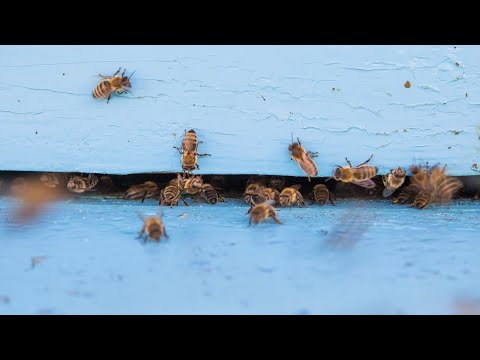
If you see bees swarming near your home, try to stay calm.
Take a breath and remember, you can handle this.
You want to keep yourself and others safe, while giving the bees a chance to move on.
Knowing how to react, when to get help, and how to prevent swarms in the future makes things a lot easier.
How to Respond Safely to a Swarm
If you spot a bee swarm, keep your distance.
Swarming bees usually aren’t aggressive—they’re focused on finding a new home and have plenty of honey stored.
Avoid loud noises or quick movements that could stir them up.
Keep kids and pets inside or away from the area.
Don’t reach for the spray or try to kill the bees; that just makes things worse.
Block off small holes, even ones as big as a pencil, to stop bees from getting inside and building a hive.
When to Contact Beekeepers or Associations
If bees settle and cluster on your house or nearby for hours or days, it’s time to call a beekeeper or local beekeeping group.
Pros know how to remove swarms safely and relocate them without harm.
Beekeepers can find hive entrances and remove the bees if needed.
Getting help early keeps bees from making a permanent home in your walls, which nobody wants.
Local beekeeping associations often offer advice or even removal services, so don’t hesitate to reach out.
Potential Risks and Prevention Tips
A big bee swarm can cause stings or trigger allergic reactions if you mess with it. If you know you’re allergic, it’s probably best to stay far away.
Bees sometimes sneak into houses, searching for tiny spaces to settle in. Take a look around for gaps and seal them up whenever you can.
Varroa mites threaten bee colonies, but thankfully, they don’t bother humans. If you’re worried, a local beekeeping expert can check the swarm for these pests since they really mess with hive health.
If you want to keep swarms away from your place, it helps to trim trees and make sure your house is sealed up tight against bees.


