
Ever spotted a bumblebee buzzing through your garden and wondered if it could sting or bite you? Bumblebees do sting, but biting is rare and usually only happens if they’re really threatened. Most of the time, they’re just focused on gathering nectar and honestly, they’d rather not mess with you.
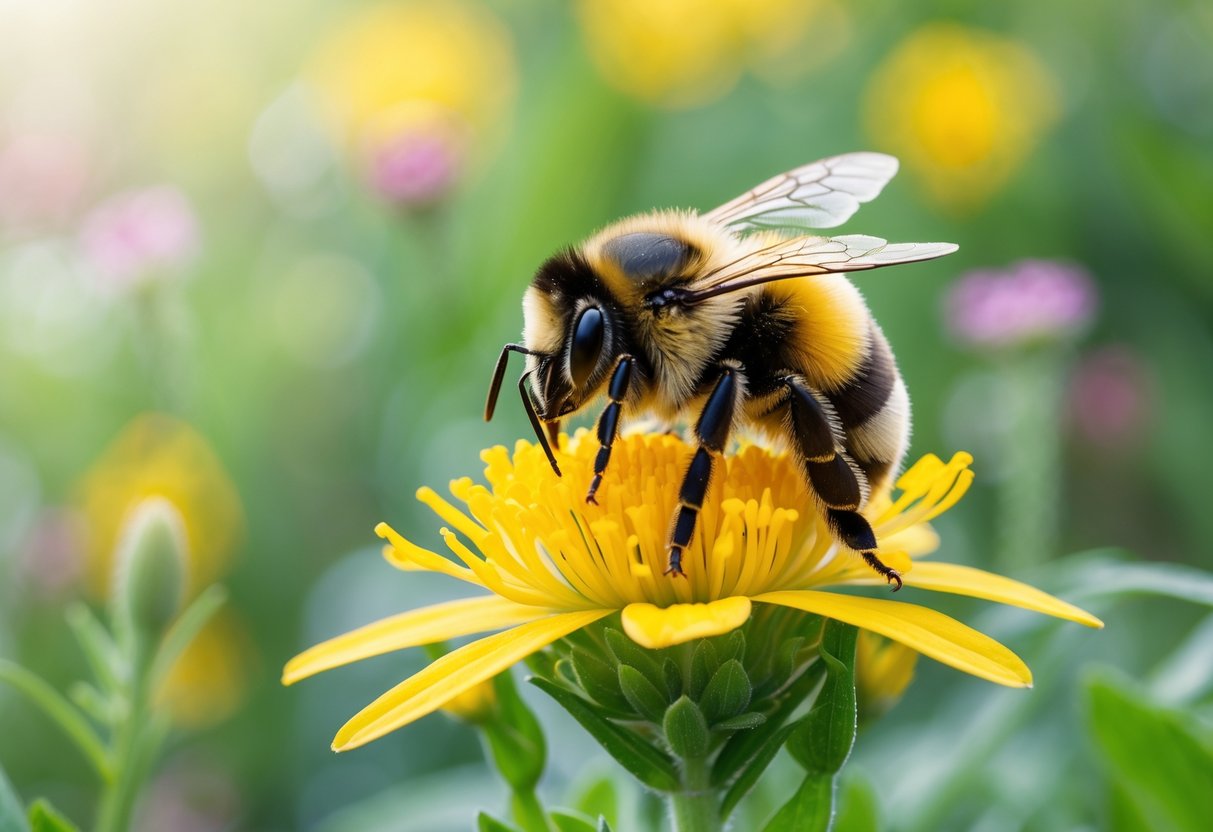
Unlike honeybees, bumblebees can sting more than once because their stinger doesn’t get stuck. If you do get stung, it’ll probably hurt, but it’s not usually dangerous.
If you understand when and why bumblebees sting, you can avoid trouble and keep enjoying these fuzzy pollinators.
Knowing a bit about their behavior makes being outside easier. Curious about how to avoid stings or what to do if it happens? Keep reading.
Can Bumble Bees Sting or Bite You?
Bumble bees use their stingers mostly when they feel threatened. They hardly ever bite, and their sting is their main defense.
If you know which bees can sting, how often they do it, and what triggers them, you’ll have an easier time staying safe.
Key Differences Between Stinging and Biting
Bumble bees sting with a smooth stinger that injects venom. They sting when they feel threatened. Stings hurt and cause swelling or redness, but unless you’re allergic, they’re usually not a big deal.
Bumble bees almost never bite. They’ve got strong jaws, but they use them for gathering nectar or cleaning. If one does bite, it just feels like a small pinch—way less painful than a sting.
| Action | Purpose | Feeling | How Often Used |
|---|---|---|---|
| Stinging | Defense | Painful, with swelling | Used when threatened |
| Biting | Grabbing food/cleaning | Slight pinch, minor pain | Very rare |
Who Can Sting: Female vs. Male Bumblebees
Only female bumblebees can sting. That includes worker bees and the queen. They use their stingers to protect themselves or their colony.
Male bumblebees don’t have stingers at all. They’re focused on mating and don’t defend the nest.
If you spot a male bumblebee, there’s no need to worry about getting stung.
How Many Times Can a Bumble Bee Sting?
Bumble bees can sting more than once because their stinger doesn’t get stuck in your skin. They can sting again and again without dying.
Even though they can, bumble bees don’t go around stinging for no reason. They usually only sting if you mess with their nest.
They’re much less aggressive than wasps or yellow jackets.
Typical Situations When Stings Happen
Most bumble bee stings happen if you get too close to their nest or try to grab them. If you disturb their colony or make sudden moves, female bumblebees might feel threatened.
Staying calm and not swatting at them helps you avoid getting stung. Bumblebees care more about flowers than people and usually leave you alone unless you provoke them.
If you do get stung, wash the spot and put some ice on it. That usually helps with pain and swelling.
If you want more details about bumble bee stinging behavior and how to stay safe, check out this guide.
What Happens After a Bumble Bee Sting and How to Respond

When a bumble bee stings you, your body reacts differently depending on whether you have an allergy. Most of the time, you’ll just notice some redness and swelling around where you got stung.
A few people might have serious allergic reactions and need quick medical help. It’s good to know what to expect and how to handle it.
Common Symptoms and Reactions
After a bumblebee sting, you’ll likely see redness, swelling, and maybe some itching around the sting. That’s normal and can last a few minutes or a few hours.
The spot might feel sore or warm. Usually, the swelling and redness stay right around the sting and don’t spread much.
Bumblebee stings don’t usually leave the stinger in your skin. If you do spot a stinger, gently scrape it out with your fingernail or a credit card.
Don’t use tweezers, since that can squeeze more venom in. Putting some ice on it helps with swelling and pain.
Allergic Responses and Medical Attention
Some people are allergic to bumble bee stings. If you notice swelling in your face, lips, throat, or neck, or if you have trouble breathing, dizziness, or chest pain, you need emergency help right away.
If you know you’re allergic, always carry an epinephrine auto-injector (EpiPen) and use it if you get stung. If someone near you shows signs of a bad reaction, call emergency services immediately.
Even if you’re not sure, get medical help if things seem to be getting worse.
Preventing Bumble Bee Stings
If you spot bumblebees nearby, try to stay calm. Just move away slowly—panicking or waving your arms around usually makes things worse.
Skip the quick movements or swatting. That kind of reaction tends to provoke them, and nobody wants that.
Wear light-colored clothes when you can. Strong perfumes or sweet scents? Probably best to avoid those, since they attract bumblebees.
When you’re outside, keep your food and drinks covered. Bumblebees love sweet smells and might show up for a taste.
Take a look around your home for nests, especially if you spend time outdoors. If you find one, don’t disturb it; just steer clear.
These simple habits really can help you avoid getting stung.
Want to know what happens after a bumblebee sting or how to treat it? Check out what to expect after a bumble bee sting.


