
Ever wondered if honey bees can actually recognize you? It sounds a bit wild, but honey bees can tell human faces apart and remember people, especially if you spend time near their hive.
They don’t just see you as a blur—they notice details that make you different from others.

Bees have tiny brains, but they use clever tricks to spot and learn faces, kind of like how you recognize friends. If you take care of a hive or hang around bees, they probably remember you better than you’d guess.
This ability helps them interact with their environment and even with the humans who care for them.
Learning that bees might recognize you makes these busy insects seem a whole lot smarter. They’re way more aware than most people give them credit for.
Do Honey Bees Recognize You?

Honey bees can recognize faces by picking up on patterns and shapes. They don’t see faces quite like we do, but they remember certain features.
The connection between beekeepers and their bees shows how bees react to familiar humans over time.
Scientific Evidence of Bee Facial Recognition
Research shows honey bees can recognize human faces in photos and remember them for days. Instead of focusing on individual features, they piece together parts of a face into a pattern.
This skill works a lot like how bees identify flowers or other bees. It helps them remember the people who hang around their hive.
Studies found bees can tell one person from another—even if the differences are pretty subtle. If you want to dig deeper, check out Know Animals.
How Bees Perceive Human Faces
Bees use a special visual system made up of tiny eyes that pick up shapes and patterns. Rather than seeing a full face, they focus on features like eyes, mouth, and nose as parts of a bigger picture.
They combine these pieces to remember the face. You might assume bees only see blurry images, but they actually process complex patterns pretty quickly.
This helps them recognize faces and objects like cars or flowers. Their brains are small, but they work hard to spot important details.
Beekeeper-Bee Interactions
If you’re a beekeeper, your bees can probably tell you apart from strangers. Bees learn your face and behavior over time.
They notice how you move, smell, and act around them. This recognition helps bees stay calm when you’re near and work better in the hive.
While they don’t form friendships the way people do, bees recognize their keeper as a familiar presence. You can read more about this at Meaningful Spaces.
Bee Intelligence and Pattern Recognition
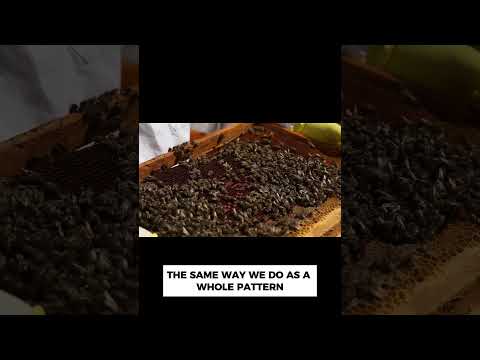
Bees have some impressive brain skills that help them solve problems and spot patterns. Their knack for seeing details and remembering things is actually pretty advanced, especially for insects.
This helps them find flowers and even recognize faces.
Cognitive Abilities of Bees
It’s easy to think a tiny brain can’t do much, but honey bees really show off their intelligence. They remember patterns, smells, and faces.
Bees connect these memories with rewards like sugar water, which makes what they learn stick. Their brains handle tough tasks, like telling one face from a bunch of others.
Studies say bees can recognize human faces with over 80% accuracy. So, they don’t just react on instinct—they process information in a surprisingly smart way.
They learn through trial and error, which is a pretty solid sign of real cognitive ability in insects.
Visual Strategies Used by Bees
Bees use clever methods to spot and remember patterns. They don’t just look at a flower or face once; they move around to get different views.
This movement sharpens the signals going to their brains. Scientists call it “active vision.”
It lets bees pick out complex patterns, like those on flowers, by focusing on key features. Their flight movements help their brains pick out details more sharply.
Their visual processing is fast and efficient, so they can make quick decisions in a busy world.
Implications for Artificial Intelligence
Bees tackle tough problems with surprisingly tiny brains, and honestly, that’s pretty fascinating to a lot of AI researchers.
Scientists dig into how bees spot patterns, hoping to pick up new tricks for machine learning and image recognition.
Bee brains just seem to get things done without a ton of resources. That’s a clever approach, and it’s got people thinking about how to make AI systems that learn and see more efficiently—without needing massive computers.
If you’re curious about the details, Science Daily offers a deeper dive into these ideas.


