
Knowing when a bee’s angry can help you avoid stings—no one wants that. You’ll usually notice angry bees flying fast, acting aggressive, buzzing louder than normal, and crowding or diving at you or your pets. These behaviors mean the bee’s ready to defend its hive.

Sometimes, bees form a dark cloud above their home or act jittery and noisy. If you spot these things, you’ve got a chance to calmly move away.
Honestly, learning to read these signals can make hanging out outside a lot less stressful. Nobody wants to ruin a picnic because of a bee misunderstanding.
If you want to avoid surprises, it helps to pay attention to how bees act when they feel threatened. This guide will show you warning signs and what you can do if you see them.
For more info, check out how to tell if a bee is angry and keep safe around them.
Identifying Signs of an Angry Bee
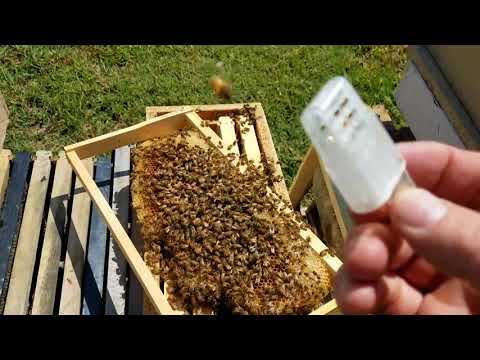
When bees get angry, you can spot it if you know what to look for. They show signs through their movement, their sounds, and how guard bees behave near the hive.
If you pay attention to these clues, you’ll have a better shot at avoiding a sting.
Physical and Behavioral Cues
Angry honey bees move fast and with purpose. You might see them flying around loudly or hovering right by your face.
Their movements are sharp and focused—not slow or lazy.
Watch for bees raising their abdomens or spreading their wings wide. That’s a classic sign they’re feeling aggressive.
They might also buzz much louder and fly directly at whatever’s bothering them.
If a bee starts bumping into you or flying really close, that’s a solid warning. They do this when they think their hive or queen is in trouble.
Warning Pheromones and Sounds
When bees feel threatened, they release alarm pheromones. These chemicals move through the air and let other bees know it’s time to get defensive.
If you catch a strong, sharp smell near a hive, that could be the pheromone.
At the same time, bees make specific sounds—loud buzzing or even a “roaring” noise. If you hear this near a hive entrance, it’s probably time to step back.
The mix of strong scent and noise can make a whole group of bees aggressive all at once. If you notice either, don’t just brush it off.
Guard Bee Activities
Guard bees hang out near the hive entrance, always on the lookout. When bees get worked up, these guards become extra active.
You might spot them standing alert, ready to react to anything unfamiliar.
Sometimes, these guards chase people or animals that get too close. If you see guard bees flying out in a hurry or bumping others away, the hive’s on high alert.
Check for scratch marks or signs of disturbance near the hive. These can show that guard bees have been defending their home pretty aggressively.
If you watch the guards, you can often avoid getting stung by moving away early.
For more signs of aggressive behavior, you can visit this link on how to tell if bees are angry.
Causes and Factors That Make Bees Aggressive

Bees get aggressive for a bunch of reasons. Sometimes it’s just how they’re wired, but other times it’s because of changes in their environment or how people handle the hive.
If you know what sets them off, you can predict when they’ll act defensively.
Genetics and Bee Temperament
Some bee types, like Africanized honey bees, just act more defensive by nature. Their genetics make them protect their honey and queen way more fiercely.
If your colony has these bees, you’ll probably see more aggressive behavior.
Even regular honey bee colonies aren’t all the same. Some hives are chill, while others get defensive at the drop of a hat.
Colony genetics shape how quickly bees react to threats. Sometimes, you can change this by choosing queens from calmer lines.
Environmental Stressors and Resource Shortages
Bees get cranky when they’re stressed. Stuff like habitat loss, bad weather, or diseases such as varroa mites can set them off.
When nectar’s hard to find—what beekeepers call a nectar dearth—bees guard their food sources more closely. That’s when they’re most likely to attack anyone near their hive.
Pollution and pesticide exposure also mess with bee health and make them more defensive. That’s just one more reason to keep their environment as healthy as possible.
Impact of Beekeeping Practices and Hive Inspections
How you handle your bees really shapes their behavior. If you inspect hives roughly or mess with them too often, you’ll probably stress them out—and honestly, nobody likes cranky bees.
When you use smoke with care and move slowly, bees tend to stay calmer. It’s a pretty simple trick, but it works.
Sometimes, during honey robbing, other insects or bees will try to steal nectar. Your bees might get defensive and try to chase them off. Can you blame them?
If you manage the hive well and handle the frames gently, you’ll notice less aggression. Plus, your colony stays healthier, which is great for pollination.


