
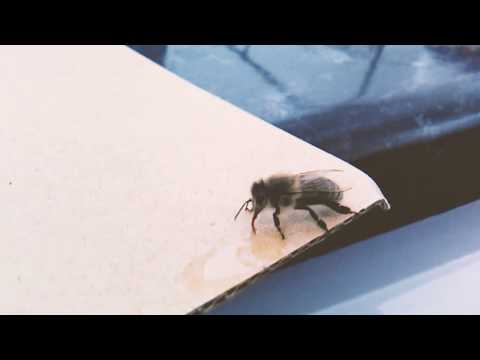
Ever spot a dying bee and wonder what to do? You can actually help a struggling bee by offering it a tiny bit of sugar water and a warm, safe spot to rest.
That quick gesture gives the bee a little energy boost and a shot at bouncing back.

Bees deal with so much—habitat loss, pollution, you name it. Every bit of help really does matter.
If you learn how to spot a tired or injured bee, you can make the right call when you find one. Sometimes, just a few minutes can make a real difference.
Honestly, learning how to rescue a bee connects you with nature in a cool way. It’s a small thing, but it supports the environment.
Curious about what to do next? Here are some easy steps to help bees you meet and some ideas for making your space more bee-friendly.
How to Help a Dying Bee

You can help a dying bee if you know what to look for. Spotting distress, handling it gently, and offering sugar water can give it a fighting chance.
Identifying Signs of a Dying Bee
First things first—see if the bee moves slowly or just lies on its side. That usually means it’s weak or in trouble.
Look for stuff like:
- Lethargy or trouble flying
- Crawling on the ground, nowhere near flowers
- Barely clinging to a surface
If the bee seems wet or cold, maybe it just needs some warmth. Sometimes bees just rest, so pay attention before you jump in.
Safe Handling and Immediate Care
If you decide to help, protect yourself—grab gloves or a beekeeping suit if you have one. Bees might sting if they’re scared.
Use a soft bit of paper or a leaf to nudge the bee gently. Don’t squeeze it.
Put the bee somewhere quiet and safe, maybe with a little sunlight if it’s chilly out.
Try to keep it away from ants or birds while it recovers.
Reviving with Sugar-Water Solution
To help the bee regain energy, mix up a sugar-water solution—one part white sugar, two parts water. Stir until the sugar dissolves.
Offer a few drops with a dropper or a tiny spoon, right near the bee’s mouth. That sugar can perk up tired or malnourished honey bees.
Skip honey because it can spread disease. After the bee drinks, let it rest before you set it free near flowers.
Supporting Bee Recovery and Prevention
If you want to help bees stick around and stay healthy, a few changes in your garden or routine can go a long way. You can create safe spots, offer steady food and water, skip the harsh chemicals, and plant the right stuff.
These little efforts really do help struggling bees and reduce threats like starvation, pests, and disease.
Creating a Bee-Friendly Environment
Start by making your space welcoming for bees. Build or buy a bee hotel—those little shelters give native bees a safe place to nest.
Leave some bare soil or dead wood so ground-nesting bees and carpenter bees can move in. If you can, avoid mowing your lawn too much or clearing away all the leaves.
Pests like varroa mites and diseases such as American foulbrood can really hurt bees, so let them do their thing without too much interference. A calm, safe spot helps bees recover and thrive.
Providing Food and Water Sources
Bees need nectar and pollen all the time, or they risk starvation. Plant flowers that bloom in different seasons, so there’s always something for them to eat.
Set up a shallow dish of water with stones so bees can land without falling in. Even a simple bee bath makes a difference.
Try planting a mix of bee-friendly flowers like lavender, clover, and sunflowers. These attract all sorts of pollinators and give bees the nutrients they need.
Avoiding Harmful Chemicals
Cutting back on pesticides is huge. Stuff like neonicotinoids causes pesticide poisoning and wipes out bee populations.
Go for natural pest control or just pick pests off by hand. If you absolutely must use something, spray early in the morning or late at night when bees aren’t out.
Always check labels and avoid anything that’s bad for bees. Using fewer chemicals keeps things safer for all pollinators—honey bees and wild bees alike.
Encouraging Native and Bee-Friendly Plants
Pick local native plants instead of non-native ones. They fit your environment better and give native bees the nutrients they actually need.
You can use tools like a Native Plant Finder to figure out which plants help your area’s pollinators most. Try mixing it up with different flowering plants—shapes, colors, the works—since that attracts a wider range of bee species.
If you go for bee-friendly choices like goldenrod, coneflowers, and wildflowers, you’ll see healthier bee populations. These plants can also tough it out against threats from climate change and pollution.


