
Bees play a huge role as pollinators, keeping plants and food growing. When a bee struggles, it can impact your local plants and even the hive’s health.
You’ll notice a struggling bee if it moves slowly, looks weak, or ignores touch and sound.
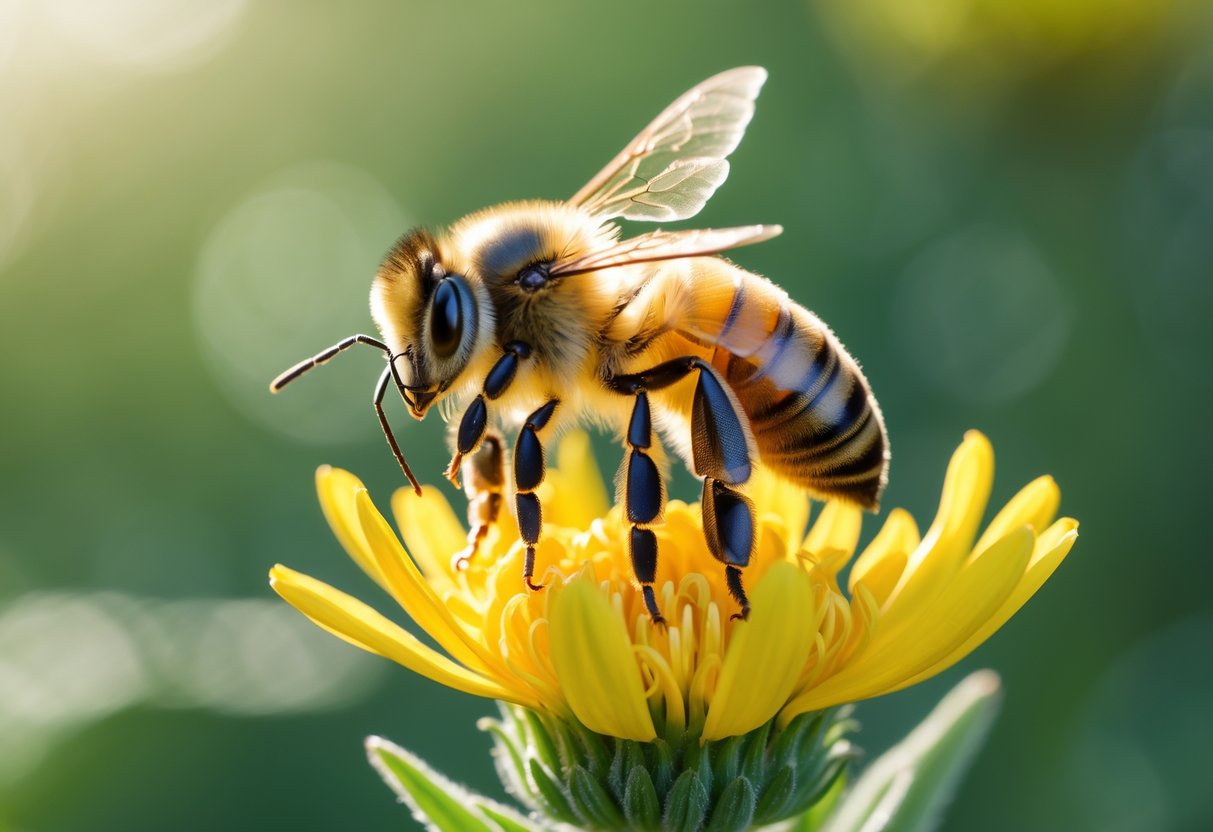
Sometimes, tired bees just need a break. But if you see one clinging to flowers with ragged wings or darkened body parts, that’s probably a bigger problem.
If you watch how a bee acts and moves, you’ll get a sense of whether it just needs rest or if there’s something more serious going on.
Knowing these signs matters because you might actually help. When you spot a bee in trouble, you can do something small that supports pollinators and keeps your garden or wild plants thriving.
If you want more details about what to look for and how to help, check out how to spot if a bee is in distress.
Recognizing Signs of a Struggling Bee

You can spot a struggling bee by watching its movement, appearance, and behavior. Some signs are obvious, like slow or clumsy movements.
Other clues show up in their bodies—damaged wings or missing pollen are red flags.
Common Behaviors of Dying Bees
Dying bees usually act sluggish or weak. You might see them crawling slowly or not flying at all.
Sometimes, they ignore you if you try to touch or nudge them. They can cling to flowers but just look worn out.
Their movements get uncoordinated, and they sometimes fall over or can’t stay upright. You’ll notice they stop gathering pollen or seem uninterested in what’s around them.
Differences Between Tired and Distressed Bees
Tired bees still try to fly or crawl, even if they look shaky or slow. Distressed bees, though, show more serious signs like not moving at all or clinging tightly to something.
A tired bee might rest and bounce back after a few minutes. Distressed bees usually have damaged wings, or maybe they’ve been poisoned—you’ll see their tongue sticking out or their body looking dark.
If you know these differences, you’ll have a better idea if a bee needs help or just some time. Spotting real distress lets you step in and protect these pollinators.
Physical Clues: Wings, Grooming, and Pollen Baskets
Check out the bee’s wings. Tears or holes mean it can’t fly well, which is a clear sign it’s struggling or getting old.
Take a look at how the bee grooms itself. Healthy bees clean themselves all the time.
If a bee looks dirty or has mites, it’s probably not grooming enough. Pollen baskets on the back legs should look full and bright.
If you see empty or broken pollen baskets, the bee might be too weak to collect food. That’s another sign of trouble.
Spotting these physical clues helps you figure out what’s going on with the bee’s health. If you want to dive deeper, check out these key signs of bee distress.
How to Help Bees in Trouble
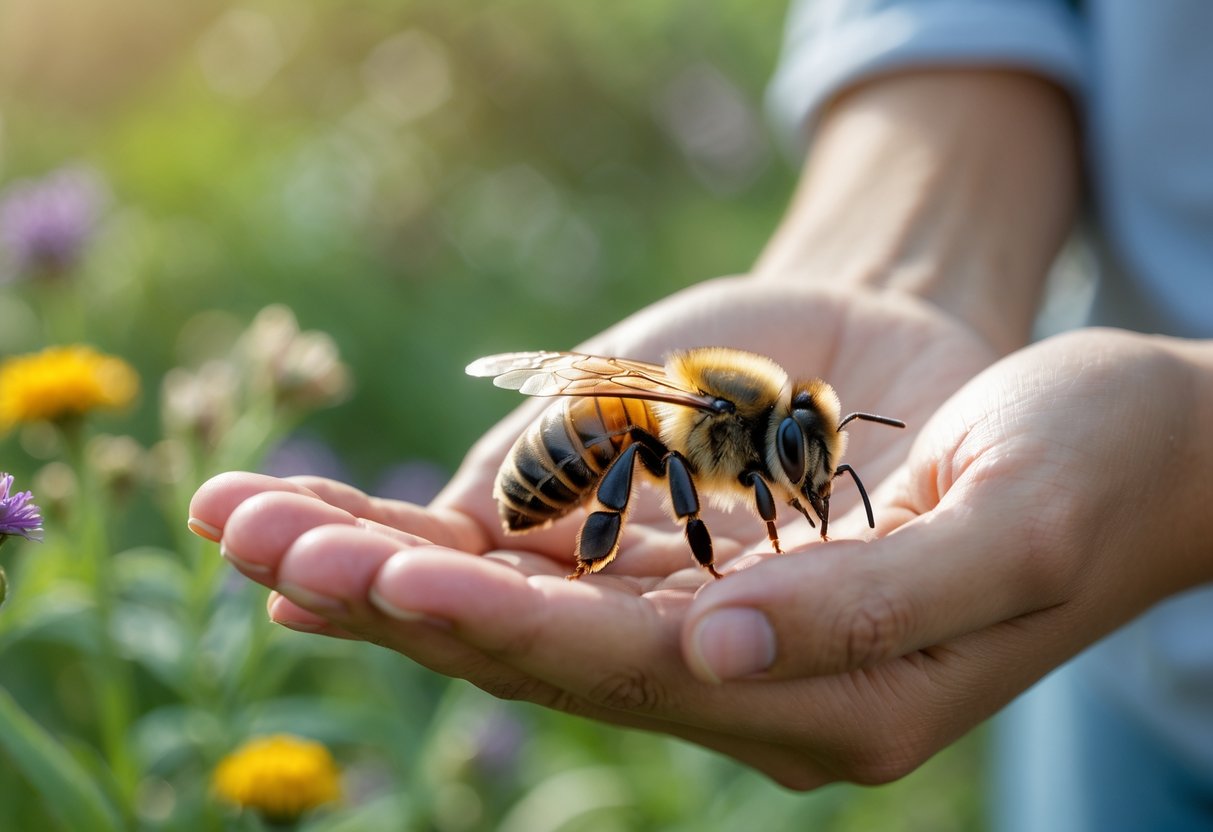
If you see a tired or hurt bee, you can actually help. Giving sugar water can give it a boost.
Planting safe flowers in your yard or garden helps bees stay healthy for longer.
Safe Ways to Assist a Tired Bee
If you spot a bee that looks slow or can’t fly, you can offer sugar water. Mix equal parts sugar and water, then put a few drops on a shallow dish or spoon.
Don’t use honey—it can carry germs. You can gently move the bee to a quiet spot with flowers or shady leaves.
This gives it a safe place to rest and regain strength. Try not to handle the bee too much or trap it in a jar.
Let it fly off when it’s ready. That way, you and the bee both stay safe.
For more detailed tips, check out this guide on helping a bee in distress.
Creating a Bee-Friendly Environment
If you want to keep bees healthy, plant bee-friendly flowers like lavender, sunflowers, or clover. These flowers give pollinators food and shelter throughout the year.
Try not to use pesticides or harsh chemicals on your plants. Bees really don’t need that kind of trouble.
Thinking about beekeeping? Take care of your hives—bees bounce back better when you do. Set out clean water nearby, and check the hive often to keep pests away.
Even small changes count. Toss a few flowering plants in your window box, or maybe add some to a local park. It’s surprising how much that can help bees right in your neighborhood.
Want more ideas? Check out this guide on rescuing honey bee colonies.


