
If you’re dealing with bees near your home and want a safe, simple way to get rid of them, a homemade bee killer might just do the trick. Mixing dish soap and water is probably the best homemade bee killer, since it suffocates bees without harsh chemicals. You can whip up this spray in minutes, and it works surprisingly fast, giving you control without wrecking the environment.
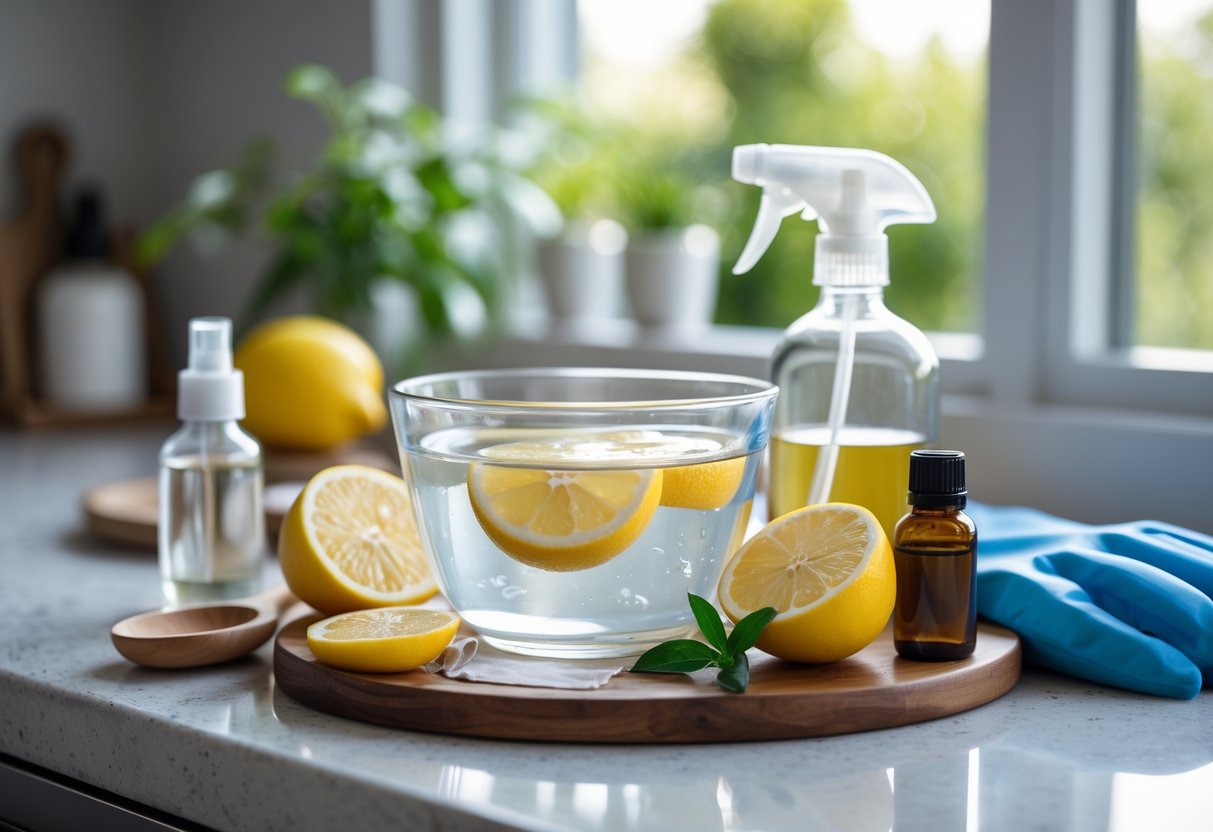
When you use basic household stuff, you don’t have to buy pricey products or worry about strong chemicals near your family or pets. This method’s gentle enough for outdoor use and won’t hurt your plants or soil.
Curious about how to mix and use it right? Keep reading and you’ll be able to handle the problem with a bit more confidence.
You might also want to try natural options like essential oil sprays or homemade traps. These can help keep bees away safely.
Just a few small changes can make your yard or porch a bee-free zone, while still respecting the important role bees play in nature.
Top Homemade Bee Killer Methods

You can grab simple ingredients and tools from your home to manage bees or yellow jackets safely. These methods help reduce bee numbers around your place and target different types, like carpenter bees.
Dish Soap and Water Solution
Just mix dish soap and water—it’s about as easy as it gets.
Use 1 part dish soap to 4 parts water in a spray bottle. The soap breaks the bees’ protective outer layer, so they suffocate.
Spray this solution right on the bees or in the spots they visit a lot, like near a hive or nest. It works for honeybees and yellow jackets.
Be careful spraying near people or pets—you don’t want anyone getting stung. This method’s safe for the environment and you probably already have what you need at home.
Vinegar Spray for Bees
Vinegar’s a natural bee repellent because of its strong smell.
Mix equal parts water and vinegar in a spray bottle. Spray it near places where bees gather or build nests, especially on wood where carpenter bees might drill holes.
The acid in vinegar messes with how bees use pheromones to communicate, so they’ll find the area less attractive.
Vinegar won’t kill the bees right away, but it does help keep them away from your home.
You’ll want to spray again every so often, especially when it’s warm and bees are busy.
Homemade Bee Traps and Bait Recipes
If you want to catch and cut down on bees or yellow jackets, you can make simple traps.
Take a plastic bottle and cut it in half. Pour a sweet bait like sugar water, fruit juice, or a sugar-water mix into the bottom.
Flip the top part over and set it inside the bottom, so it forms a funnel. Bees get in, but it’s tough for them to get back out.
Check your traps often. Toss out trapped insects safely and refill the bait as needed.
These traps work best for yellow jackets or carpenter bees, which can be more aggressive than honeybees.
Traps help you control the bee population without spraying chemicals.
For more homemade ideas, check out this guide on how to kill bees with household items.
Safe Usage Tips and Natural Repellents

When you’re dealing with bees, go slowly and gently to protect yourself and the environment. You can lower your risk of stings by wearing the right clothes, picking the best times to treat, and using natural repellents.
Protective Clothing and Safety Precautions
Wear long sleeves, pants, gloves, and a hat to avoid bee stings. Light-colored clothes are usually better—bees don’t seem to care for them as much.
Skip heavy perfumes or floral scents, since bees might think you’re a flower.
If you need to get close to a hive or a bunch of bees, move slowly and don’t make sudden moves. Bees get agitated pretty easily.
Always know how to get away quickly, just in case things go sideways.
Keep a bee catcher around if you want to trap and release bees without hurting them. That’s handy if you’d rather relocate than kill.
Time of Day and Application Best Practices
Early morning or late evening is the best time to use homemade bee killers or repellents. Bees aren’t as active when it’s cooler, so you’re less likely to get stung.
Spray or apply your repellent carefully around spots where bees gather—like flowers, trash bins, or doors. Don’t go overboard; a light, even coat usually works best.
Try not to spray repellent right on bees or inside hives. It’s better to focus on where they rest or enter your space.
Natural Bee Repellents for Prevention
Natural repellents like essential oils—think peppermint, eucalyptus, or citronella—can work surprisingly well without harming bees. Just mix a few drops with water, then spray it around your garden or patio.
Vinegar mixed with a bit of liquid soap makes a mild barrier that bees tend to avoid. You could also try planting herbs like mint or basil nearby since they naturally repel bees.
When you use these natural repellents, you can protect yourself from stings and still keep bees safe. If you want some easy recipes or ideas, maybe check out these natural bee repellents.


