
Waking up with itchy bites and wondering what’s biting you at night in the UK? You’re definitely not alone. Plenty of bugs could be to blame—mosquitoes, midges, fleas, and bed bugs, just to name a few.
Bed bugs, mosquitoes, fleas, gnats, and midges are the usual suspects. Each pest leaves its own kind of bite, which can help you figure out what’s going on.
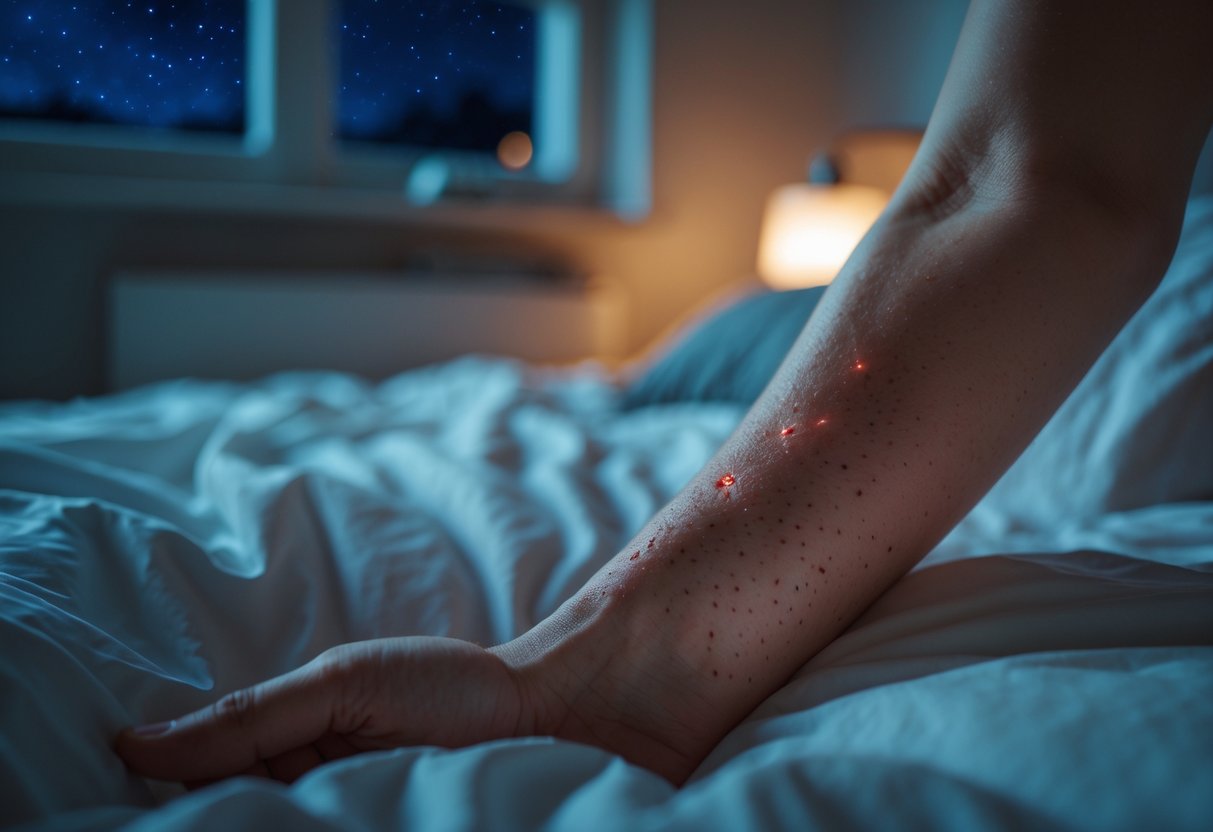
Figuring out what’s biting you is the first step to stopping it. Some bugs only go after you when you’re asleep, while others might be hanging around your home or garden.
Once you know what you’re dealing with, you can actually do something about it.
If that nightly itch has you stumped, you’ll want to spot the signs and pick the right fix. There’s plenty to learn about the bugs that bother people in the UK after dark—and what you can do about them.
If you want more details, take a look at this detailed guide.
What’s Biting Me at Night in the UK?

Noticing itchy red marks after sleeping? You might have a few different bugs to blame. Each insect leaves a different pattern, which can be a clue.
Some bites are easy to spot because of where they show up and how they look.
If you know how to spot these bugs, you’ll have a better shot at stopping the bites and keeping yourself safe.
How to Identify Different Night-Time Biting Insects
Lots of insects bite at night, but their bites look a bit different. Check the size, shape, and spot where the bites show up on your body.
Some bites cluster together, while others are more spread out.
Timing matters too. Bed bugs usually bite when you’re asleep.
Fleas might go for your feet or ankles—places you wouldn’t always expect.
Mosquitoes and midges bite wherever skin is exposed, and it’s usually pretty random.
You might spot bugs or tiny signs in your bed or around your furniture. Regularly checking these spots helps you catch a problem early.
Bed Bugs: Signs and Bite Patterns
Bed bug bites usually look like small, red welts. They tend to show up in lines or groups of three—people call it the “breakfast, lunch, and dinner” pattern.
You’ll probably see them on skin that’s exposed while you sleep, like your arms, neck, or legs.
You might also notice small blood spots on your sheets or a weird, sweet smell in your bedroom. Bed bugs hide in mattress seams, furniture cracks, and behind wallpaper during the day.
If you spot these kinds of bites, check your sleeping area carefully. Bed bugs are sneaky, but they mostly come out at night.
Fleas and Flea Infestation Risks
Fleas often bite your ankles, feet, and anywhere your skin touches bedding or carpets. Their bites are tiny, itchy, and look like red dots, sometimes grouped together.
If you have pets, fleas can hitch a ride on them and end up in your home.
Flea bites might cause rashes or allergic reactions for some people. A bad infestation spreads quickly and leads to more bites at night.
Look for flea dirt—those tiny black specks—on your pet’s fur or in your carpet. To stop fleas, treat your pets and keep your home clean to get rid of eggs and larvae.
Mosquitoes, Midges, and Mites Explained
Mosquito and midge bites usually look like raised, red lumps that itch like crazy. Mosquitoes love warm, exposed skin—think arms or face.
Midges are tiny flies that go after you in damp places, like near water or woods. Their bites leave small, itchy bumps.
Mites are super small and can live in animal nests or humid spots. Some, like scabies mites, burrow under your skin and cause intense itching.
If you live near water or keep animals, keep an eye out for these bites. Nets and insect repellents work well for mosquitoes and midges.
For mites, you’ll need to clean the area and maybe treat the rash if it gets bad.
You can get more tips on spotting and handling these pests in this UK night-biting guide.
Managing Symptoms and Preventing Future Bites

If you get bitten or stung at night, you need to know how to ease the itch and avoid more bites later. Knowing how to spot serious reactions and using the right treatments makes a big difference.
Reacting to Insect Bites and Stings
When you see a bite or sting, check if it’s red, swollen, or painful. You might feel itching or a burning sensation.
A cold compress can help with swelling and itching right away.
You can take painkillers like paracetamol or ibuprofen to ease pain and cut down on swelling. Anti-itch creams or sting relief gels soothe the skin.
Keep the area clean to stop infection. Try not to scratch too much—it just makes things worse or can leave scars.
If you see bites in a line or cluster, it probably means bed bugs or ants are the problem.
Recognising and Handling Allergic Reactions
Sometimes bites or stings do more than just itch. If you notice hives, swelling away from the bite, or trouble breathing, you might have a serious allergic reaction.
If you know you’re allergic to bee, wasp, or hornet stings, always keep an EpiPen nearby. Use it right away if your throat swells, you feel dizzy, or you can’t breathe easily.
Call emergency services after using your EpiPen.
For milder reactions, antihistamines help with itching and swelling. If things get worse or don’t improve, see a doctor.
Effective Treatments and Immediate Relief
Most bites are easy to treat at home. Clean the bite with soap and water first.
Use a cold compress for 10–15 minutes to help with pain and swelling.
Over-the-counter creams with antihistamines or hydrocortisone can help with itching and inflammation.
If a bee stung you, check for the stinger and pull it out carefully to stop more venom from spreading.
Painkillers like ibuprofen and paracetamol help if you’re uncomfortable.
For tick bites, use tweezers to remove the tick right away and clean the spot well. This lowers your risk of infections like Lyme disease.
If you get a rash or feel flu-like after a tick bite, don’t wait—see a doctor.
Minimising Bite Risks and When to Seek Help
Want to avoid getting bitten? Try using insect repellents with DEET on your skin or clothes, especially if you’re somewhere bugs seem to love.
Keep your bedroom tidy, and take a quick look at your mattress and bedding now and then for any signs of bed bugs.
If you keep seeing bugs, ants, or you’re waking up with new bites every night, it might be time to call in professional pest control. They’ll know how to handle it safely.
You can also block off your home’s entry points to help keep insects from sneaking in.
Notice your bites getting worse, with pus, redness that spreads, or pain that just won’t quit? That’s a good time to reach out for help.
And if you have a strong allergic reaction or think you might be dealing with anaphylaxis, don’t wait—get emergency medical care right away.


