
So, you’ve spotted a bee’s nest somewhere on your property and you’d rather not spend any money getting rid of it? Good news: you’ve got some safe, free options to encourage bees to move along.
Honestly, the easiest free way is to make the spot less inviting—try gently spraying the area with water or tossing some mulch over the nest. Sometimes this little nudge convinces the bees to pack up and find a new home.
That way, you don’t hurt the bees, and you help protect these little pollinators that we all rely on.
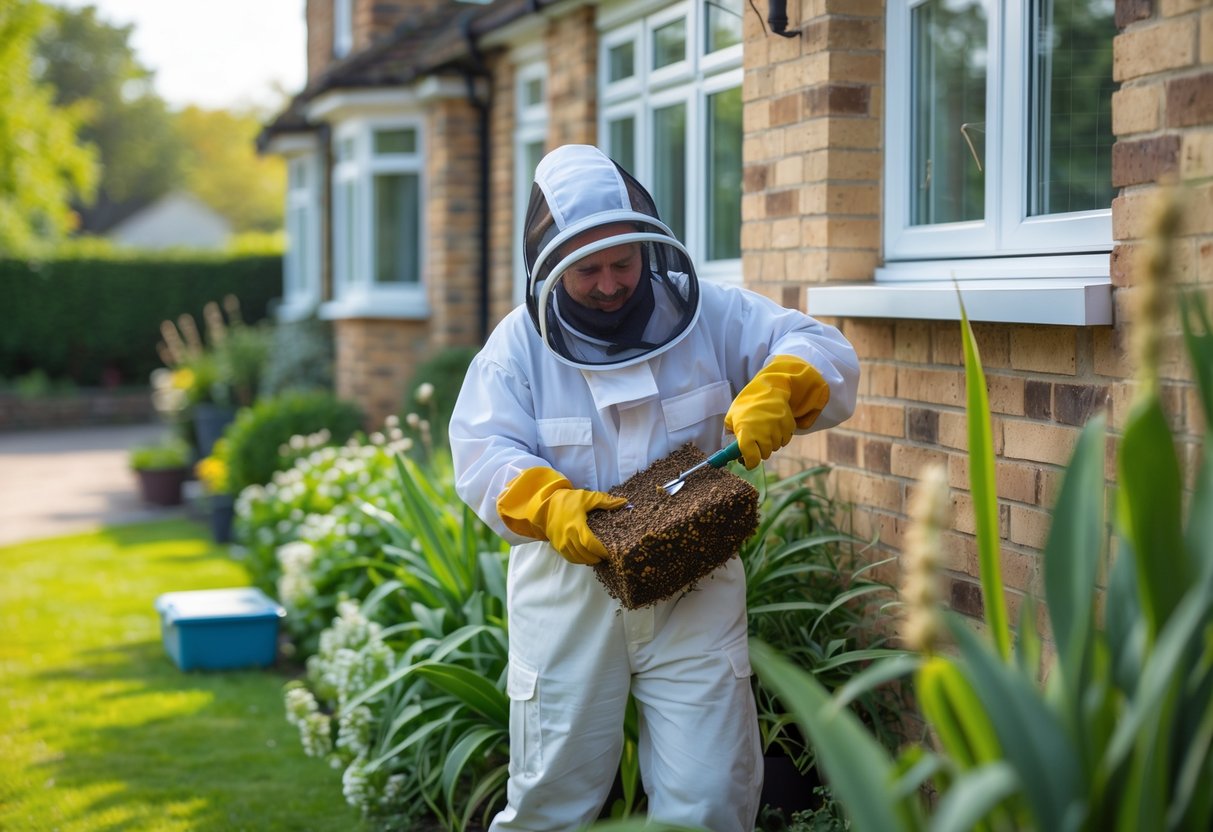
Bees play a huge role in the environment, and their numbers are already dropping. So, it’s best to skip harsh chemicals or destroying the hive.
Try natural repellents like citronella or cinnamon, or just reach out to a local beekeeper for advice.
If you know how to handle a nest safely, you can keep your home safe and still respect the bees’ place in nature.
Figuring out how to move a nest safely protects your space and gives the bees a chance to keep helping gardens and the ecosystem.
If you’re after simple, free methods that work and are gentle on bees, stick around for a few easy steps you can try today.
You can also check out How Do I Get Rid of Bees Nests Free UK Easy Tips for Safe Removal for more info.
Effective Ways to Get Rid of Bees Nests for Free in the UK

To get rid of a bee nest safely, you’ll need to figure out what kind of bees you’re dealing with. Take some basic precautions, and pick a method that lets the bees stay unharmed.
Sometimes, you’ll want to call in a professional or local beekeeper, especially if things get tricky or risky.
Identifying Bees Nests and Bee Species
Start by figuring out where the bees are living and what type they are. Honey bees usually make wax combs in dry, hidden places—think walls or roof spaces.
Bumblebees tend to like underground or grassy spots. Solitary bees, as the name says, go it alone in tiny holes or tunnels.
You need to know the species because honey bees and solitary bees are legally protected, so you can’t just destroy their nests.
Bumblebees aren’t as heavily protected, but they’re still important. Look at the nest’s shape, where it’s located, and the kind of bees buzzing around.
This helps you decide if you can use free removal options like relocation.
Important Safety Measures and Timing
Safety comes first with bees. Never try to knock down a nest in the middle of the day—bees get pretty active then, and you’re more likely to get stung.
Dusk or early morning works best since the bees aren’t as busy.
Wear protective clothing, like thick gloves and long sleeves, before you get anywhere near the nest.
If anyone nearby has bee allergies, don’t attempt removal yourself. Also, don’t mess with chemicals or insecticides unless you’re a trained pest controller with the British Pest Control Association (BPCA).
DIY Methods for Bee-Friendly Removal
You’ve got a few options to encourage bees to move on without hurting them. Try sprinkling citronella, cinnamon, or even vinegar around the area.
Planting things like eucalyptus or mint nearby can also make bees think twice about sticking around.
You can block the entrance to the nest when most bees are out foraging. This sometimes makes the whole colony relocate by itself.
Skip the mothballs or poisons—they’re bad for bees and other wildlife.
When to Contact Local Beekeepers or Pest Controllers
If none of the free tricks work, you might need some backup. Local beekeepers will often remove honey bee nests for free since they can relocate the colony safely.
If the nest is in a risky spot or the bees act aggressively, get in touch with a pest controller registered with the BPCA.
Pest control companies usually don’t kill honey bees, but they might help with bumblebee nests or other species if necessary.
Check your local forums or council websites for any free bee removal help in your area. Knowing who to call can save you hassle and keep everyone safe.
For more info, take a look at this free bee nest removal guide for the UK.
Understanding UK Bees Nests and Prevention Strategies

Bees are essential for nature, but having a nest too close to home can be stressful. If you understand how different bees act, how to keep them from coming back, and what the law says about nest removal, you’ll handle things more confidently.
Typical Bee Behaviour and Nesting Habits
In the UK, you’ll come across honey bee colonies, bumblebees, and solitary bees. Honey bees gather in large groups, sometimes thousands, and often choose hollow trees or wall spaces for their nests.
Bumblebees hang out in smaller groups, usually in underground burrows. Solitary bees, well, they go solo in tiny holes in the soil or wood.
Most bees leave people alone if you don’t disturb them. They build nests for eggs and food storage.
Their nests don’t last forever—most die out by late summer.
Preventing Bees from Returning to Your Property
If you want to keep bees from coming back, start by removing food sources like open bins or sugary drinks outside. Seal up small gaps in walls or around windows with caulk or foam.
You can also use mulch or a bit of water to gently make the nest area less appealing.
Keep up with garden maintenance. Trim plants and avoid putting flowers right next to your house if you’d rather not attract bees.
Skip harsh insecticides—they’re bad news for bees and the environment.
Legal and Ethical Considerations for Bee Nest Removal
In the UK, bees play a crucial role as pollinators, so many species get legal protection. You can’t just go out and destroy honey bee colonies or bumblebee nests—it’s against the law.
If you find a nest that’s a safety risk, it’s best to call a registered professional pest controller or a specialist bee removal service. They’ll know what to do.
Most pest controllers take their cues from the British Pest Control Association. Instead of killing the bees, they usually relocate nests.
This method is safer for everyone and helps keep bee populations stable. Before you do anything, double-check your local rules.


