
Bees really are fascinating—they help plants grow by pollinating flowers and crops. Still, as much as we need them, they bring a few downsides you might want to keep in mind.
The main disadvantages of bees? Painful stings, allergic reactions, and sometimes they mess with local wildlife and plants.
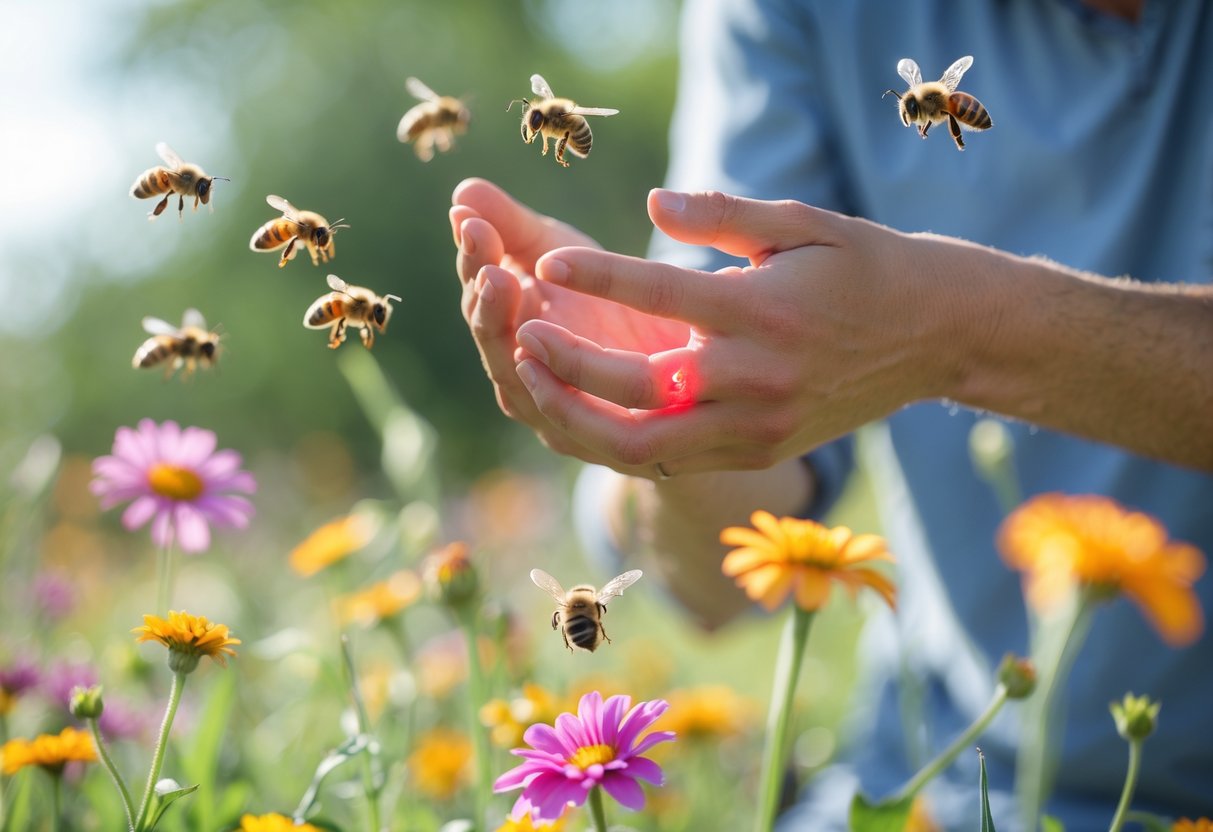
If you’re thinking about keeping bees or just wondering how they might affect your neighborhood, it’s smart to know about these challenges. Sometimes, bees become a headache for neighbors, and they might even outcompete native bees, which can throw off the local ecosystem.
Key Disadvantages of Bees
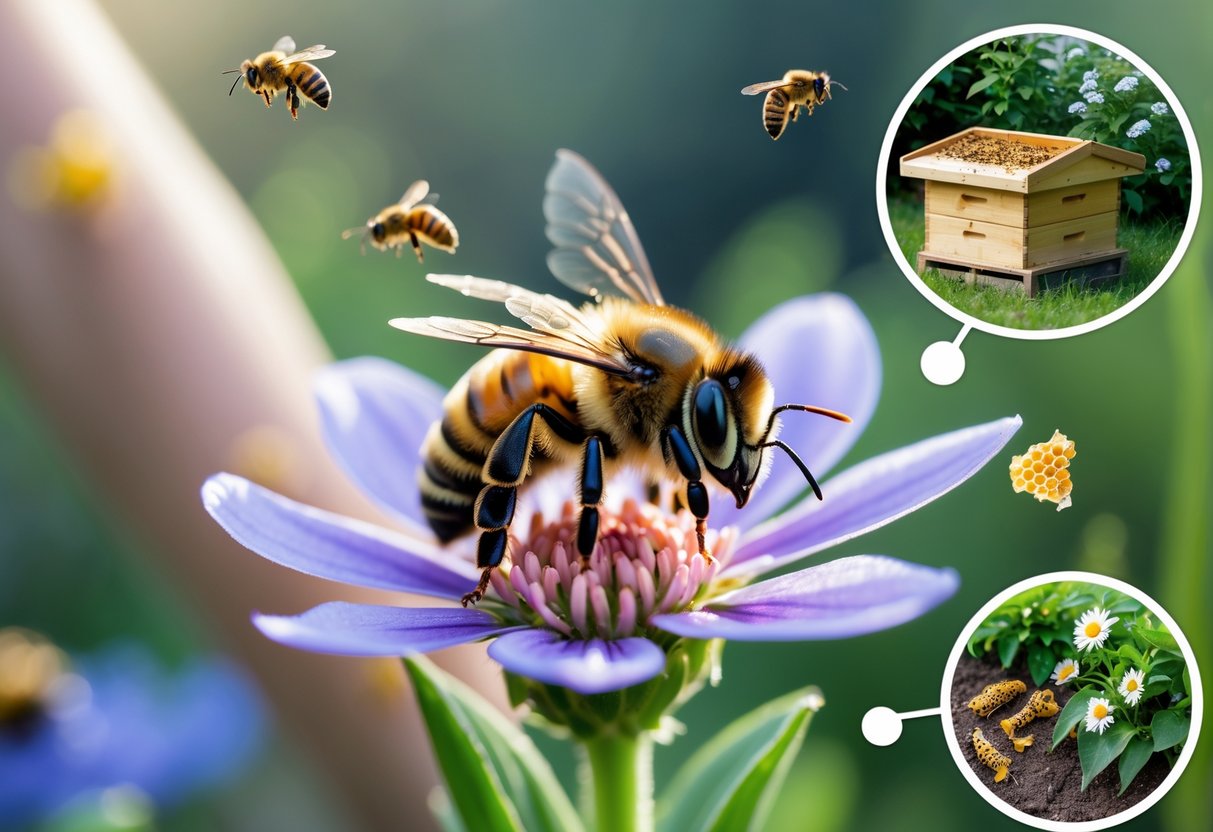
Bees can cause problems, especially if you hang out near them often. You might get stung, deal with aggressive bees near hives, or run into health risks if you’re sensitive or allergic.
Risks of Bee Stings and Allergic Reactions
Bee stings hurt—a lot. When a bee feels threatened, it’ll sting to protect itself or its hive.
You’ll usually feel a sharp pain for a few minutes, and then itching or swelling can follow. For some folks, bee stings trigger allergic reactions.
Sometimes it’s just hives, but it can get scary—think trouble breathing or swelling in the throat. If you ever see someone get dizzy or have trouble breathing after a sting, call for medical help right away.
It’s a good idea to know the signs of allergic reactions. If you’re allergic, carrying an epinephrine injector could save your life.
Aggressive Behavior Near Hives
Bees act pretty chill most of the time, but if their hive gets disturbed, watch out. If you walk too close, bees might decide you’re a threat.
Some species even release chemicals that tell the whole hive to attack. That means you could get stung by more than one bee.
If you live or hang out where there are hives, keep your distance. Loud noises and sudden moves? Not a great idea around bees.
Health Hazards for Sensitive Individuals
People with allergies or asthma can have a rough time with bee stings. Sometimes, reactions go beyond the sting spot and affect your whole body.
Even if you’re not allergic, a sting can get infected if you don’t clean it. Scratching the area lets bacteria in, so you might end up with more redness, warmth, or pain than you expected.
If you know you react badly to bees or have health concerns, avoid places with lots of bees or hives. Wearing light colors and skipping strong perfumes can help you steer clear of unwanted attention from bees.
For more on these risks and tips on handling them, check out this disadvantages of bees article.
Challenges and Downsides of Beekeeping

Starting out with beekeeping? There’s a lot to juggle. You’ll have to tackle pests and diseases, spend money and time, and deal with rules or neighbors who might not love your hives.
Disease and Pest Problems
Pests like varroa mites are a nightmare for beekeepers. These tiny parasites latch onto bees and weaken the whole colony.
If you don’t control them, they can wipe out your bees. Then there’s American foulbrood, a nasty bacterial disease that hits bee larvae and can destroy hives fast.
To keep your bees safe, you need to check your nucleus colony regularly. A smoker helps calm bees during inspections.
You’ll be monitoring health all the time. Sometimes, you have to treat colonies or swap out hive parts to stop disease from spreading.
Financial and Time Commitments
Beekeeping isn’t just about enjoying honey. You’ll spend money upfront on hives, frames, protective gear, and tools.
You might join beekeeping associations for advice, which adds to your costs. Time’s another biggie.
You need to check hives every week during the season. Look for disease, pests, and make sure your queen’s healthy.
Harvesting honey and managing everything can take hours, especially if you’ve got more than one colony. It’s a lot of work, but it keeps your bees happy and productive.
Local Regulations and Community Impacts
Beekeeping rules can shift a lot depending on where you live. Your town or city might set strict local regulations about where you can put hives, how many colonies you keep, or whether you need to register.
Honestly, it’s smart to check these before you get started. Nobody wants to end up breaking laws by accident.
Neighbors sometimes worry about safety—especially if someone nearby is allergic to bee stings. Good communication goes a long way.
If you share how you manage your hives and talk about the benefits of bees as pollinators, people tend to feel more comfortable. Responsible beekeeping isn’t just about you; it’s about showing respect for the folks around you.
If you want to know more about risks and costs, this guide might help: understanding the dark side of beekeeping.


