
Bees play a huge role in nature, but honestly, they come with a few headaches you should know about. The main disadvantages of bees include their painful stings, allergy risks, and the trouble they sometimes cause for neighbors or local wildlife. If you’re considering keeping a hive or just want to know more about these insects, it’s smart to look at both the positives and the negatives.
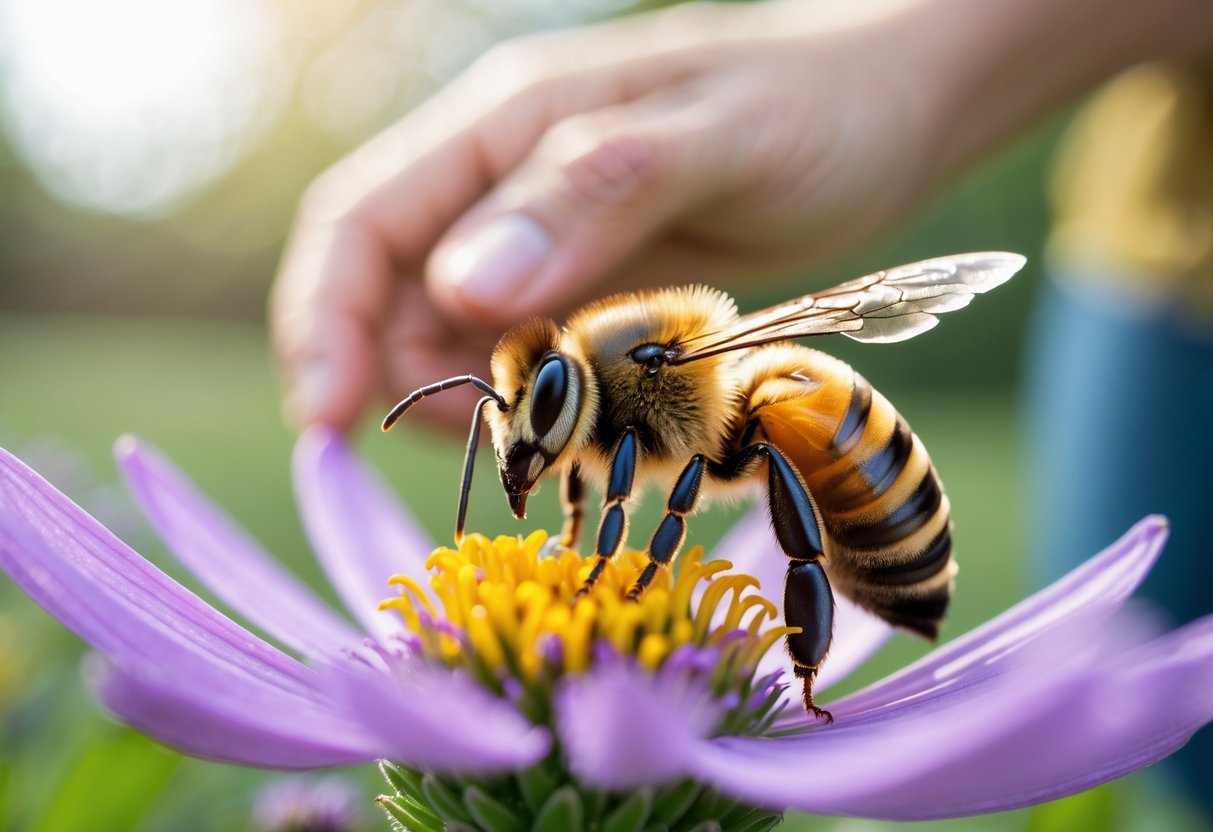
When bees feel threatened, they’ll defend their hive by stinging people or pets nearby. This can get dangerous for folks who have allergies to bee venom.
If you keep bees, you’ll have to manage the hives with care. Sometimes, this leads to awkward conversations (or worse) with neighbors who worry about safety.
Bees can also compete with native insects, and that can upset your local ecosystem in ways you might not expect.
If you know the downsides, you can make a more informed choice about whether bees are a good fit for your yard or neighborhood. It also helps you figure out how to live safely with these important but sometimes tricky bugs.
Want more details about the risks and issues with bees and hives? There’s plenty of info online if you want to dig deeper.
Main Disadvantages of Bees
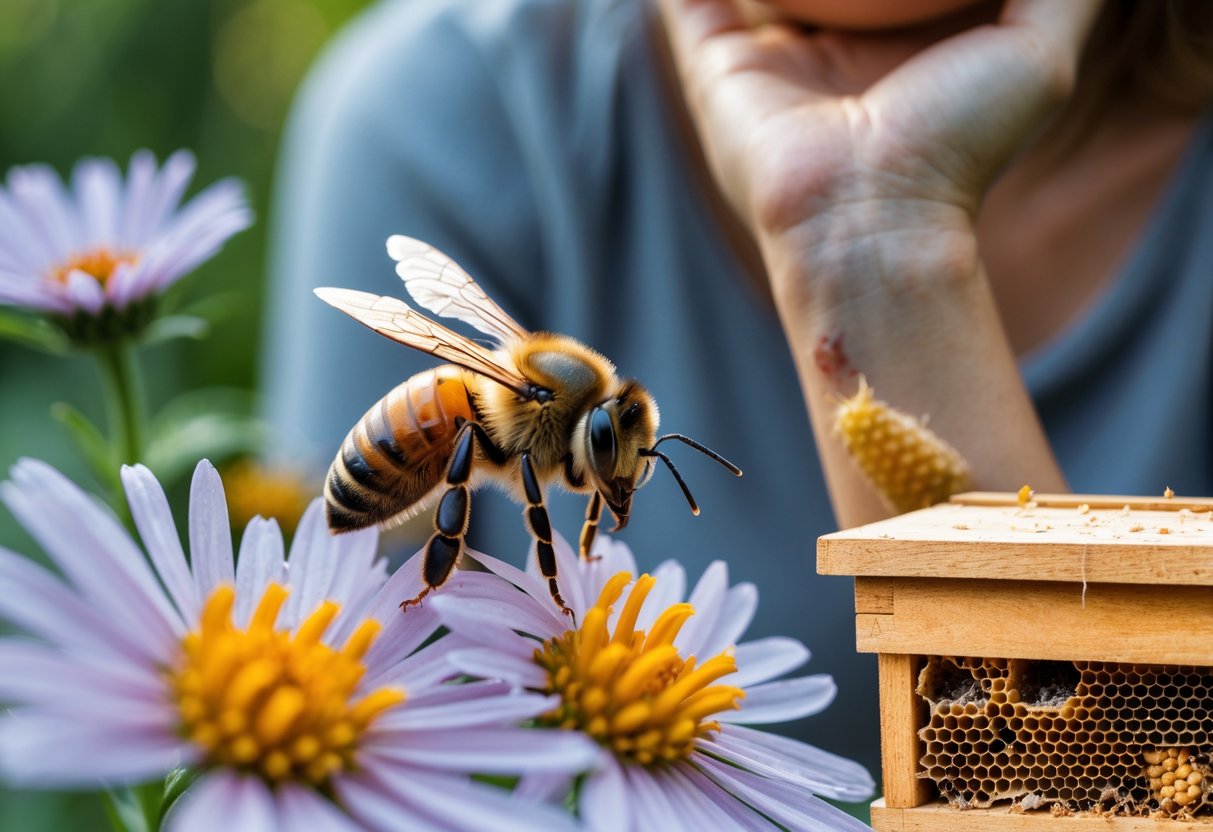
Bees offer a lot, but let’s face it—there are some drawbacks you should keep in mind. Dealing with stings, allergies, beekeeping hassles, and local rules all shape how bees fit into your life.
Risk of Bee Stings
Bee stings are probably the most common issue you’ll run into. Bees usually sting only if they feel threatened—like if you wander too close to their hive or accidentally step on one.
A sting causes sharp pain, swelling, and redness around the spot. Bees leave their stinger behind, and it keeps releasing venom for a bit.
If you get stung, pull out the stinger quickly to cut down on pain and swelling.
If you’re keeping bees, wear protective clothing and use tools like a smoker to calm them down. This can really lower your chances of getting stung while working near your hive.
Allergic Reactions to Bee Stings
Some people have strong reactions to bee stings. Allergies can range from mild swelling to scary stuff like trouble breathing or even anaphylaxis.
If you or someone close to you has a known allergy, you need to be ready. Keep emergency medicine like an epinephrine auto-injector handy if you’re raising bees or spend a lot of time around them.
Learn the warning signs of severe reactions so you can act fast if something happens.
Most people don’t have allergies, but even normal reactions might make you rethink having bees nearby.
Challenges for Beekeeping and Backyard Settings
Beekeeping can be super rewarding, but it does take work and brings its own set of problems. You’ll have to maintain hives, protect bees from pests, and deal with weather changes.
Backyard beekeeping can lead to issues like swarming, where bees leave to start a new colony. This can really freak out your neighbors or cause confusion.
You’ll spend time learning how to care for bees and need gear like protective suits and smokers. Beekeeping demands effort and attention to avoid headaches.
Regulatory and Community Concerns
Lots of places have local rules that control beekeeping. You might need permits or face limits on how many hives you can keep.
These rules aim to protect neighbors and keep things safe. Neighbors might worry about stings or swarming, so it’s smart to talk with them about what you’re doing.
Joining beekeeping associations can help you stay on top of regulations and get advice from other keepers. These groups make responsible beekeeping easier in your area.
Environmental and Health Impacts
Bees play a huge part in pollination, but they can also affect your environment and health in ways you might not expect. Some problems show up in how they interact with local plants and pollinators.
Other issues pop up from diseases they carry or from pesticides used around them. These things can hurt both bees and the ecosystems you care about.
Impact on Native Plants and Pollinators
When you bring honey bees into an area, they compete with native pollinators like butterflies and wild bees for pollen and nectar. This competition can mean less food for native species, which affects their survival.
Honey bees sometimes spread diseases to native bees. They might also prefer invasive plants over native wildflowers, which can throw your local ecosystem out of balance.
In some places, native bee numbers have dropped because of this competition and disease spread. That means pollination could become less reliable over time, which isn’t great for your garden or local crops. If you want to know more, there are articles out there on why honey bees can be bad for native pollinators and plants.
Bee Diseases and Parasites
It’s easy to overlook, but bees often struggle with diseases and parasites that hit their colonies hard. The varroa mite is a big one—these tiny pests latch onto bees, weaken them, and spread viruses.
American foulbrood is another nasty disease that can wipe out entire colonies. It targets bee larvae, making it a real threat for beekeepers and the local environment.
If you don’t keep these diseases in check, you’ll probably see fewer bees around. Less pollination means your garden or farm could suffer.
Keeping your bees healthy takes careful management and regular checks for these problems.
Pesticide Use and Habitat Loss
Farmers and gardeners use pesticides that can really mess with bees. These chemicals often hit their health and even change how they act.
Even a little bit of pesticide can cut a bee’s life short or make it harder for them to pollinate. That’s not great news for the flowers or for us, honestly.
When new development or climate changes eat up wild habitats, bees lose access to the wildflowers and plants they depend on for food. They end up searching harder for pollen and nectar, and sometimes they just can’t find enough.
It’s not just honey bees that struggle—native pollinators feel the squeeze too. If you want to help, think about protecting natural spaces and going easy on the pesticides.
Curious about how all this affects bees? There’s a lot more to learn about the impact of pesticides and shrinking habitats on these important pollinators.


