
Ever wondered why your bees seem restless or just downright grumpy? Usually, it means something’s off in their world.
Bees get unhappy when they don’t have enough food, when their queen goes missing, or when the weather turns nasty. Overcrowding, pests, and loud noises near the hive can also stress them out.

Your bees really don’t appreciate hot, humid days or too much direct sunlight blasting their hive. These things make them moody and way more likely to act defensive.
If you understand what bothers bees, you can actually create a calmer, safer place for them to thrive.
Paying attention to their needs and environment helps you avoid upsetting them. A healthy, happy colony just works better.
Learning the signs of unhappy bees makes you a better beekeeper—maybe even a better protector of these amazing insects.
Curious about other challenges bees face? Check out why bees get aggressive in late summer and what else might stress them out.
Key Triggers That Make Bees Unhappy
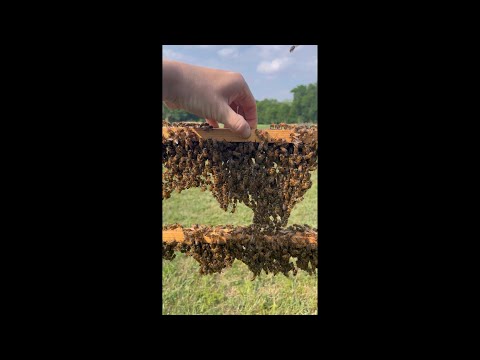
Usually, bees run into trouble because of food issues, threats to their hive, or health problems inside. These stresses make them more defensive and distract them from their work.
Food Scarcity and Nectar Dearth
Bees need nectar and pollen to feed themselves and their larvae. When there’s a nectar dearth—basically, a lack of flowers blooming—bees get stressed and hungry.
Droughts, bad weather, or early spring before flowers bloom can all cause this.
Without enough food, bees get irritable and might sting more. They send out alarm pheromones to warn the hive, ramping up the colony’s defenses.
You’ll probably notice more buzzing and aggressive behavior when food runs low.
It helps to make sure your bees have access to plenty of blooming plants or to offer them some extra food.
Predators and Hive Invaders
Hornets, wasps, or other predators freak bees out when they try to invade the hive. These pests steal honey or attack the bees, putting the whole colony at risk.
When bees sense danger, they release alarm pheromones that trigger a wave of defensive behavior.
These threats keep bees on high alert. You’ll see them flying in zig-zags or even biting and stinging to protect the queen and larvae.
Clearing the area of predators or setting up traps can really cut down on this stress.
Colony Health and Pests
A healthy colony stays calmer. One of the worst problems? The Varroa mite—a tiny, nasty pest that feeds on bees.
When mites infest a hive, bees grow weak and way less tolerant of disturbances.
Pests or diseases push bees to produce more alarm pheromones, making them defensive. Poor nutrition plus mites can even lead to colony collapse.
Regular hive checks and treating for varroa mites help keep your bees healthy and less cranky.
Loss of Queen or Disrupted Pheromones
The queen bee’s presence and health set the tone in the hive. She gives off special pheromones that keep everyone calm and organized.
If the queen dies or her pheromones fade, the colony gets confused and stressed out.
Without those clear signals, worker bees may start acting defensive or even aggressive. The hive’s social order just falls apart.
Bringing in a new queen quickly can calm things down and restore order.
Behavioral Signs and Environmental Stressors

Bees make it pretty obvious when they’re stressed. You’ll see changes in how they act, whether they’re passing by flowers or guarding the hive.
Weather or even weird smells can throw them off, too.
Bee Behavior Changes Under Stress
Stressed bees just don’t act the same. They might skip visiting flowers or rush through collecting nectar.
Sometimes, you’ll notice they’re less curious or just not as active.
Oddly, stress doesn’t always mean they’re hungrier. Studies say stressed bees eat about the same amount of sugar as calm bees.
So, it’s really about their mood and behavior, not hunger.
You might spot bees acting withdrawn or a bit confused. These changes mess with their ability to pollinate and keep the colony strong.
Aggressive Honey Bees and Defensive Responses
When bees feel threatened, they can get aggressive fast. Maybe you’ve seen angry bees or watched honey bees sting when disturbed.
Stressors like overcrowding, honey robbing, or pests drive these defensive reactions.
Aggressive bees will fly right at you or buzz loudly. It’s their way of guarding the hive, but it’s also a sign they’re under pressure.
Bumblebees get irritable too, but honey bees usually defend harder because their hive is more permanent.
If you want calmer bees, check the hive often for signs of stress and cut down on anything that’s bugging them.
Effects of Weather, Sounds, and Scents
Bees really notice what’s happening around them. When the weather shifts—like if it suddenly gets cold or way too hot—they feel it right away.
Sometimes, bees just hunker down inside the hive to protect themselves. On rainy or windy days, you’ll probably see them staying in, which means they can’t go out and collect food.
Sounds and smells near the hive definitely affect how bees act. Loud noises or weird scents can make them edgy or even a bit aggressive.
Take smoke, for example. It usually calms bees, but if they catch a whiff of chemicals or pollution, they get stressed.
If you pay attention to all these little things, you can actually make life a lot better for your bees. A quiet, safe, and clean spot helps them relax and do their thing.
Curious about what else might bother bees? Check out what makes bees unhappy.


