
If you’ve ever been stung by a bee, you’ve probably wondered how long that venom actually sticks around in your body. Most of the venom clears out within a few days, as your immune system jumps in to break it down and start healing the sting area.
You’ll likely notice swelling and redness right after the sting. Usually, these fade in two or three days, but sometimes it feels like they’re hanging around forever.

How long it takes really depends on your body’s reaction. Sometimes swelling and discoloration can last up to a week or more, especially if you’re more sensitive to the venom.
Knowing what to expect helps you manage symptoms and figure out when you might actually need a doctor. Honestly, just understanding how bee venom works can make you feel a bit more in control next time you’re outside.
You’ll know what’s normal, what’s not, and when you should start to worry. That makes dealing with a sting a whole lot less stressful.
How Long Bee Venom Stays in Your Body

When a bee stings you, its venom jumps into action right away. The venom has chemicals like melittin and phospholipase A that cause pain and swelling.
Your immune system and the amount of venom you got decide how long it sticks around.
Timeline for Venom Breakdown
Bee venom usually hangs around for just a few days. Your white blood cells work pretty fast to break down the main toxins, like melittin and hyaluronidase.
Most people start to feel better within 24 to 48 hours. Redness and swelling usually calm down by then.
By day three to five, your body has typically cleared out the venom, unless you had a strong allergic reaction. Chemicals like histamine and amines, which make you itch and swell, fade away during this time.
Factors Affecting Venom Duration
Your reaction changes the timeline. If you’re sensitive or allergic, those venom chemicals make your immune system go into overdrive.
This can mean more swelling, pain, or even serious symptoms that last longer than you’d expect. The amount of venom matters too—getting more venom means your body needs more time to handle it.
If you don’t remove the stinger right away, more venom can get in. Leaving it in just makes things worse, so it’s worth checking as soon as you notice the sting.
Delayed and Severe Reactions
Sometimes your body reacts not just right away, but later too. Doctors call this serum sickness, and it can show up days after the sting with rashes, joint pain, or a fever that sticks around for up to a week.
Severe allergic reactions can drag out recovery and definitely need medical care. If you have trouble breathing or swelling spreads beyond the sting, get help fast.
Even if you think your reaction is mild, keep an eye on symptoms that last more than 10 days. That might mean you need treatment to help your body clear the venom.
For more on how long bee venom stays in your system, check out this detailed article.
Effects and Health Impacts of Bee Venom
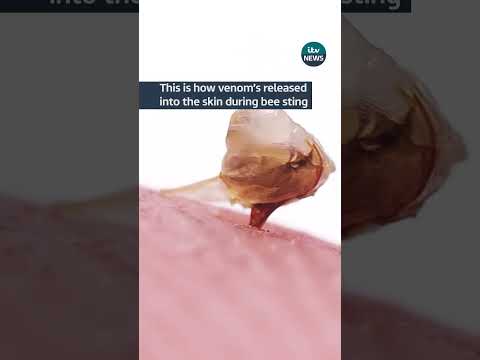
Bee venom affects your body in a bunch of different ways, depending on your immune system and how sensitive you are. Usually, you’ll just get mild pain and swelling.
But sometimes, things get serious with allergic reactions. Some folks even use bee venom for medical treatments, but that’s a whole other topic and needs a lot of caution.
Immune Response and Allergic Reactions
When a bee stings you, your immune system jumps into action. For most people, this just means pain, redness, and swelling right where you got stung.
These local reactions are normal and usually fade after a few hours or days. If you’re sensitive to bee venom, though, your immune system can really overreact.
That’s when you might get an allergic reaction, which can be anything from mild itching to anaphylaxis. Anaphylaxis is life-threatening, so don’t mess around—if you notice trouble breathing, swelling in your face or throat, or a racing heart, get help immediately.
Some people build up antibodies, making future stings riskier. It can take years for that sensitivity to go down if you avoid bee stings, but who wants to test that theory?
It’s important to know how your body reacts so you can manage the risks.
Complications from Bee Stings
Bee stings sometimes cause more trouble than just pain. If you get stung a bunch of times or have a history of allergies, you could face serious complications.
These might include big swelling, infections, or even rare stuff like serum sickness. Some people say they have long-term effects, like swelling that won’t quit or changes in their skin.
If you have conditions like rheumatoid arthritis or multiple sclerosis, a sting might trigger immune changes that can make things worse, though that’s pretty rare.
If you notice severe swelling, breathing problems, or symptoms that stick around for days, talk to a doctor. The right treatment can really help prevent lasting issues.
Bee Venom in Medical Therapy
Some people turn to bee venom in medical treatments, but let’s be real—it’s definitely not a miracle cure. Folks sometimes try venom therapy for things like rheumatoid arthritis or multiple sclerosis.
Doctors usually give these treatments through careful, controlled injections. Trained professionals handle the process, not just anyone with a bee.
Researchers still have a lot to figure out about how well this actually works. Is it safe? That’s still up for debate.
Allergic reactions can happen, sometimes pretty seriously. So, it’s a good idea to get tested first.
If you’re thinking about trying venom therapy, you should really talk it over with your doctor. Please, don’t go experimenting with bee stings on your own—it’s just not worth the risk.
Curious about what bee venom does to your body? Check out how long it takes for bee venom to leave your system.


