
Bees get unhappy when their world goes out of balance. If there’s not enough food, the queen disappears, or the weather turns bad, your bees might start acting restless or even cranky.
Hunger, crowding, disruptions, and threats from pests or predators usually top the list of what makes bees unhappy.
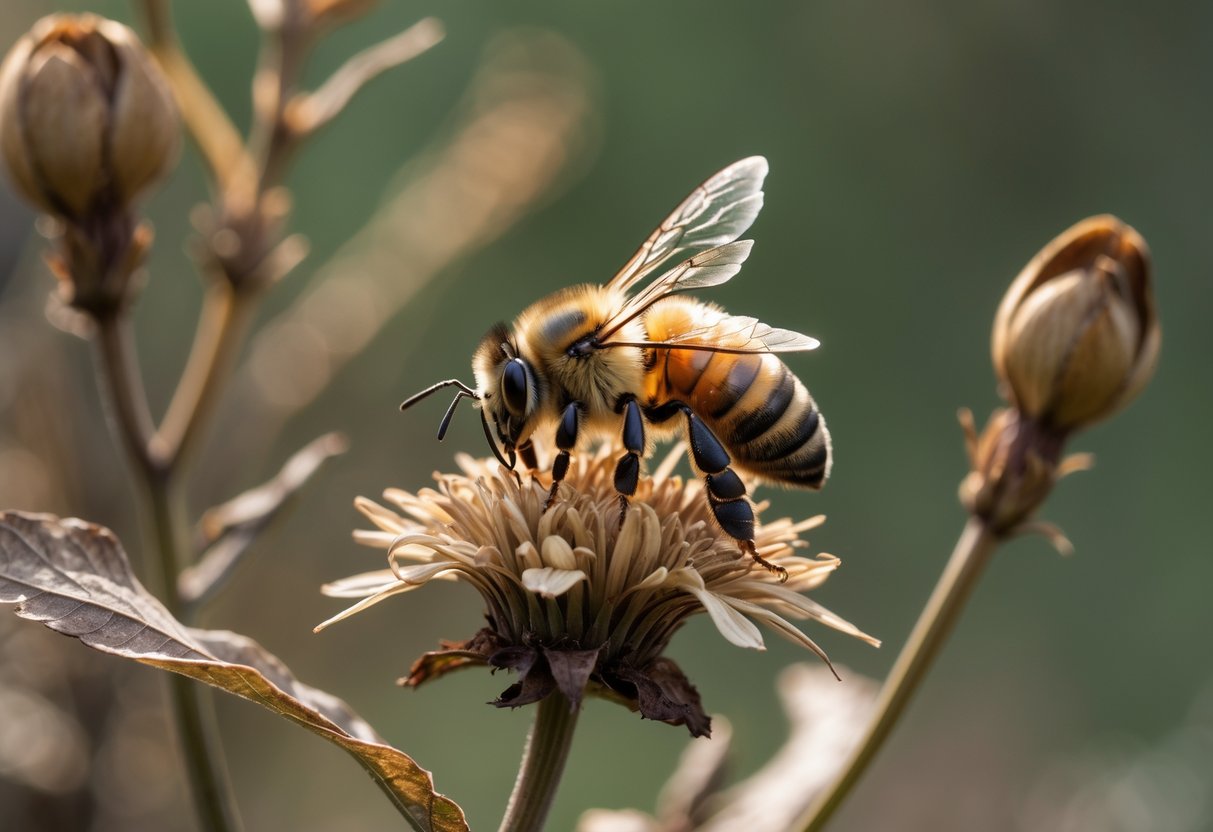
When bees can’t find enough nectar or pollen, they get stressed and fiercely protect their hive. Crowded hives, loud noises, or too much vibration can really bother them.
If the queen goes missing or something nearby scares them, you’ll probably notice the bees acting out of character.
Figuring out what bothers your bees helps you keep them calm and healthy. If you pay attention to their needs and the environment, you’ll notice your hive stays much more peaceful.
Want more on why bees get feisty? Take a look at what the experts say about what makes bees aggressive.
Key Factors That Make Bees Unhappy
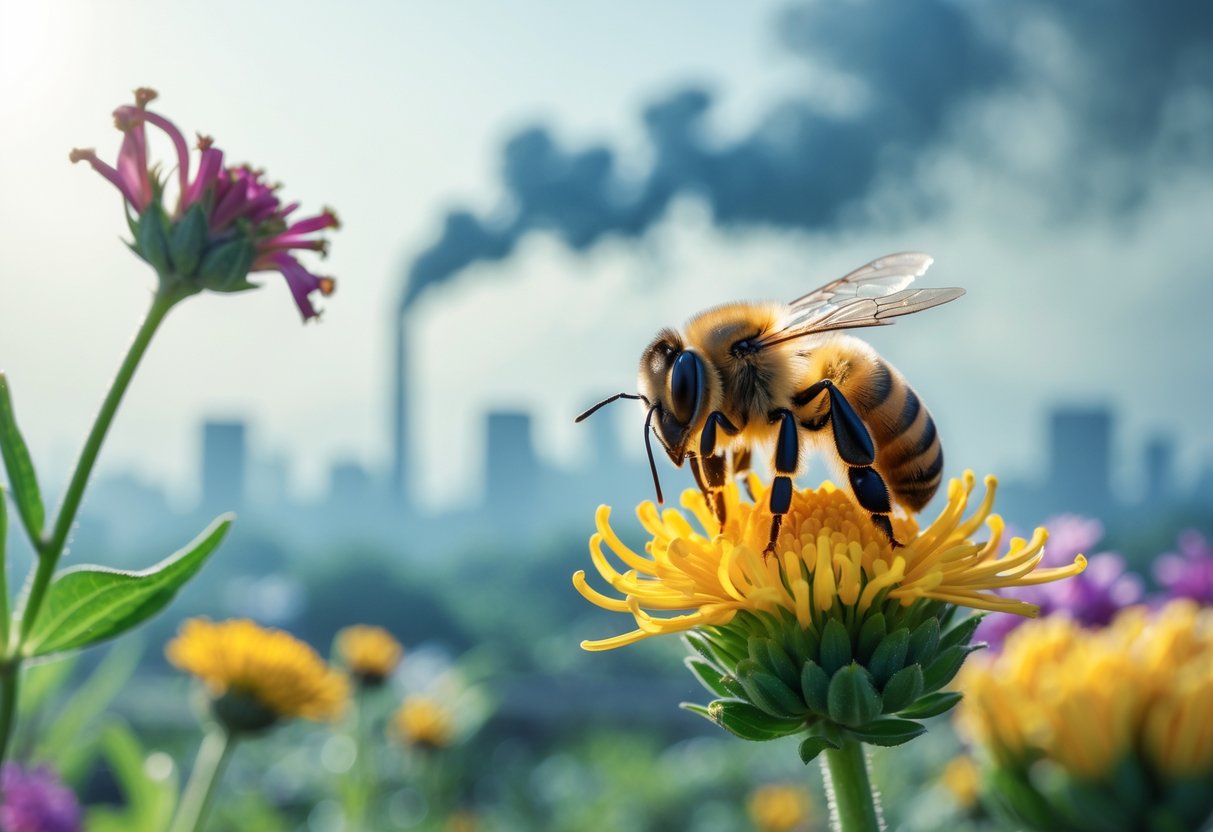
Bees face a mix of challenges that can mess with their mood. Problems inside the hive, changes in their surroundings, trouble finding food, and threats from other bugs all add up.
Colony Defense and Alarm Pheromones
When bees sense danger, they release alarm pheromones to warn the rest of the hive. If you disturb them, these signals spread fast and the bees switch to defense mode.
These chemicals spark a strong protective reaction. The more alarm pheromones in the air, the more aggressive the bees get.
Being near these signals puts bees on edge. If you know what sets them off, you can avoid trouble and keep both yourself and the bees safer.
Environmental Stressors and Habitat Changes
Bees react to weather changes—extreme heat, cold, or rain can make them irritable. When the weather’s rough, they don’t care for the hive as well.
Losing habitat because of human activity means bees have fewer flowers and places to live. They work harder just to find food and shelter.
Pesticides and pollution stress bees out even more by weakening their immune systems. If you want to dig deeper, check out how environmental stress affects bees here.
Food Scarcity and Nectar Dearth
When nectar runs low, bees get unhappy and weak. If flowers are scarce because of the season or bad weather, bees have a tough time finding what they need.
Without enough nectar, bees lose energy, and the colony can stop growing. During these “nectar dearth” periods, bees get stressed and might act abnormally.
You can help by planting flowers that bloom at different times. Avoid using pesticides that kill nectar plants. Keeping an eye on nectar sources really matters for bee health.
Predators, Pests, and Rival Insects
Bees have to deal with enemies like wasps, hornets, and varroa mites. These pests attack hives, steal honey, or spread disease.
Wasps and hornets invade hives to eat larvae or honey, which throws the bees into chaos and defense mode. Varroa mites latch onto bees and drain their strength.
If you monitor your hive and use safe ways to control mites and keep out aggressive insects, you’ll help your bees stay calmer and healthier.
| Threat Type | Effect on Bees | How You Can Help |
|---|---|---|
| Alarm Pheromones | Trigger defensive behavior | Avoid disturbing hives |
| Environmental Stress | Cause irritability, reduce health | Provide habitat, avoid pesticides |
| Nectar Dearth | Reduce energy and strength | Plant diverse nectar sources |
| Predators & Pests | Attack and weaken the colony | Monitor and control mite levels |
Behavioral and Biological Triggers of Bee Distress

Sometimes, bees get stressed because of their own behaviors or biological quirks. These triggers change how bees react to their world and can mess with the whole colony’s health.
If you understand these triggers, you’ll spot distress signs sooner and manage your bees better.
Aggressive Honey Bees and Genetics
Some honey bees act aggressively because of their genes. Certain bee strains just tend to be more defensive.
If a bee feels threatened, it releases pheromones like isopentyl acetate to warn the others. This sets off nearby bees too, making the whole colony jumpy.
Aggressive bees are much more likely to sting, which gets tricky if you handle them often. Wild and feral colonies show these behaviors more.
To cut down on aggression, you can choose gentle breeds and keep things calm around the hive. Knowing a bit about bee genetics really helps if you want a friendly hive and fewer angry bees.
Queenlessness and Social Disorganization
Bees depend on their queen to keep the colony running smoothly. She gives off pheromones that signal order and unity.
If the queen dies or disappears, the colony gets stressed and disorganized. Worker bees stop caring for larvae or defending the hive well.
Without their queen, bees get confused and act unpredictably. You might notice more aggression as the colony gets anxious.
If you spot queen loss early, you can step in and help restore order.
Human Activities and Disturbances
People can upset your bees pretty easily. Loud noises, checking the hive too often, or handling them roughly stresses them out.
Bees react by getting agitated—and honestly, they’re more likely to sting when they’re on edge.
Pesticides and pollution hurt bee health too. They make bees weaker and leave them open to diseases.
This extra physical stress just piles on top of their behavioral stress. It doesn’t help their mood at all.
If you work with bees gently and try not to disturb them too much, you’ll notice your hive stays much calmer.
Keep chemicals away from your bees whenever you can. Supporting their natural health really goes a long way.
Even small tweaks to how you care for them can make a difference. Happier bees are just less aggressive—who wouldn’t want that?
Learn more about how to recognize and manage these stressors from detailed studies on bee behavior triggers.


