
If you’ve got bees hanging around your home and want a safe, easy fix, you might want to try making your own bee killer. Honestly, the best homemade bee killer is just a spray made by mixing dish soap with water—it’s simple, works well, and you probably already have what you need.

The soap and water combo breaks down the bees’ outer layer, which makes them die pretty quickly and without a bunch of nasty chemicals. You could add essential oils if you want to boost the spray’s power or make it a bit more eco-friendly.
This solution helps keep your family safe and skips the cost of commercial insecticides. Want to know how to actually make it and see a few other natural ideas? Keep reading for some homemade bee killer options you can try out. For extra details, check out how to kill bees with household items.
Homemade Bee Killers: Best Solutions and How They Work

You’ve got a few easy options for dealing with bees at home. Most of these use stuff you already have, and they avoid harsh chemicals.
Some methods suffocate bees, while others just keep them away or trap them.
Top Homemade Bee Killer Recipes
A lot of people use dish soap and water. Just mix one part soap with two or more parts water.
Spray it right on the bees or around places they hang out. It works for carpenter bees and plenty of others.
You can also try essential oils mixed with water. Oils like peppermint, eucalyptus, or citronella won’t kill bees instantly but will send them packing, which helps avoid stings.
If you want to trap bees, grab a bottle and fill it with sugar water or fruit juice. Bees fly in for the bait and can’t get out. It’s handy if you want to cut down their numbers near your house.
How Soap and Water Kills Bees
When you spray the soap and water mix, it covers the bees. The soap breaks down the oils that protect them, so they suffocate.
It also blocks their breathing pores and makes flying tough, so they stop moving fast. This trick works well for bees buzzing around plants or near a nest.
Try to spray on calm, dry days for better results. Don’t spray your garden plants—soap can hurt them.
Keep the mix away from pets and good bugs, too.
Using Vinegar as a Homemade Bee Killer
Vinegar’s another option. It’s strong and messes with bees’ senses, so they usually leave.
Mix vinegar with water and spray it on bees or carpenter bee nests. It doesn’t always kill, but it drives bees away from your place.
Be careful—vinegar can damage plants and soil if you use too much. It works better as a repellent unless you spray it right on the bees.
If you want to go gentle, try combining vinegar with other natural repellents or use it in traps. That way, you can discourage bees without doing too much harm.
For more ideas, check out homemade bee traps and natural bee killer solutions.
Safe Application and Alternatives to Killing Bees
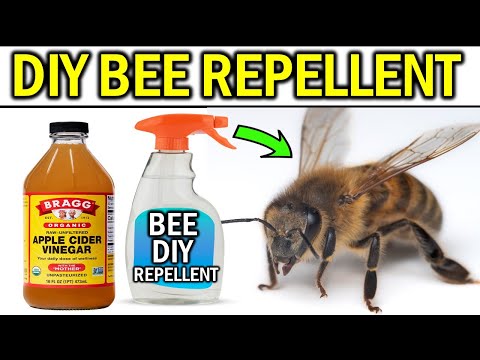
You can deal with bees safely and skip the harsh stuff. There are traps, repellents, and even ways to gently move bees somewhere else.
These methods protect you and still respect how important bees are.
Homemade Bee Traps and Bee Catchers
You can make bee traps with things you have at home. Just use a container and bait it with sugar water or fruit juice.
Bees go in but can’t get out, so you catch them without much fuss.
Bee catchers let you trap bees and release them far away. They work for yellow jackets and wasps too.
Put traps away from your main hangouts, and empty them often so you don’t bring in more bugs.
Natural Ways to Get Rid of Bees
There are safe, natural tricks to keep bees away. Smoke works—beekeepers use it to calm bees.
You could also plant things like citronella or eucalyptus to make your yard less inviting.
Skip bright colors and flowery scents outside, since those attract bees. Cover your food and drinks during picnics so you don’t end up with unwanted guests.
Sprays made from garlic or peppermint oil can keep bees at bay without hurting them or the environment. These natural options help you avoid bee problems and still do your part for nature.
Bee Repellents Versus Killers
Bee repellents try to keep bees away without actually harming them. Most of these use natural stuff, like essential oils, garlic, or even vinegar.
On the other hand, killers go straight for elimination. People use sprays or products that wipe out bees, but honestly, these can hurt good bugs and mess with the environment too.
If you want to make a homemade bee killer, stick with non-toxic ingredients. A simple mix of dish soap or vinegar with water usually does the trick.
Try applying repellents or killers in the early morning or late evening. Bees don’t buzz around as much at those times, so you’re less likely to harm them.
Repellents offer a gentler way to protect your space and let pollinators do their job. If you want more ideas on bee-safe options, check out guides on homemade bee killers and natural pest control.


