
Noticed more bees buzzing around your place lately? You might start to wonder what’s actually bringing them in.
Bees love easy access—small gaps, open doors, or cracks. They’re also on the lookout for food like flowers, fruit, and any water source nearby. If your yard offers a safe spot to rest or nest, well, it’s basically an open invitation.

Your garden might have plants like lavender or wildflowers that bees find irresistible. Even bright colors or sweet smells—like overripe fruit or trash—can lure them closer.
Figuring out what attracts bees helps you manage their visits safely. It’s all about striking a balance: keeping your space comfortable for you but still friendly for these helpful pollinators.
Curious for more details? Check out this handy guide on what attracts bees around your house.
Key Factors That Attract Bees Around Your House
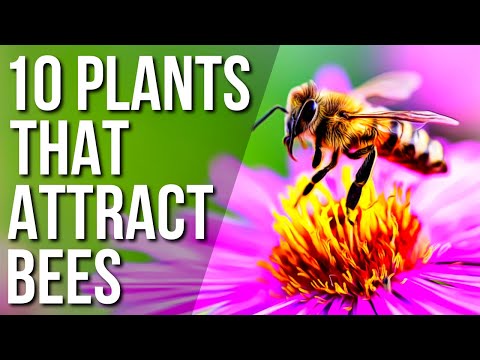
Bees show up for a few main reasons—they need food, water, and a safe place to nest. If your home or yard checks those boxes, you’ll probably spot them more often.
Let’s break down what really draws them in.
Flowers and Flowering Plants
Bees absolutely love flowers. They collect nectar for energy and pollen for feeding their young.
Plants like lavender, sunflowers, marigolds, rosemary, and thyme top their favorites list. Since these bloom at different times, bees always have something to snack on.
If you want to see more bees, plant a mix of these flowers together. Just skip the pesticides—they’re rough on bees.
But, if you’re not a fan of constant buzzing, maybe avoid packing too many flowering plants right next to your house.
Water Sources and Standing Water
Bees need water, both for drinking and cooling their hives. Fountains, ponds, bird baths, or even small puddles can all attract them.
Clean water is their first choice, so swap out bird bath water often if you want to keep them coming.
Got clogged gutters or soggy spots in your yard? Bees might use those, too. If you’d rather not have bees near your door, keep water sources away from high-traffic areas.
Sweet Substances and Food Waste
Sweet smells draw bees in fast. Leftover soda, fruit juice, or sugary snacks outside? Bees will find them.
They’re also interested in garbage with food waste or anything sticky. To cut down on bee visits, clean up spills and keep trash bins sealed tight.
Don’t leave sweet drinks or fruit sitting out, especially when it’s warm. Bees are quick to spot easy treats.
Nesting Sites and Shelter
Bees search for quiet, protected places to build their nests. Attics, wall cracks, or behind fences? All fair game.
Some bees even nest in mud or loose soil. If you see more bees hanging around a certain spot, check for gaps or hidden corners.
Seal up cracks and gaps to make your house less appealing for nesting. It’s a simple fix that can spare you a headache later.
Want to dive deeper? Here’s more on the key factors that attract bees around your house.
Tips for Reducing Bee Activity and Preventing Infestations
You can make your place less tempting by blocking entry points, using natural repellents, and keeping your yard tidy. It’s not about waging war on bees—just nudging them to hang out elsewhere.
How to Keep Bees Away from Your Home
Seal up cracks, gaps, and small openings around your home. Check spots like attics, chimneys, window frames, and vents.
Bees love hidden places for hives, so a good seal really helps. Keep your outdoor trash and food locked down, especially anything sugary.
Limit standing water, since bees need it, too. Mesh screens on vents and windows work wonders against flying insects.
Take a quick look around your home every so often for bee activity. If you spot a hive, don’t wait—get it removed safely.
If things get out of hand or you can’t reach the hive, call in a pro. These steps can really help you keep a bee-free home.
Using Natural Bee Deterrents
Natural repellents let you keep bees at bay without hurting them. Oils like peppermint, eucalyptus, and citronella work well when you spray them near doors or outdoor hangouts.
Just mix a few drops with water and spray it around spots where bees might gather. Hit doors, windows, decks, and flowerpots every now and then.
Skip harsh chemicals—they’re bad for bees and your plants. Some strong-smelling plants also make great natural deterrents.
With these tricks, you can make your place less inviting for bees—without causing them harm.
Managing Gardens and Outdoor Spaces
You want to keep bees away from your home, but you still need pollinators in your garden. Try planting flowers and plants that attract helpful bees far from your doors or windows.
Skip planting super fragrant or really bright flowers near the house. Instead, put pollinator favorites like lavender, sunflowers, and mint in a far corner of your yard.
Keep your plants healthy. Remove dead flowers and pick up any fallen fruit, since bees love easy snacks.
Pay attention to water sources, too. Move water features so they don’t sit close to your house.
If you manage your outdoor space thoughtfully, you’ll enjoy a lively yard without bees buzzing right up to your door. Want more tips? Check out What Attracts Bees Around Your House Friendly Tips to Keep Them Near.


