
Ever wondered how often frogs need water? Honestly, it depends a lot on their species and what stage of life they’re in.
Most frogs don’t drink water like mammals do. Instead, they soak it up through their skin and really need to stay in moist places to stay hydrated. So, keeping their skin wet is actually way more important than drinking water from a dish.
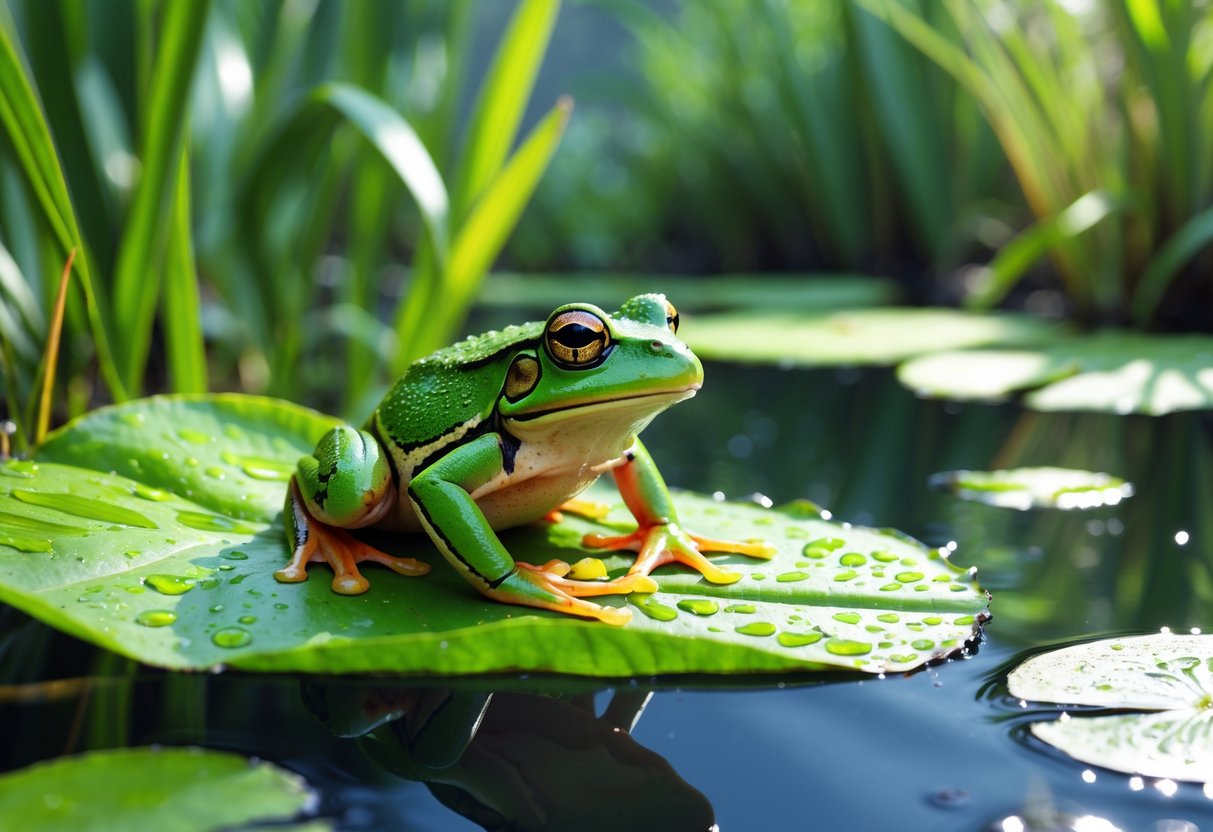
Adult frogs usually hang out near water to keep their skin moist and to breed. Some mostly live on land, though, and only head back to water when they have to.
Tadpoles are a different story. They need constant access to water because they live underwater until they become frogs.
If you care for frogs or you’re just curious, understanding these differences can really help you create a better environment for them.
Frog Water Needs and Hydration Basics
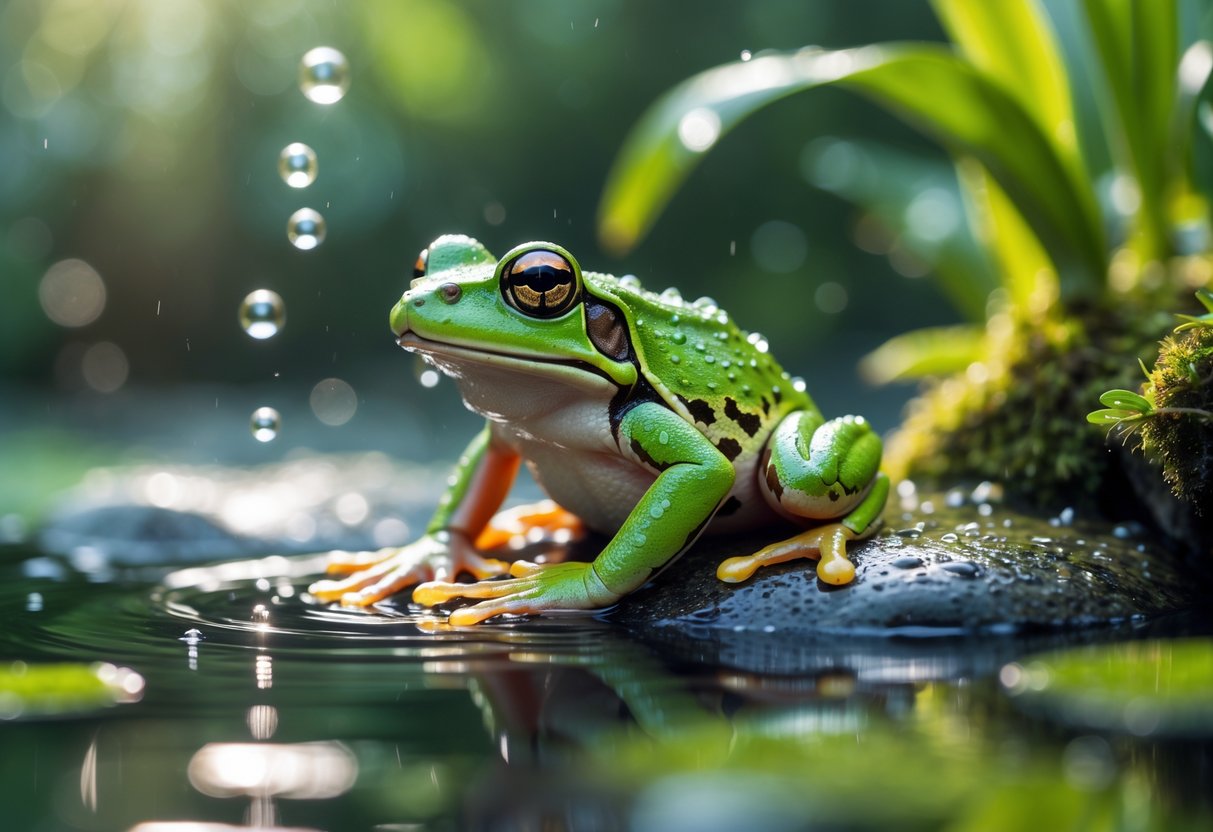
Frogs have a pretty unique way of staying hydrated, which sets them apart from most other animals.
They don’t drink water the way people do. Their skin handles most of the work.
Their water needs change depending on where they live and what kind of frog they are.
Why Water Is Essential for Frogs
Water keeps frog skin moist, which is absolutely crucial for their survival. Without moist skin, frogs can’t absorb water or breathe the way they need to.
If their skin dries out, dehydration happens fast. That can be a real problem.
Water also helps with digestion and keeps their body temperature in check.
You’ll find frogs living near ponds, wetlands, or streams because they need a steady water supply. If they don’t get enough, their health can go downhill quickly.
How Frogs Absorb Water Through Skin
Frogs don’t drink with their mouths. They soak up water right through their skin, which is thin and super permeable.
Their bellies and thighs have a special area called the pelvic patch. This patch absorbs water really well.
Frogs will press this patch against wet surfaces to “drink.” You’ll often spot them doing this in the wild.
They also stay in damp places to keep their skin moist, which helps them take in enough water to survive.
Water Requirements for Different Frog Species
Each frog species has its own water needs, depending on where it lives and its life stage.
Aquatic frogs, especially those living in ponds, pretty much need to be in water all the time. Their watery environment makes it easy for them to absorb what they need.
Terrestrial frogs live on land, but they still need access to moist spots or water every so often. Some desert frogs even have thicker skin to help them lose less water and last longer without it.
Tadpoles? They need water all the time, no exceptions. As frogs grow, their water needs shift, so it’s important to know what your specific frog needs.
If you want more details, check out how frogs absorb water through their skin and their water needs by species.
Habitats and Environmental Factors Affecting Frog Hydration

Frogs really rely on their environment to stay hydrated. Where they live and the quality of water around them matter a lot for their health.
Moist Environments and Natural Habitats
You’ll usually find frogs in damp places—think forests, wetlands, or next to fresh water. These moist spots keep their skin wet, which is important since frogs absorb water right through their skin.
If things get too dry, frogs lose moisture fast. That’s not good for them.
If you’re keeping frogs, keeping their habitat humid helps a ton. Wild frogs get moisture from dew, rain, and wet soil.
If you’re caring for one, you’ll want to mist their enclosure or provide damp spots to mimic this.
The Role of Ponds, Streams, and Marshes
Ponds, streams, and marshes are super important for frogs. They lay eggs and let tadpoles grow in these watery places.
These habitats also give frogs the moisture they need to keep their skin hydrated.
Frogs often return to water to stay hydrated and to breed. Their skin lets them soak up water easily, so having clean water nearby is a must for their survival.
Without these water sources, frogs can dry out or struggle to reproduce. It’s just how things go in the frog world.
Water Quality and Its Impact on Frog Health
Water quality really shapes how well frogs do. If the water gets dirty or polluted, it can mess with their sensitive skin and make it tough for them to soak up what they need.
Toxins and weird chemicals in the water? Those can make frogs sick pretty quickly.
If you want to keep your frogs healthy, you’ll need to make sure the water stays clean and the pH isn’t out of whack. People who keep frogs as pets should swap out the water regularly and skip anything that might be harmful.
Wild frogs depend on us to protect their natural water sources. When we keep those clean, we’re giving frog populations a better shot at thriving.
Curious for more details? You can check out this page about frogs and water quality for a deeper dive.


