
Ever heard someone mention “frog pee” and found yourself wondering what that’s all about? You’re definitely not the only one. It sounds a bit odd, but honestly, frog pee is just the urine frogs let out, usually when they’re scared or feel threatened.
Frog pee looks almost like water—super clear—and it’s one of the ways frogs try to defend themselves.
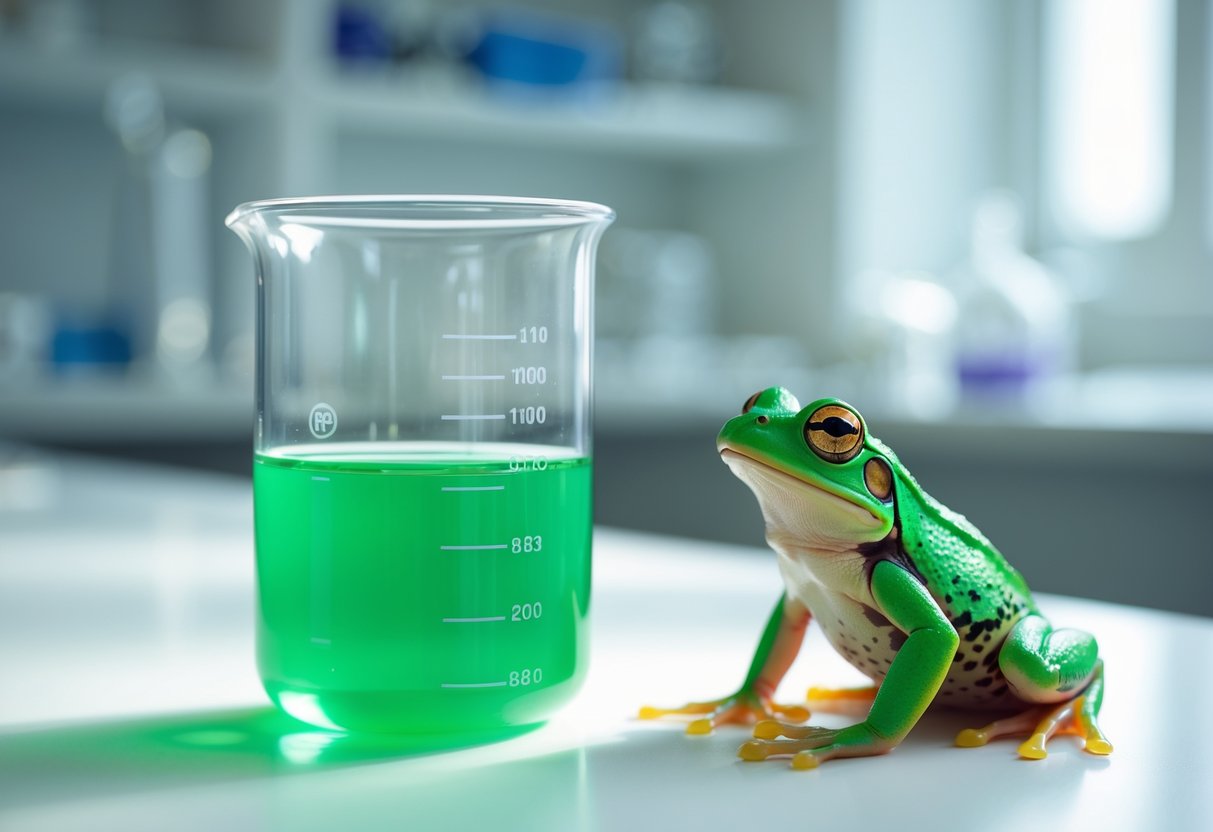
If a frog pees on you, it’s probably just stressed out and wants to make a quick getaway. The experience isn’t exactly pleasant, but frog pee isn’t poisonous.
Still, it can carry bacteria, so washing your hands after contact is a smart move.
Getting why frogs pee and what they’re up to can help you understand these quirky amphibians a bit better. Whether you keep frogs as pets or you’re just curious, knowing a bit about frog pee might make your encounters less confusing—and maybe even a little more fun.
What Is Frog Pee And Why Do Frogs Pee?

Frog pee, or frog urine, plays a key role in how frogs handle waste and look after themselves. Frogs use it to get rid of stuff their bodies don’t need, and it can also show up when they’re stressed or in danger.
Learning how and why frogs pee gives you a peek into their habits and biology.
Definition and Purpose of Frog Pee
Frog pee is the liquid waste frogs make to flush out toxins and extra water. Frogs, like us and lots of other animals, have kidneys that filter their blood and turn waste into urine.
The urine collects in their urinary bladder until they’re ready to let it go.
Since frogs are amphibians, they split their time between water and land. They have to keep their water and salt levels in check.
Frog urine helps them manage this by getting rid of wastes and keeping their bodies hydrated. It’s also part of osmoregulation, which is just a fancy way of saying they balance salt and water inside their bodies.
How and When Frogs Urinate
Frogs pee through a little opening called the cloaca, which sits at the lower end of their body. Their kidneys do the filtering, mixing waste with water.
After that, the urine moves to the bladder, where it waits until the frog decides to release it.
Frogs can actually hold their pee for quite a while, especially if water is hard to find. This helps them hang onto hydration.
When the bladder fills, they’ll urinate to get rid of waste or sometimes to conserve water, depending on what’s going on around them.
You might notice frogs pee more often when they’re stressed or disturbed. Out in the wild, they pee regularly, but stress can set off a sudden urge to go.
Defense Behavior and Stress Response
When a frog feels threatened or someone handles it roughly, it might pee all of a sudden as a defense move. That quick squirt of frog pee can surprise a predator—or anyone holding the frog—making them drop it so the frog can escape.
Stress makes the frog’s body contract its bladder, which pushes the urine out. This happens a lot in amphibians, but it can still catch you off guard if a frog pees on you.
This little trick helps frogs protect themselves. The urine isn’t poisonous, but it can have bacteria that could bother your skin or eyes.
So, if you get peed on, just wash up well. If you want to dig deeper into this odd defense, herpetology studies on amphibians cover it pretty well.
For more about why frogs pee when you handle them, check out this explanation on frog pee as a defense mechanism.
Safety And Health Considerations With Frog Pee

Frog pee isn’t usually a big risk, but it can have bacteria that might cause infections if it gets into your body through cuts or sensitive spots. Knowing how to handle frog pee safely and what it might contain helps you avoid trouble.
Is Frog Pee Dangerous to Humans?
Frog pee isn’t toxic or poisonous. Still, it can carry bacteria like salmonella, which could cause infections if it gets into open wounds, your mouth, nose, or eyes.
If the urine just touches your skin and you don’t have any cuts, it’s unlikely to cause serious problems. Some people might get a little skin irritation or itching, especially if their skin is sensitive.
To play it safe, don’t touch your face before you wash your hands well. That simple habit cuts down your risk of infection.
Common Myths Versus Facts
A lot of folks think frog pee causes warts or makes you really sick, but that’s just not true. Warts come from viruses in humans—frog urine can’t give you warts.
There’s also this myth that every frog is dangerous or poisonous if you touch them or their pee. In reality, only a handful of frogs are toxic, and their urine doesn’t have the same poison as their skin.
Bottom line: frog pee isn’t poisonous, but it’s smart to handle frogs gently and wash up after, just to avoid any infections.
Contact With Frog Pee: What To Do
If a frog pees on you, your best bet is to wash the area with soap and water right away. If you have antibacterial soap, even better—scrub your hands or any skin that got splashed for at least 20 seconds.
Check for cuts or wounds and keep your hands away from your face until you’re clean. If you get pee in your mouth, nose, or eyes, rinse those spots with plenty of water and talk to a doctor if you feel weird or notice anything unusual.
Keep an eye on your health, especially if you get a fever, redness, or swelling after contact.
Chemical Composition of Frog Urine
Frog pee mostly has water, urea, and uric acid. That’s pretty much what you’ll find in other amphibians, too.
Frogs use these chemicals to get rid of waste. Unlike mammals, they don’t have a bladder to store urine.
On top of that, frog urine sometimes picks up bacteria from their skin or whatever they’re sitting on. So yeah, it’s smart to care about hygiene after touching them.
Honestly, washing your hands after handling frogs just makes sense. It gets rid of both bacteria and waste chemicals, keeping you safer.


