
You’ll often spot frogs hopping through gardens, but do they actually stick around? Yep, frogs will stay in your garden if you give them the right food, water, and shelter. They’re drawn to places with plenty of bugs and enough moisture to keep their skin comfortable.
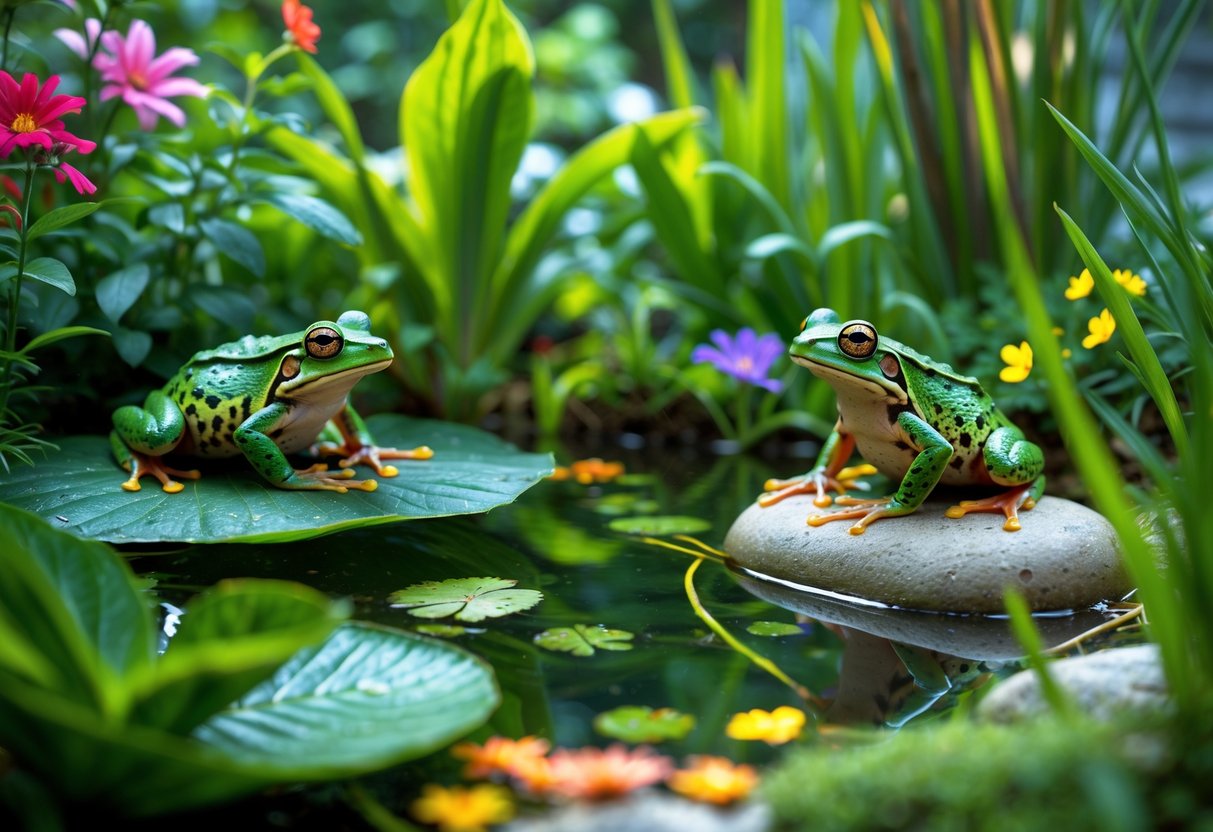
If your garden has standing water like a pond or even just some puddles, plus a bunch of bugs and leafy cover, frogs might decide to make themselves at home. You’ll probably notice more frogs during mating season, but honestly, a lot of them will hang around as long as the conditions feel right.
It helps to understand why frogs stay—especially if you’re on the fence about encouraging them or would rather see them move along. Knowing what brings frogs in and how they impact your garden gives you more control over your outdoor space. If you want to dig deeper into why frogs show up and what you can do about it, check out this article on why you have frogs in your garden.
Why Frogs Stay in Your Garden
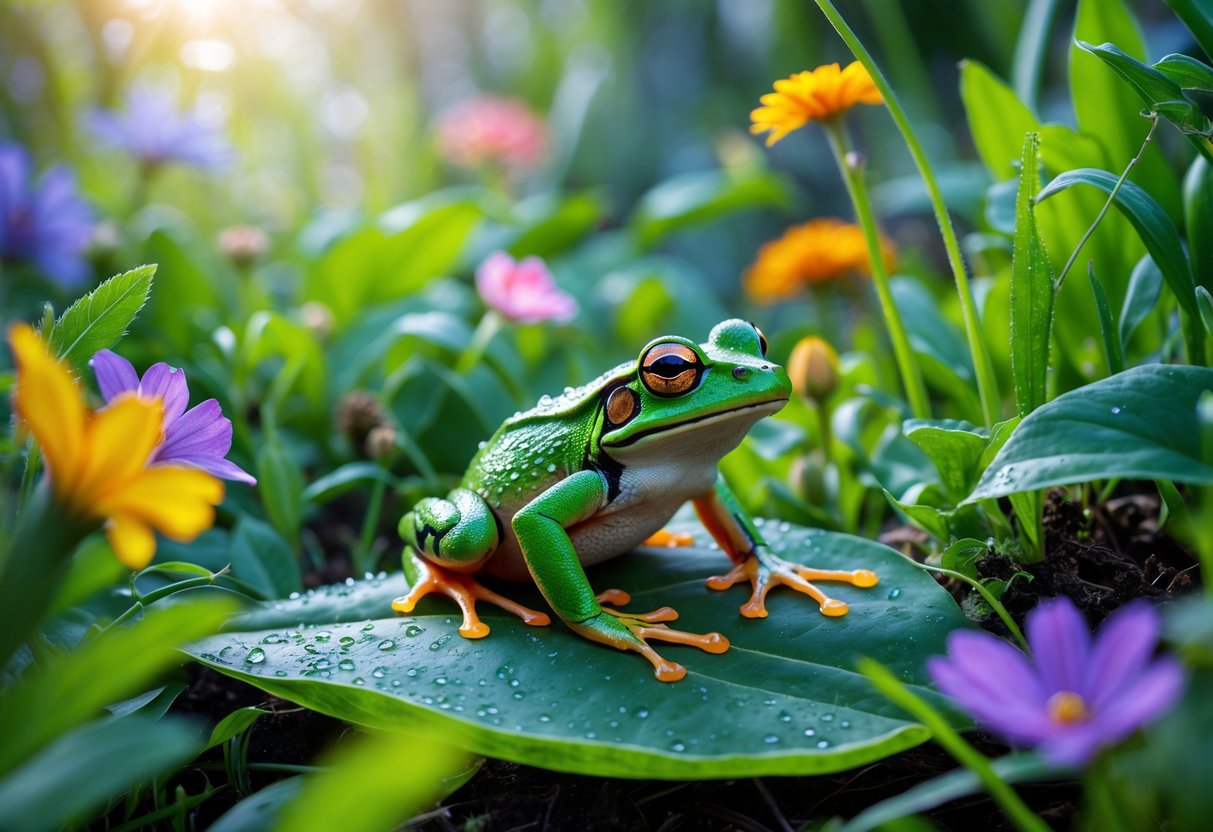
Frogs look for places with water, shelter, and food. Your garden might hit all those marks, especially if it has damp soil, lots of insects, and a few hiding spots.
I mean, it makes sense they’d keep coming back, right?
Key Attractions: Moisture and Water Sources
Frogs need moisture for their skin and to breathe. That’s why they flock to moist areas like ponds, birdbaths, or even just damp patches of soil.
If you’ve got standing water or puddles after a rain, frogs will probably see your garden as a great spot. Water also lets frogs lay eggs and raise tadpoles, so any kind of water source—permanent or temporary—can turn your garden into a breeding ground.
Cutting down on standing water can help if you’re hoping to see fewer frogs.
Shelter and Safe Hiding Spots
Frogs need places to hide from predators and bad weather. Log piles, mulch, compost, and thick plants in your garden create cozy hiding spots.
These shelters let frogs rest during the day and stay safe while hunting at night. Native plants with thick leaves keep the soil moist and give frogs cover.
If your garden has lots of little nooks and low plants, frogs will feel right at home and probably come back often.
Abundant Food: A Garden Full of Insects
Frogs eat bugs like flies, moths, caterpillars, and spiders. If your garden’s loaded with insects, it’s basically a buffet for them.
Overgrown plants and fallen fruit can attract more bugs, which means more frogs. Sure, some insects help your garden, but frogs can keep pest numbers down naturally.
If you’re trying to see fewer frogs, try to manage the insect population using safe methods.
Seasonal Patterns and Migration Habits
Frog activity changes with the seasons, especially when it’s breeding time. Male frogs croak loudly in spring or early summer to call for mates.
That noise can bring a bunch of frogs to your garden for a few weeks. Some frogs will wander short distances to find better water or shelter when it’s dry or cold.
If your garden always has water and shelter, it’ll attract frogs year-round. It’s pretty useful to know these patterns if you want to manage when frogs show up.
For more about why frogs are drawn to gardens, check out this guide on reasons frogs visit gardens.
The Role of Frogs in Your Garden Ecosystem

Frogs play a big part in keeping your garden healthy and balanced. They help manage pests, improve soil, and support native plants.
They even change their behavior with the seasons to fit what your garden needs.
Natural Pest Control and Insect Management
Frogs act as natural pest control. They eat all sorts of common garden pests—mosquitoes, beetles, aphids, caterpillars—you name it.
This cuts down on insects that could hurt your plants. Since frogs hunt both day and night, they give you pretty steady protection.
If you have frogs, you might not need as many chemical pesticides, which is a win for you and the environment. Toads help out too.
They eat ground insects and slugs, so you get a different kind of pest control. Keeping your garden moist and shady brings in both frogs and toads.
Impact on Soil Health and Nutrient Cycling
Frogs do more for soil health than you might think. Their waste puts nutrients back into the soil, which helps your plants grow.
Since frogs love moist spots, they help keep the soil damp. That’s important because it stops plants from drying out and helps good soil organisms.
If you want to encourage this, try adding small ponds or mulch areas. These simple things help frogs thrive and boost the natural nutrient cycle in your garden.
Frogs, Biodiversity, and Native Plant Life
Frogs boost biodiversity by joining the garden food web. Their presence brings in birds and other wildlife that need a healthy ecosystem.
They help native plants too. When frogs keep pests down, native plants get less damage and can grow stronger.
By supporting frogs, you’re also helping other native creatures who share the same habitat. It makes your garden a more lively, natural place for all sorts of plants and animals.
Hibernation and Seasonal Garden Changes
Frogs deal with changing seasons by hibernating when it gets cold. They’ll tuck themselves into safe, damp places—think under logs or buried in the soil—and just wait out the winter.
You’ll probably spot fewer frogs in your garden while they’re hibernating. Once spring rolls around, though, they come back and start feeding again, which honestly does wonders for keeping new pests in check.
If you get how hibernation works, you can actually help frogs all year. Try not to disturb their winter hideouts, and your garden’s ecosystem will thank you.


