
Thinking about getting a frog as a pet? You might be wondering if frogs are hard to keep alive. Honestly, it depends a lot on the type of frog and how much effort you’re willing to put in.
Some frogs, like African dwarf frogs, aren’t too tricky to keep alive—as long as you keep their water clean and set up a good environment for them.
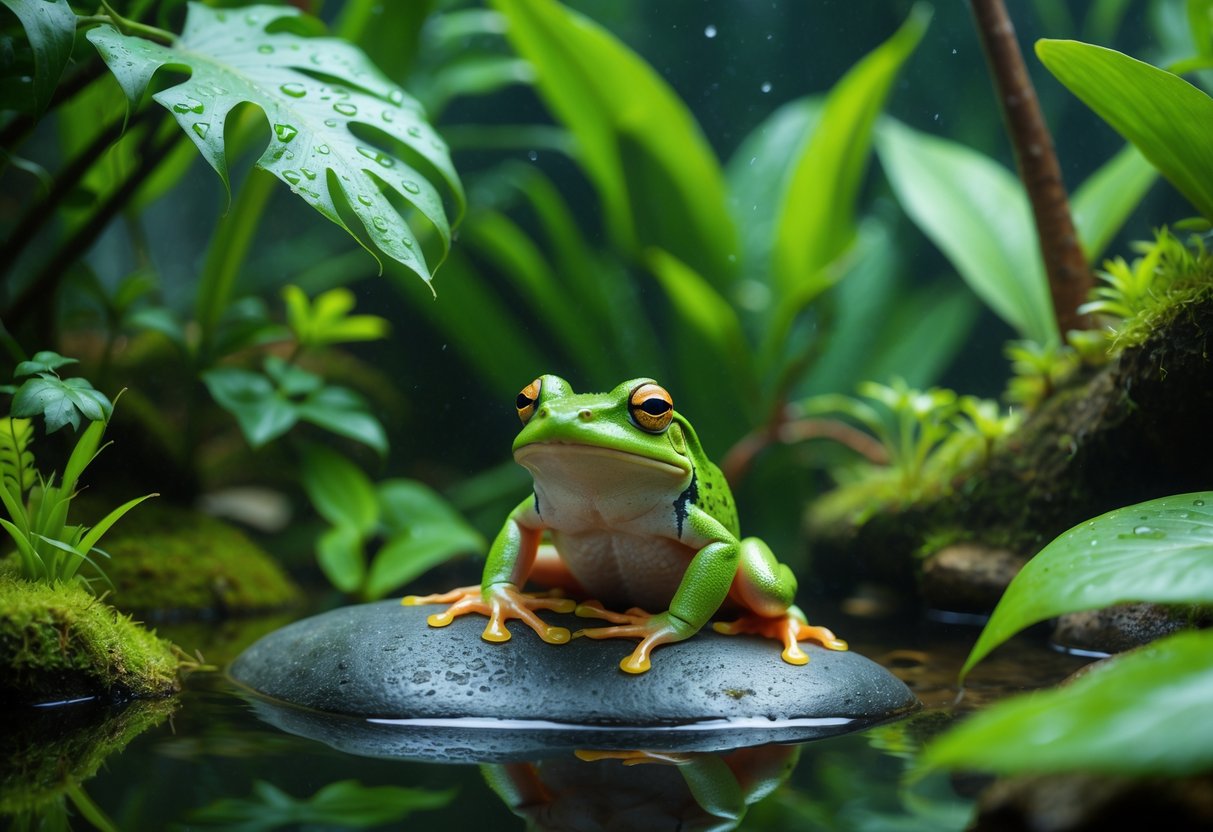
Frogs need clean water, the right food, and a cozy place to hang out. If you cover those basics, your frog has a decent shot at staying healthy.
But let’s be real—frogs are sensitive little creatures. Paying attention to their habitat and health matters a lot.
If you figure out what your frog needs and keep an eye out for common problems, you can dodge most issues that cause frogs to get sick or die.
Want your frog to thrive? Stick around for some tips that’ll make frog care way easier.
How Hard Is It to Keep Frogs Alive?

Keeping frogs alive takes some effort and a bit of attention. You have to manage their environment, know how long they live, and learn what each species needs.
Some frogs are pretty chill, but others? They need special setups.
Common Challenges in Frog Care
Maintaining the right habitat is probably the biggest challenge. Frogs need fresh, clean water and proper humidity.
If you’ve got aquatic frogs like African dwarf frogs, you’ll want warm, filtered water—but nothing too rough. Land frogs need their enclosure moist and tidy.
Feeding can get a little annoying. Frogs usually eat live food like crickets or worms, and keeping those around isn’t always fun.
Dead food or a bad diet can make your frog sick, so you have to be careful. Cleaning their tank regularly tells you a lot about their health.
Clean the tank every week and test the water often.
Don’t handle frogs with bare hands. Their skin soaks up whatever’s on your skin, and that can be bad news.
Wear gloves when you need to touch them, just to be safe.
Understanding Lifespan and Commitment
Frogs don’t live as long as cats or dogs, but they can still stick around for a while. Many species live about 5 to 10 years in captivity if you take care of them.
African dwarf frogs usually make it to around 5 years, and they don’t need complicated care. That makes them a solid pick if you want a pet but not a huge commitment.
You’ll need to check the tank and feed them every day. Frogs don’t really show when they’re sick, so you have to watch for any changes in how they look or act.
Regular attention is super important for their health.
Knowing how long a frog lives can help you decide if you’re ready for that kind of responsibility.
Some frogs need more time and effort as they age.
Species Differences: African Dwarf Frog vs. Others
Not every frog needs the same kind of care. African dwarf frogs are fully aquatic and like simple setups with clean water.
You don’t need a bunch of fancy equipment for them. They stay small and handle mistakes better, which is great for beginners.
Other frogs, like Pacman frogs or tree frogs, want more complicated habitats. They might need specific humidity, both land and water areas, or special lights.
Some are super sensitive to water quality or temperature changes, so you have to keep an eye on things.
If you want a pet that’s easier to care for, African dwarf frogs are a great choice.
But if you’re after a more active or bigger frog, expect to put in more work to keep them healthy.
Each species has its own needs, and knowing that can save you a lot of trouble.
For more tips on caring for different frogs, check out Josh’s Frogs care advice.
Essential Requirements for Keeping Frogs Healthy
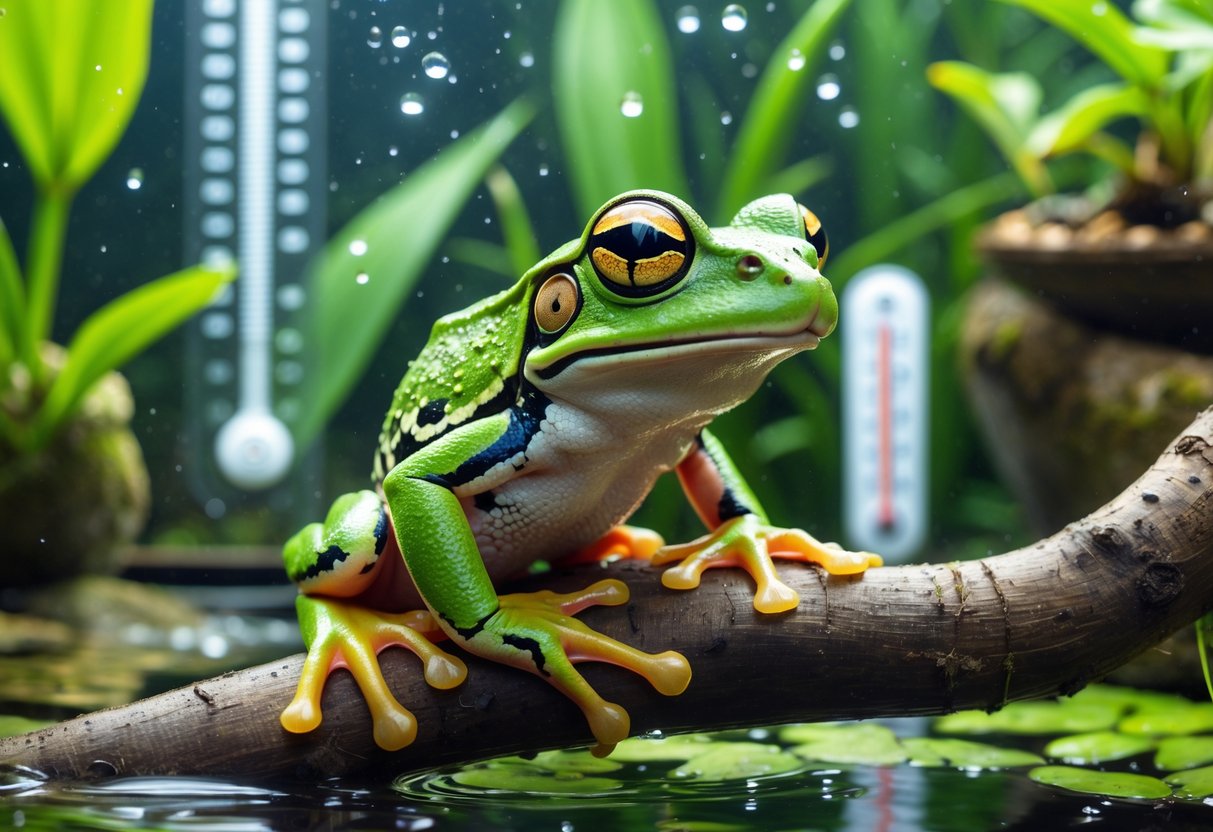
To keep your frog healthy, focus on its living space, food, and water quality. Each of these matters a lot for your frog’s health.
Paying attention to these details can help you avoid most common problems.
Habitat Setup and Maintenance
Your frog’s habitat should feel as close to its natural home as you can manage. For African dwarf frogs, set up a fully aquatic tank with calm water and plenty of hiding places.
Add plants, smooth rocks, or caves so your frog can relax or hide when it wants.
A tank that holds at least 5 to 10 gallons works for one or two African dwarf frogs. Keep the water temperature between 72-78°F (22-26°C).
Skip strong water currents—these frogs like things still.
Clean the tank regularly. Change about 25% of the water every week to get rid of waste and toxins.
Use a gentle water conditioner to remove chlorine from tap water before you add it. Stick with a soft substrate or none at all to avoid problems with irritation or swallowing gravel.
Feeding and Nutrition
African dwarf frogs eat meat, so they need a diet full of protein. Offer them small live or frozen foods like bloodworms, brine shrimp, or daphnia.
Special frog pellets for aquatic frogs work too.
Feed your frogs once a day or every other day. Only give them as much as they can eat in a few minutes so you don’t end up with rotting food in the tank.
Watch how they eat to make sure they’re getting enough.
Don’t overfeed—extra food can make the water dirty and your frog overweight. Mixing up their diet helps keep your frog looking and feeling good.
Water Quality and Filtration
You really can’t overstate how important good water quality is for your frog’s health. African dwarf frogs do best in clean, well-filtered water, but if you use a strong filter, it might actually stress them out.
I’d recommend picking a sponge filter or another gentle filtration system. You want something that keeps the water moving but doesn’t turn the tank into a river.
Try to test the water every week. Check for ammonia, nitrites, and nitrates.
Aim for 0 ppm on ammonia and nitrites, and keep nitrates under 20 ppm. If those numbers creep up, you’re risking bacteria issues and illnesses.
Doing regular partial water changes makes a big difference. You’ll keep things clean without shocking your frog.
Before you add new water, make sure it matches the tank’s temperature. The pH should land somewhere between 6.5 and 7.5.
If you rush or skip this, you might end up stressing your frog, and nobody wants that.


