
Frogs croaking at night can go from charming to downright annoying fast, especially if you’re lying awake listening to them. The trick is to make your yard less attractive by getting rid of standing water, cutting down on insects, and trying natural repellents like saltwater or vinegar.
If you target their environment and food, you’ll see fewer noisy frogs hanging around your place.
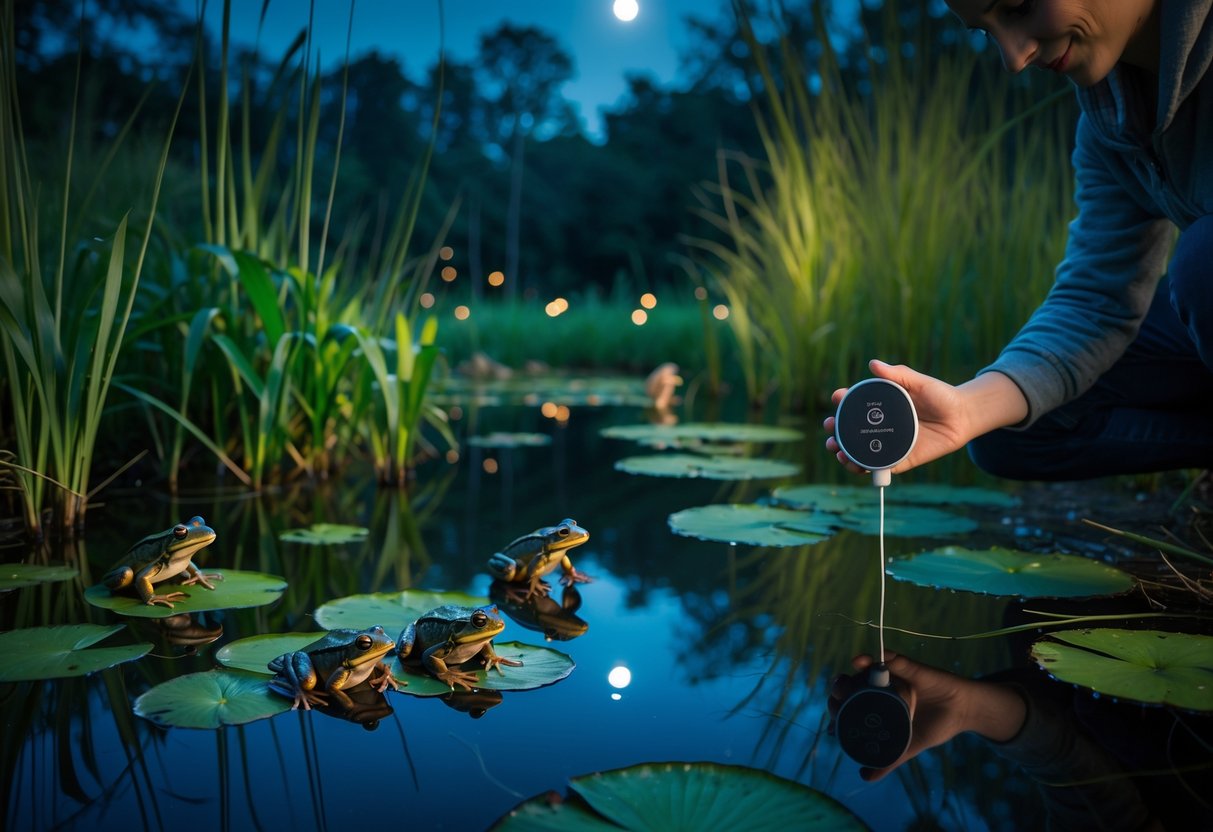
You could try scaring frogs away with loud sounds or putting out fake predators to freak them out. Sometimes just drying out wet spots or tidying up leaves and debris helps more than you’d expect.
With a few changes, those nighttime croaks won’t have to take over your evenings.
Want practical, safe ways to stop the noise? This guide covers simple tips to keep your nights peaceful without hurting frogs or the environment.
Quick and Effective Ways to Get Rid of Noisy Frogs

Start by figuring out which frogs are making all that racket. Change up your yard to make it less cozy for them.
Cutting off their food and water makes a big difference. You can use barriers or just physically remove frogs for quick results.
Identify the Frog Species
First, try to identify what type of frog you’re dealing with. Some species are harmless and even protected, so you can’t just get rid of them any way you want.
Invasive types like bullfrogs or Cuban tree frogs usually cause the most hassle.
Check out the frog’s size, color, and where you spot them. If you’re stuck, snap a photo and reach out to your local wildlife folks.
Once you know the species, you’ll have a better idea of what you can do—and what’s legal.
Modify Your Environment to Deter Frogs
Frogs love moist, shady spots with tall grass or thick plants. Trim back bushes and grass near your house and any water sources.
Fix leaks and drain puddles or standing water. That alone can help a lot.
Outdoor lights attract bugs, and bugs attract frogs. Turn off lights you don’t need at night or swap bulbs for ones that don’t draw insects as much.
Clear away clutter like wood piles or old pots—these just collect dampness.
Cut Off Food and Water Sources
Frogs mainly eat insects like mosquitoes and flies. If you cut down the bugs, you’ll see fewer frogs.
Try bug zappers or organic sprays to keep insects in check.
Drain or cover water features like birdbaths, fountains, or ponds. Frogs love to breed and hunt there.
If you have a pond you want to keep, add a filter or fountain to keep the water moving. That keeps bugs and frogs away.
Use Physical Barriers and Removal
You can keep frogs out with a fence if you build it right. Use fine mesh netting, start it at ground level, and make it tall enough to stop jumpers.
Bury the bottom a few inches underground so frogs can’t sneak under.
For fast results, catch frogs with a net and release them far away in a suitable spot. Wear gloves just to be safe.
Scoop out tadpoles and let them dry in the sun. If frogs get into your house, set up traps near doors or windows.
For more details, check out how to get rid of frogs.
Frog Repellents and Prevention Strategies

You’ve got a bunch of options for keeping noisy frogs away and making sure they don’t come back. Some are easy homemade fixes, while others are store-bought.
Limiting frog breeding spots around your home helps a lot too.
Natural and Homemade Frog Repellents
Homemade repellents can work and usually won’t hurt your yard. A popular one is citric acid and water—use about 1.3 pounds citric acid in a gallon of water.
Spray it right on frogs to send them packing.
Try coffee grounds around damp spots. The caffeine bothers frogs but won’t usually kill them.
Salt around your garden edges can keep frogs away, but don’t overdo it—salt can hurt your plants.
Another option is a vinegar spray. Mix equal parts water and vinegar, and spray it where you see frogs hanging out.
Commercial Frog Repellents
You can buy products made to keep frogs out of your yard. Some people use snake repellents since frogs avoid areas where snakes might be.
Look for frog deterrent sprays or granules at garden stores. These often have natural stuff like garlic or neem oil.
Always follow the label instructions when you use commercial repellents. Some chemicals can harm plants or pets if you use too much.
Discourage Breeding and Reproduction
Frogs love to lay eggs in still water, so you’ll want to remove or change up water sources whenever you can.
Go ahead and empty out birdbaths, buckets, or any containers that collect water on a regular basis.
If you’ve got a pond, try adding a fountain or filter to keep the water moving. Frogs just don’t find moving water as appealing for breeding.
Cut back tall grass and trim dense bushes since frogs like to hide there during the day.
Keep your yard free of leaf piles or wood stacks because those make perfect shelters for them.
And if you can, turn off outdoor lights at night. Fewer lights mean fewer insects, so frogs have less reason to hang around looking for food.


