
Frogs might look like simple creatures, but honestly, they’re packed with wild traits that let them survive almost anywhere. What really sets frogs apart? Well, they can change color to blend in, belt out loud calls to find a mate, and some even make toxins that scare off predators. These aren’t just party tricks—they’re key to how frogs manage to thrive.
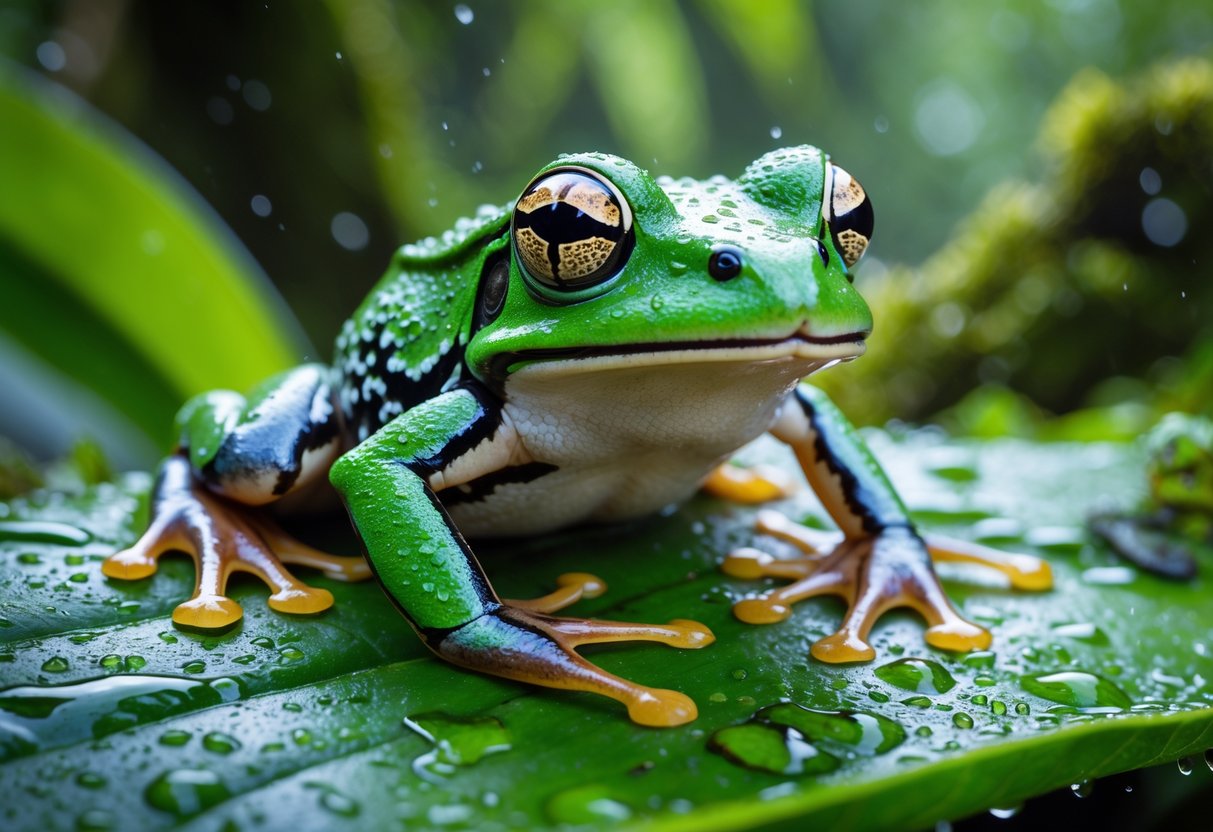
You may not notice it, but frogs help keep nature in check by munching on tons of insects. They also act as little environmental alarms, letting us know when things are off-balance.
Their habits, like hanging out at night or picking safe places to lay eggs, really show how clever they are at getting by. Once you start to see these hidden talents, frogs become a lot more interesting than just noisy neighbors in your backyard.
What Makes Frogs Unique

Frogs can live on land and in water. They’ve got bodies built for jumping and can sense changes in their environment.
Their life cycle, their odd features, and the jobs they do in nature really make them stand out.
Amphibian Life Cycle and Metamorphosis
Frogs start out as eggs in water. Tadpoles hatch from these eggs and look a lot like tiny fish, breathing through gills.
As tadpoles grow, they sprout legs, lose their tails, and develop lungs. This whole transformation is called metamorphosis.
Once they turn into adult frogs, they can hop onto land, but they still need damp spots since their skin dries out fast. The common frog, or rana temporaria, is a classic example of this wild life cycle.
Watching a tadpole morph into a frog? It’s honestly one of those nature moments that never gets old.
Fascinating Anatomy and Adaptations
Frogs have some seriously cool body parts. Their back legs are so strong they can leap more than 20 times their own length.
Their skin actually helps them breathe, especially underwater. It’s kind of amazing—like a built-in scuba suit.
Some species have tongues that shoot out lightning-fast to snatch bugs. And with over 7,000 amphibian species, frogs come in a wild mix of colors and shapes.
These little differences help them stay safe and snag food in all kinds of ways.
Bioindicator Abilities of Frogs
Think of frogs as nature’s early warning system. Their thin, sensitive skin lets them pick up on pollution or other problems before most animals do.
If frogs start vanishing or looking sick where you live, it usually means something’s wrong with the environment. Since they split their lives between water and land, changes in either place impact them fast.
Scientists keep an eye on frog populations to track pollution, climate shifts, and habitat loss. When we protect frogs, we’re actually helping ourselves and the planet.
If you want more on this, check out 20 Fascinating Facts About Frogs.
Why Frogs Are Essential for the Planet

Frogs do a ton to keep nature balanced. They control bug populations, feed other animals, and even give us clues about the health of the environment.
Plus, they’ve got secrets that might help with future medicines. At the same time, frogs face some big threats, and honestly, they need all the help they can get.
Vital Roles in Ecosystems and Food Webs
Frogs act as both hunters and the hunted. They gobble up insects like mosquitoes, which helps keep those pests in check.
That means fewer bugs spreading diseases. Frogs also serve as meals for snakes, birds, and mammals—so lots of animals rely on them.
Tadpoles help clean up ponds and lakes by eating algae and debris. That keeps the water clearer and healthier for everything else living there.
If frogs disappeared, a lot of ecosystems would get thrown off balance. Even people would notice the change, especially when it comes to clean water.
Medical Discoveries From Frog Species
Frogs make chemicals on their skin that fight off bacteria and fungi. These natural defenses might turn into new medicines, especially as some germs get tough to treat.
Scientists study poison dart frogs for their powerful compounds, hoping to create new painkillers and antibiotics. It’s kind of amazing to think a tiny frog in the rainforest could help save lives someday.
Threats Facing Frog Populations Today
Frog numbers are dropping fast all over the world. Lots of species are teetering on the edge of extinction.
Habitat loss from logging and construction, pollution, climate change, and nasty diseases like chytridiomycosis all put frogs in danger. Invasive species, over-collecting for pets or food, and harmful chemicals also cause major problems.
Because frogs react quickly to pollution, their decline is a warning sign for other wildlife—and for us, too.
Conservation Efforts to Save the Frogs
You can actually help save frogs just by supporting efforts that protect their habitats and cut down on pollution. It really makes a difference when people create and keep clean wetlands, forests, and freshwater spots.
Groups like save the frogs jump in to stop illegal trade and tackle the spread of disease. They put in a lot of work behind the scenes.
Education matters a lot here too. Once people realize why frogs are so important, they’re more likely to step up and help.
Conservationists also run breeding programs for endangered frogs. They dig into research, always looking for new ways to fight off diseases that threaten frogs everywhere.


