
Ever wondered how often frogs eat? Trust me, you’re not the only one. Figuring out their feeding schedule can make a big difference, whether you’re caring for a pet frog or just curious about wild ones.
Most frogs eat every one to two days, but it really depends on their age, species, and environment.
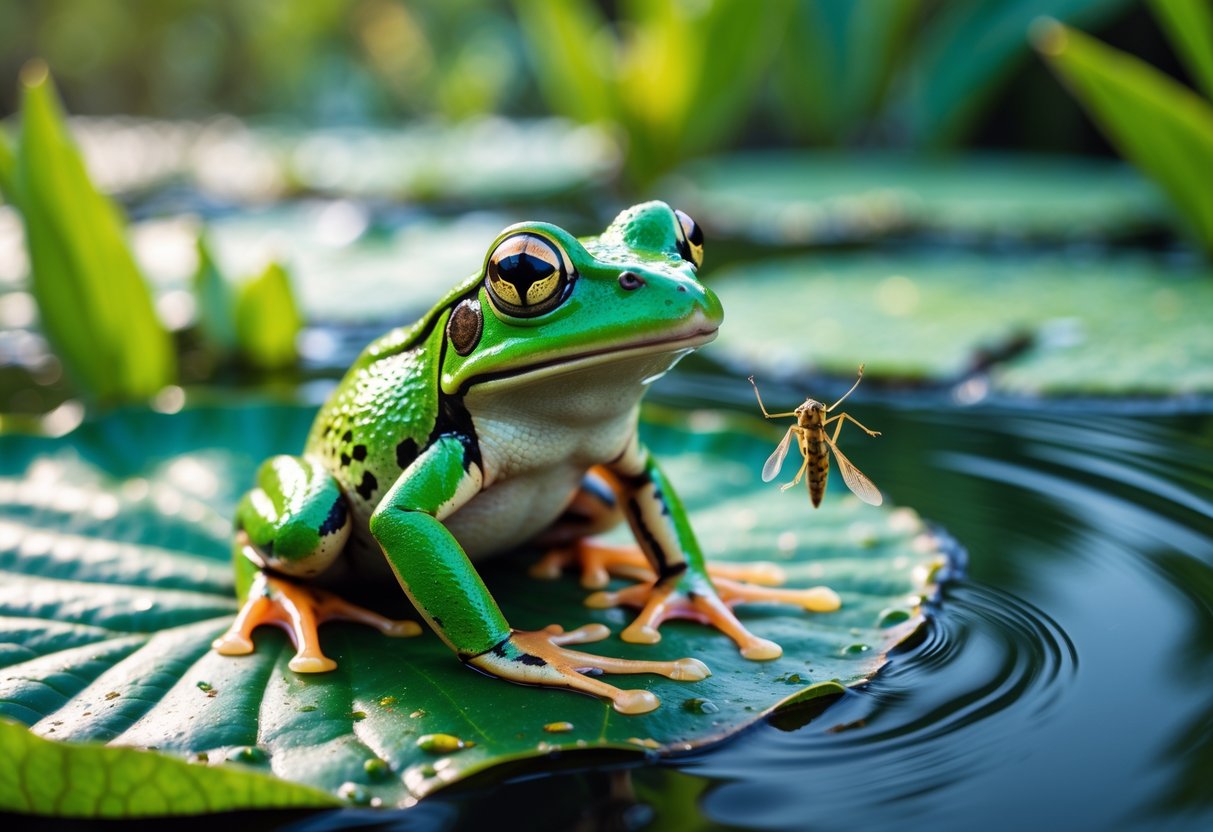
Young frogs chow down more often since they’re growing quickly. Adult frogs? They might only need food every couple of days.
Seasonal shifts can change things up too. Wild frogs sometimes eat less during cold months when food’s hard to find.
If you keep these patterns in mind, your frog will have a better shot at staying healthy and happy. Whether you’re a frog owner or just a fan, learning about their eating habits is a solid place to start.
You can get even more info about feeding habits and diets at how often do frogs eat.
How Often Do Frogs Eat?
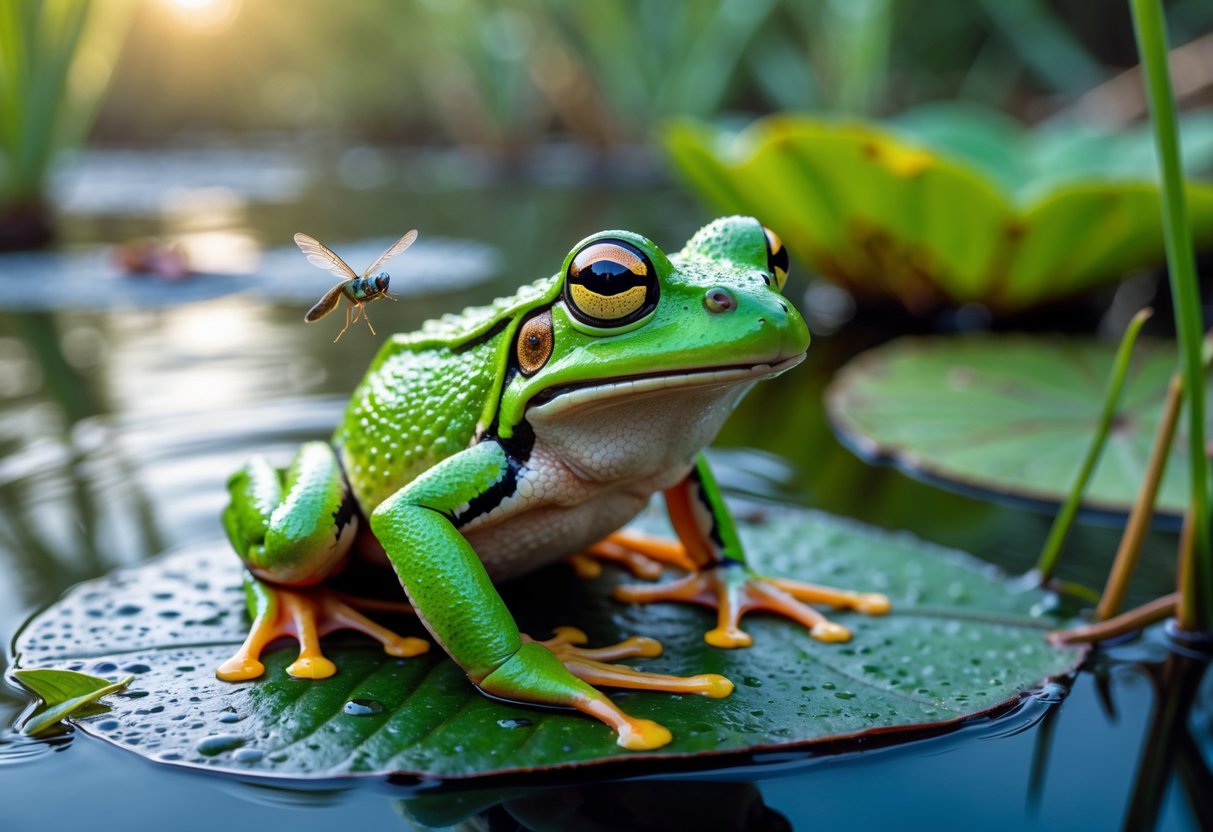
How much and how often you feed your frog depends on a few things—species, size, age, and the environment. When you know these details, you can feed your frog better and keep it in good shape.
Species, Age, and Size Differences in Feeding Frequency
Different frog species have their own eating routines. Smaller frogs, like poison dart frogs, need to eat several times a day since their metabolisms run fast and they burn energy quickly.
Bigger frogs, like bullfrogs, can wait longer between meals. Sometimes, they only eat every few days.
Young frogs eat more often because they need energy to grow. As frogs age, they slow down with meals.
Size plays a role too. Bigger frogs need more food, but that doesn’t always mean they eat more often.
For example:
- Small frogs: 2-3 times a day
- Medium frogs: once a day or every other day
- Large frogs: every 2-3 days
Adjust feeding based on these factors to help your frog thrive.
Environmental and Seasonal Factors Affecting Meals
Your frog’s environment really matters. Frogs in warm, humid places stay more active and usually eat more.
When it gets colder, their metabolism slows, so they don’t need to eat as often.
Seasonal changes can shake things up as well. Some frogs eat a lot in the warmer months when food’s everywhere.
During cooler times, they might eat less or even skip meals since they’re less active.
If your frog lives indoors, try to mimic natural cycles. Balanced temperature and humidity keep eating habits steady and support overall health.
Signs Your Frog Is Eating Enough
Watch your frog’s behavior and weight to see if it’s eating enough. Healthy frogs act alert and active during feeding times.
They’ll snap up their food without much hesitation.
Check your frog’s body, too. A healthy frog has a rounded belly—not bloated, just nicely filled out.
If your frog looks skinny, loses weight, or acts tired, it may need more food or a diet adjustment.
If your frog keeps refusing food, it could be a sign of stress or illness, not just a picky appetite. Keep an eye on feeding habits and adjust as needed for your frog’s health.
You can dive deeper into feeding habits and schedules at How Often Do Frogs Eat? – Feeding Patterns Explained.
What Do Frogs Eat?

Frogs need live food that moves to get them interested in hunting. Their diet mostly includes insects and small critters you can find or buy.
Feeding the right kind and size of prey keeps your frog happy and healthy.
Popular Live Prey for Frogs
Feed your frog live insects like crickets, flies, and grasshoppers. You can pick these up at most pet stores.
Mealworms and waxworms work as treats, but don’t overdo it—they’re pretty fatty.
Earthworms make a nutritious snack, and most frogs love them. Spiders can work too, but only offer them if your frog’s used to it, since some spiders could be harmful.
Always give moving prey. Frogs need that movement to recognize food.
Skip non-living food—frogs just won’t go for it.
Choosing Insects by Frog Size
Match the prey size to your frog’s mouth. Small frogs do best with fruit flies or tiny crickets.
Medium frogs can handle regular crickets or small worms.
If you’ve got a large frog, like an African bullfrog, you can offer bigger prey—large crickets, grasshoppers, or even small mice called “pinkies.” Just be careful; prey that’s too big can cause choking or digestion issues.
Here’s a quick guide:
| Frog Size | Suitable Prey |
|---|---|
| Small | Fruit flies, tiny crickets |
| Medium | Regular crickets, mealworms |
| Large | Large crickets, grasshoppers |
Safe Feeding Practices and Nutrition
Try to give your frog a mix of different insects. That way, you’re helping them get balanced nutrition.
Gut-loading works well—basically, you feed the insects healthy foods before your frog eats them. It’s a simple trick that really boosts your frog’s diet.
Skip wild-caught insects. They could have pesticides or parasites, and honestly, it’s just not worth the risk. Stick to live prey you’ve caught yourself or bought from the store.
Don’t overfeed. Let your frog eat for about 15–20 minutes, then take away whatever’s left. Too much food can lead to obesity or other health problems.
Sometimes, dust the insects with calcium powder. This keeps your frog’s bones strong, especially if you’ve got a young or growing frog.


