
Noticed frogs and toads bouncing around your yard and want them gone? It helps to know what actually scares these little guys away.
Frogs and other amphibians hate loud noises, bright lights, and dry spots. If you tweak these things—maybe set up barriers, cut down on moisture, or use some natural repellents—you’ll find frogs and toads don’t stick around as much.
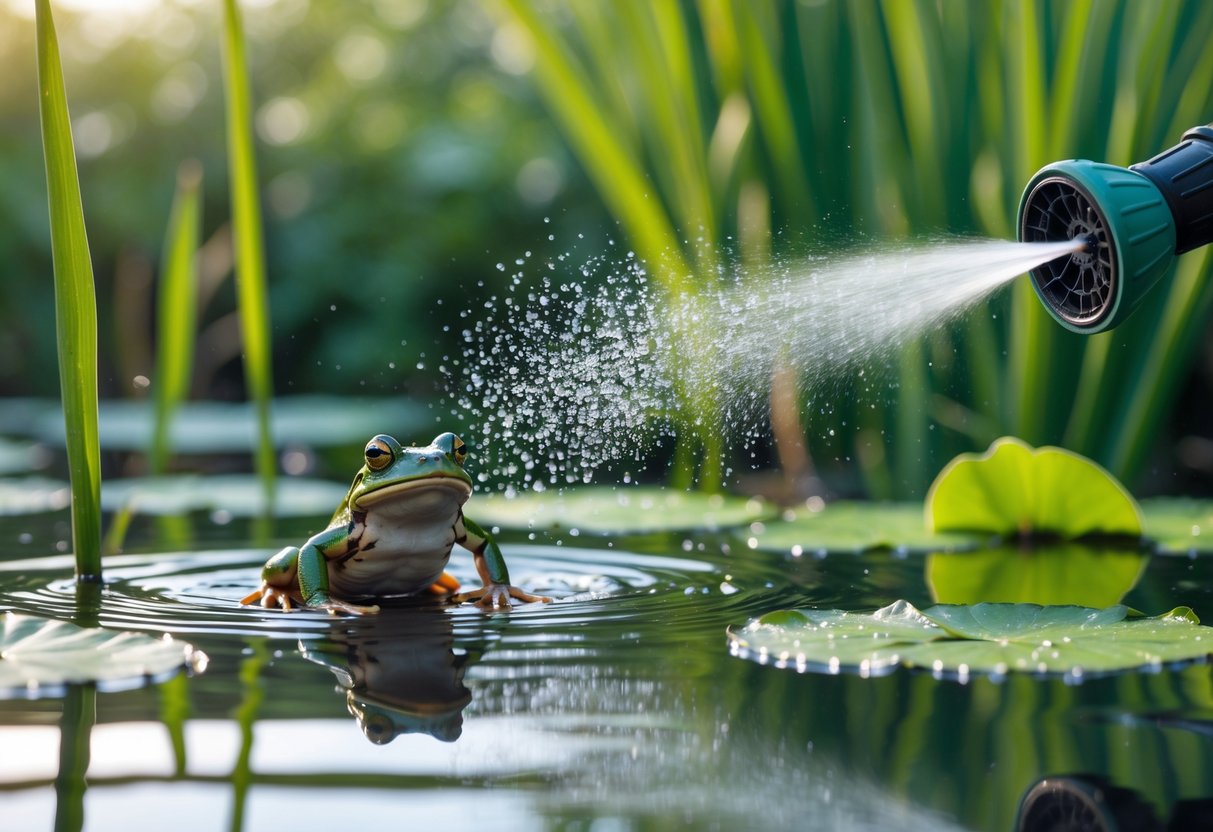
Birds, snakes, and small mammals eat frogs, so if you make your yard a bit friendlier for these predators, you might see fewer frogs. Try clearing out piles of debris or those damp corners where frogs like to hide—suddenly your space isn’t so cozy for them.
Once you understand why frogs and toads avoid certain places, you’ve got more control over their visits. Adjust your yard just a bit and you can keep these amphibians away without hurting them.
If you want more details and safe ideas, check out what scares frogs and toads away.
Most Effective Ways to Scare Frogs Away

You’ve got a few options if you want frogs out of your yard or garden. Some people go for natural scents, others put up barriers, and sometimes it’s just about changing your outdoor setup a bit.
Each approach works differently, so pick what feels right for you.
Natural Repellents and Scents
Frogs really don’t like certain smells. Using natural scents is an easy way to keep them away.
Citronella oil works well. Just spray some diluted citronella oil around your garden and you’ll keep frogs at bay without messing with your plants or pets.
Peppermint and rue are also good choices. You can plant rue near your pond or water feature, or mix peppermint oil with water and spray it around.
Vinegar spray helps too. Mix equal parts vinegar and water, then spray it where frogs like to hang out. Don’t spray it on your plants though—vinegar can hurt them.
If you use these natural repellents regularly, your yard won’t seem as appealing to frogs, and your garden stays safe.
Physical Barriers That Deter Frogs
Frogs can jump, so you need a barrier that’s tall and tight enough to stop them.
Try mesh netting or plastic fencing around ponds or garden beds. Don’t use chicken wire—frogs squeeze right through.
Bury the fence about a foot underground so frogs can’t dig underneath.
Seal up doors and windows to keep frogs from sneaking inside.
If you put rough or sharp-edged stuff near water, frogs will avoid it. They like smooth, damp places, so anything uncomfortable chases them off.
Environmental Changes to Discourage Amphibians
Frogs love damp places and easy food. If you control these things, they’ll move on.
Get rid of standing water—puddles, birdbaths, bowls, all of it.
If you have a pond, add a filter or fountain to keep the water moving. Stagnant water attracts more frogs.
Trim tall grass and bushes, and clear out piles of leaves, wood, or mulch. Frogs hide in clutter, so make it disappear.
Turn off outdoor lights at night to cut down on bugs. Fewer bugs means fewer frogs, since that’s what they’re after.
Some folks scatter cayenne pepper or chalk powder around the yard’s edges. It makes a dry, annoying border frogs don’t want to cross.
Making these changes helps your yard feel less like a frog hotel, and you’re not hurting anything in the process.
Want more ideas? Here’s how to keep frogs away.
Other Factors That Repel Frogs

A few other things make frogs leave. Some animals scare them off, and sometimes chemicals or invasive species drive them away.
Knowing about these can help you keep frogs out for good.
Common Predators and Threats
Frogs avoid spots where they see predators like snakes, cats, or lizards. These animals hunt frogs, so frogs just don’t feel safe.
If your cat roams the yard, it might help keep frogs away naturally.
Some predators go after toads too, since they often share the same places as frogs. Just be careful—some frogs and toads are poisonous.
Brightly colored frogs usually mean toxins, so you definitely don’t want your pets chasing those.
You could also try fake frogs. Big, realistic models trick the real ones into thinking a predator’s nearby.
It’s an easy way to keep frogs out without hurting them.
Impact of Chemical Repellents and Invasive Species
Some chemical repellents really bother frogs and make them leave. People often use vinegar sprays or diluted lemon juice—both are non-toxic and irritate frogs without hurting plants.
Harsh pesticides or herbicides pollute the environment and drive frogs away. These chemicals hurt wildlife, so honestly, it’s better to stick with safer options.
Invasive species like Cane Toads shove native frogs out by hogging space and resources. These big toads get aggressive and, to make things worse, can be poisonous—definitely a problem in certain places.
If you keep your yard clean and dry, and you get rid of invasive toads, you’ll probably see fewer frogs hanging around. Mixing safe repellents with some effort to control invasives usually works better than just one approach.
If you want more tips, check out what scares frogs away on this page about natural repellents and predator advice.


