
Sugar isn’t great for frogs—let’s just say their bodies really can’t handle it. Frogs lack the enzymes to break down sugar like humans do, and that can cause some serious problems for their kidneys and liver.
If you feed frogs sugar or anything sugary, you’re putting their health at risk. It’s best to avoid it entirely if you want to keep them safe and healthy.
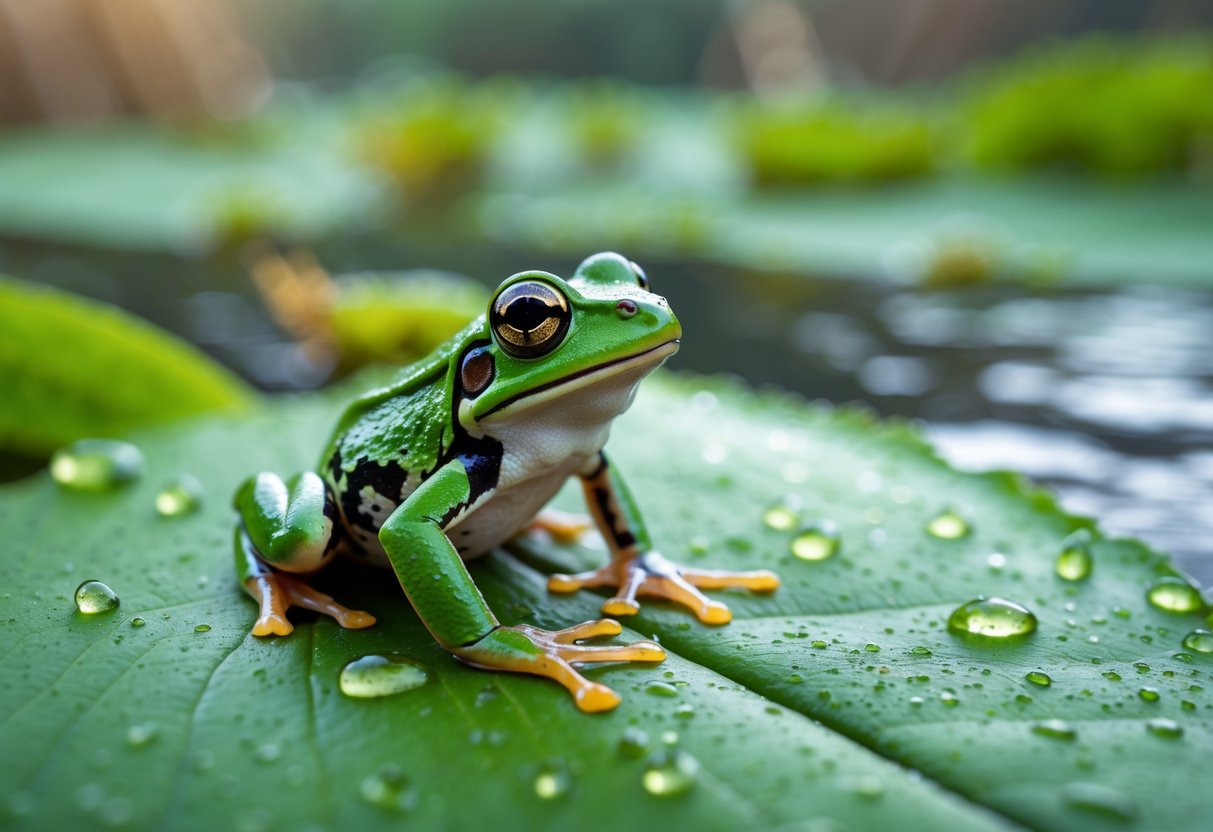
If you’re taking care of frogs, you need to know that sugar can totally mess with their natural diet and digestive system.
Even a small amount of sugar can stress their organs. It weakens their immune system too, making them easier targets for illness.
When you understand how sugar affects frogs, you can make better choices about what to feed them.
A frog’s health really depends on sticking to a diet that’s close to what they’d get in the wild. Live insects and other small critters are their main food sources.
Keeping their diet natural helps them stay energetic and healthy—way better than risking it with sugary stuff.
If you’re curious about what frogs should and shouldn’t eat, there’s a handy guide to frog diets you can check out.
How Frogs Use Sugar for Survival
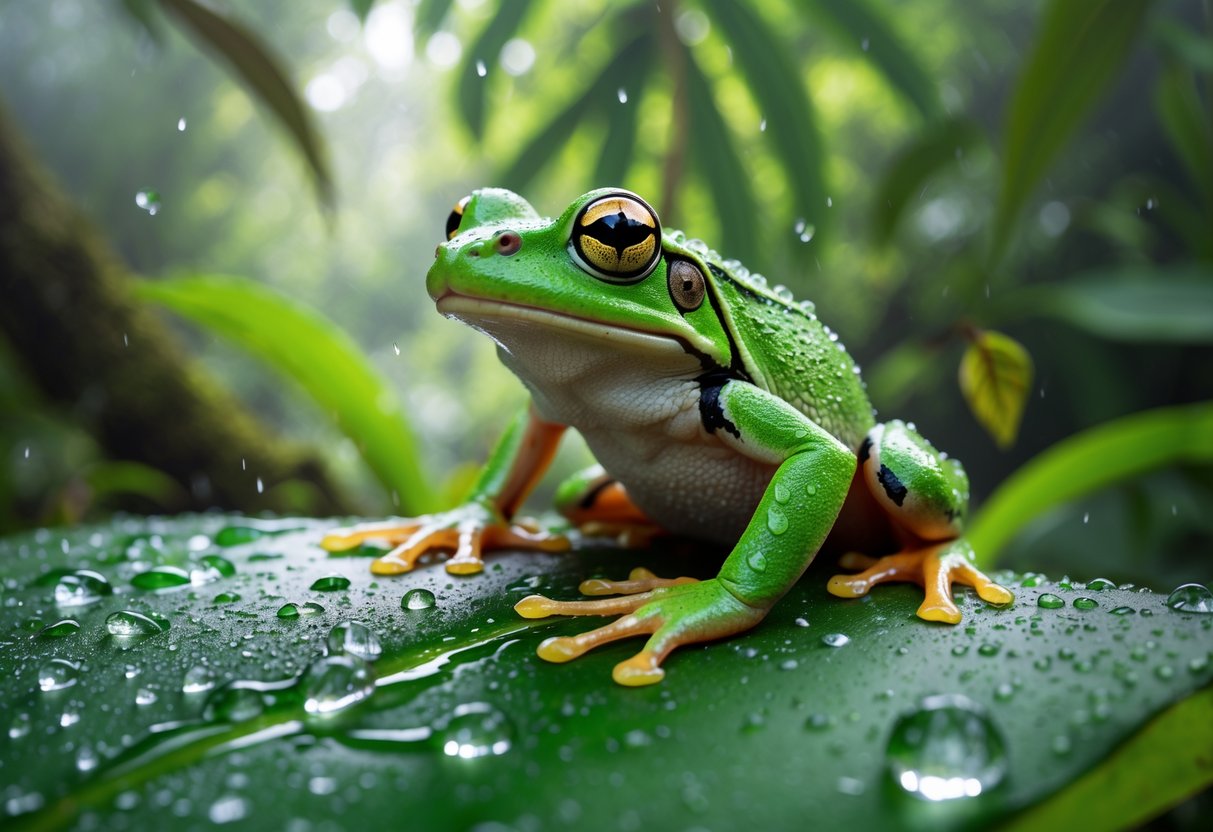
Some frog species actually use sugar in pretty surprising ways to survive harsh conditions.
Inside their bodies, sugar acts like a shield. It helps stop damage when water freezes around them.
This process protects their cells and lets them stay alive, even when temperatures get way below freezing.
Glucose and Freeze Tolerance in Wood Frogs
Wood frogs have this wild trick for surviving in the cold. When the temperature drops, they pump glucose—a type of sugar—into their blood.
That glucose works like antifreeze, stopping the water inside their cells from freezing up.
Water outside their cells might freeze, but the glucose inside keeps things safe by lowering the freezing point.
Wood frogs can survive even if up to 65% of their body water turns to ice. That’s pretty amazing and makes them one of the only amphibians that can handle winter freeze and thaw cycles.
Cryoprotection: Protecting Cells With Sugar
Sugar isn’t just a sweet treat for frogs—it serves as a cryoprotectant. That means it protects their cells from damage caused by ice crystals.
Ice crystals can poke holes in cell membranes and kill the cells, which sounds pretty brutal.
By raising their sugar levels, frogs create a syrupy solution inside their cells. This thick liquid helps prevent the cells from bursting or shrinking during freezing.
Sugar also helps keep fluids and ions balanced. That keeps the frog’s cells healthy through all the freezing and thawing.
Natural vs. Laboratory Conditions for Sugar Accumulation
Scientists have noticed that wild wood frogs make a lot more glucose than frogs frozen in lab experiments.
That extra sugar helps them survive deeper and longer freezes in nature.
In the wild, wood frogs slowly build up glucose as it gets colder, so they’re ready when the freeze hits.
Lab conditions don’t really allow for that slow buildup. Researchers are still figuring out how to use frog sugar strategies for things like organ storage in humans.
If you want to dig deeper, check out how wood frogs stock up on glucose to survive the cold at the Alaska frogs stock up on glucose to survive extreme cold page.
Sugar in the Frog Diet and Nutrition
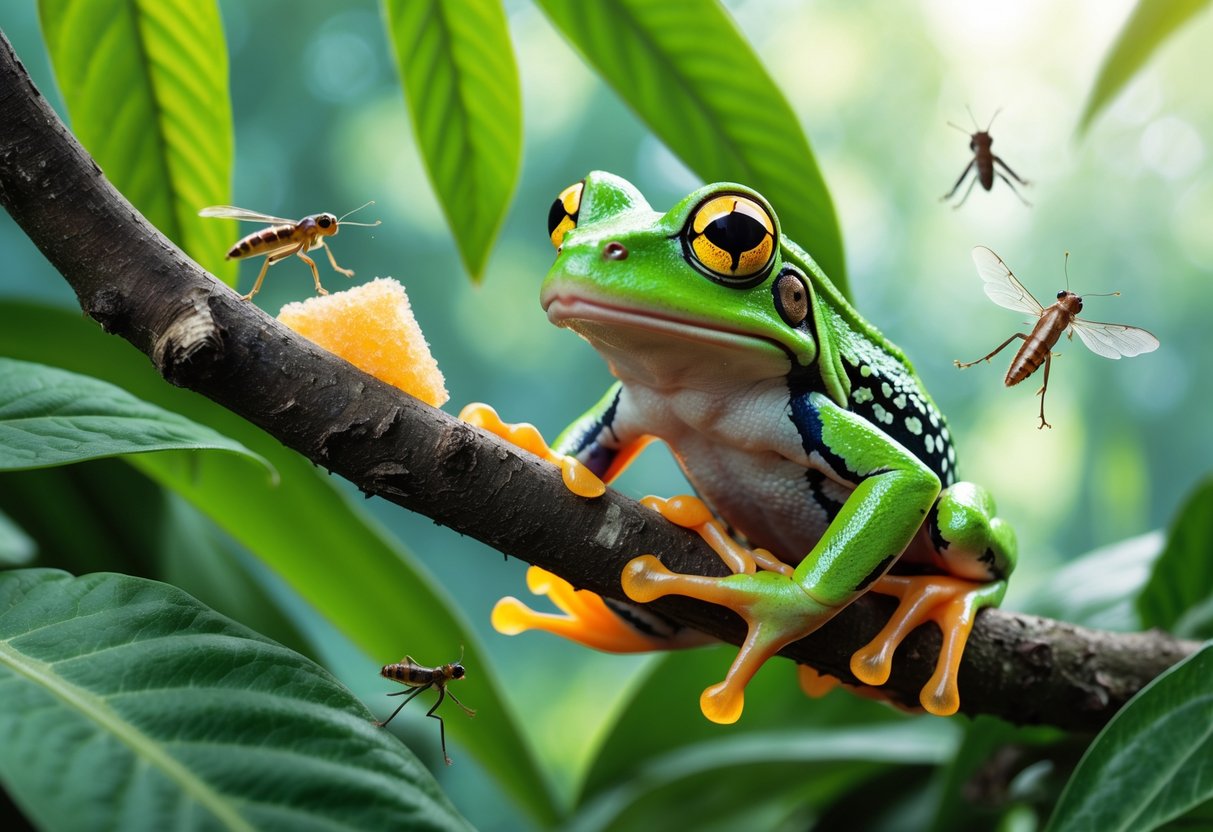
Frogs process sugar differently depending on their life stage and what they eat.
Tadpoles and adult frogs don’t digest carbs the same way. You really need to know these differences if you want your frog to stay healthy.
Understanding the Frog Digestive System
Frogs have pretty simple digestive systems that work best with proteins and fats from live prey.
They just aren’t built to handle lots of sugar or complex carbs. Unlike mammals, frogs barely produce the enzymes needed to break down sugars.
Too much sugar in their diet can cause digestive problems and poor health. Frogs get most of their energy from eating insects and worms.
Giving them sugary human foods or sweet fruits just doesn’t work for most frog species.
Tadpoles: Herbivory, Algae, and Sugar Intake
Tadpoles start out as herbivores. They munch on algae, plants, and detritus, which have natural sugars and carbs.
Their digestive systems can handle some sugar from these sources because algae have simple carbs and fiber.
This plant-based diet helps them grow, but too much sugar can still mess up their development.
Feed tadpoles algae wafers or aquatic frog food that matches what they’d eat in the wild.
Skip the sugary treats and avoid foods with artificial sweeteners—they can do more harm than good.
Adult Frogs: Carnivorous Diet and Carbohydrate Needs
Adult frogs mostly eat a carnivorous diet. They go after live insects like crickets, worms, and roaches.
These bugs pack in protein and fats, but honestly, there’s barely any sugar or carbs in them. Frogs don’t really need extra sugar in their meals.
If you feed them sugary or processed foods, you might end up with a chubby frog or some weird metabolic issues. It’s just not worth the risk.
Stick with gut-loaded insects that have a good balance of nutrients. That’s what keeps frogs healthy.
Some tree frogs and aquatic types might nibble on fruit or nectar, but only in the wild and just a little bit. Natural prey should always come first if you want your frog to thrive.
Curious about the details? Check out this guide on the diet of pet frogs.


